Introduction
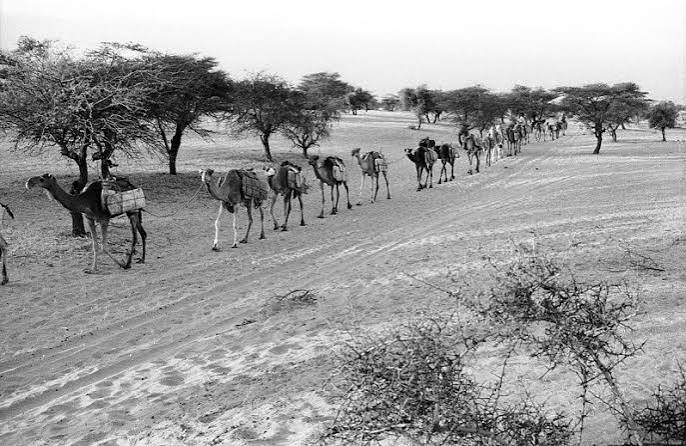
Long before the construction of modern highways and railways, the Yoruba had developed an extensive network of roads and trade routes that linked towns, kingdoms, forests, rivers, and distant markets across West Africa. These routes were far more than simple footpaths. They served as arteries of commerce, diplomacy, culture, religion, and political influence, enabling the movement of people, goods, and ideas across Yorubaland and beyond.
From the sacred city of Ile-Ife to the imperial capital of the Old Oyo Empire, and from the commercial centres of Ijebu Ode to the ports along the Atlantic coast, these ancient roads helped shape one of Africa's most dynamic pre-colonial civilisations.
Why Roads Were Important
Roads were essential to the economic and political life of Yorubaland.
They enabled:
* Regional and long-distance trade. * Communication between kingdoms. * Diplomatic visits. * Religious pilgrimages. * Military campaigns. * Migration and settlement. * Cultural exchange.
Without these interconnected routes, the growth of Yoruba cities and kingdoms would have been far more difficult.
The Major Trade Centres
Several Yoruba cities became major hubs within the trade network.
Among the most important were:
* Ile-Ife – a religious, artistic, and political centre. * Old Oyo Empire – capital of a powerful empire and gateway to northern trade. * Ijebu Ode – a commercial city controlling routes to the coast. * Owo – an important link between Yorubaland and the Benin Kingdom. * Ilesa – a centre for gold, agriculture, and regional commerce. * Ibadan – a nineteenth-century military and commercial hub.
These cities were connected by roads that supported the movement of merchants, officials, and travellers.
Roads Linking the Yoruba Kingdoms
The road network linked numerous kingdoms and communities.
Important connections included routes between:
* Ile-Ife and Ijesaland. * Ile-Ife and Oyo. * Oyo and Ijebu. * Owo and Benin. * Ekiti and Akure. * Abeokuta and Ibadan. * Coastal settlements and inland markets.
These routes were maintained through continuous use and often passed through forests, valleys, rivers, and open savannah.
Trade Goods That Travelled the Roads
The roads carried a wide variety of products.
Common trade goods included:
* Kola nuts. * Cloth and woven textiles. * Indigo-dyed fabrics. * Iron tools and weapons. * Pottery. * Palm oil. * Salt. * Livestock. * Beads. * Ivory. * Agricultural produce.
Different regions specialised in particular products, encouraging regular exchange between communities.
Long-Distance Trade Beyond Yorubaland
Yoruba trade routes extended beyond the boundaries of Yorubaland.
Merchants traded with:
* The Benin Kingdom to the east. * Nupe communities to the north. * Hausa trading centres further north. * Borgu and other neighbouring regions. * Atlantic coastal ports to the south.
Through these connections, Yoruba traders gained access to imported goods while exporting locally produced crafts and agricultural products.
Markets Along the Trade Routes
Markets were strategically located along major roads and often operated according to local market cycles.
These markets served as places where people exchanged:
* Goods. * News. * Political information. * Marriage arrangements. * Religious ideas. * Cultural traditions.
Many grew into permanent towns because of the steady flow of travellers and merchants.
Security and the Protection of Trade
Protecting trade routes was a priority for many Yoruba kingdoms.
Kings and chiefs often:
* Maintained secure roads. * Resolved disputes between merchants. * Collected tolls or customs duties. * Protected markets from attack. * Negotiated safe passage with neighbouring states.
In some regions, military escorts accompanied caravans carrying valuable goods.
Cultural Exchange Along the Roads
The road network spread far more than commercial goods.
It also facilitated the exchange of:
* Language and dialects. * Religious beliefs. * Artistic styles. * Music and dance. * Oral traditions. * Political ideas. * Technological knowledge.
These interactions helped maintain a shared Yoruba cultural identity while allowing local traditions to flourish.
Archaeological and Historical Evidence
Although ancient roads themselves rarely survive in visible form, historians have reconstructed trade networks using:
* Archaeological discoveries. * Distribution of pottery styles. * Glass beads. * Metal artefacts. * Oral traditions. * Early travellers' accounts.
These sources reveal extensive interaction between Yoruba cities and neighbouring regions over many centuries.
Legacy of the Ancient Road Network
Many modern roads in south-western Nigeria follow routes that have been used for generations.
Likewise, several historic market towns continue to serve as commercial centres, preserving a legacy that stretches back to the pre-colonial era.
The ancient road network reminds us that Yorubaland was never isolated. Instead, it was connected through well-established systems of movement that supported economic prosperity, political cooperation, and cultural exchange.
Conclusion
The ancient roads and trade routes of Yorubaland formed the lifeblood of one of Africa's most vibrant pre-colonial civilisations. They linked great cities such as Ile-Ife, Old Oyo Empire, Ijebu Ode, and Owo, allowing merchants, rulers, pilgrims, artisans, and travellers to exchange goods, ideas, and traditions across vast distances.
These routes did more than support commerce. They strengthened political alliances, encouraged cultural unity, and connected the Yoruba with neighbouring peoples throughout West Africa. Their enduring legacy can still be seen in the locations of modern towns, historic markets, and transportation corridors, demonstrating that the foundations of Yoruba connectivity were established centuries before colonial rule.