Introduction
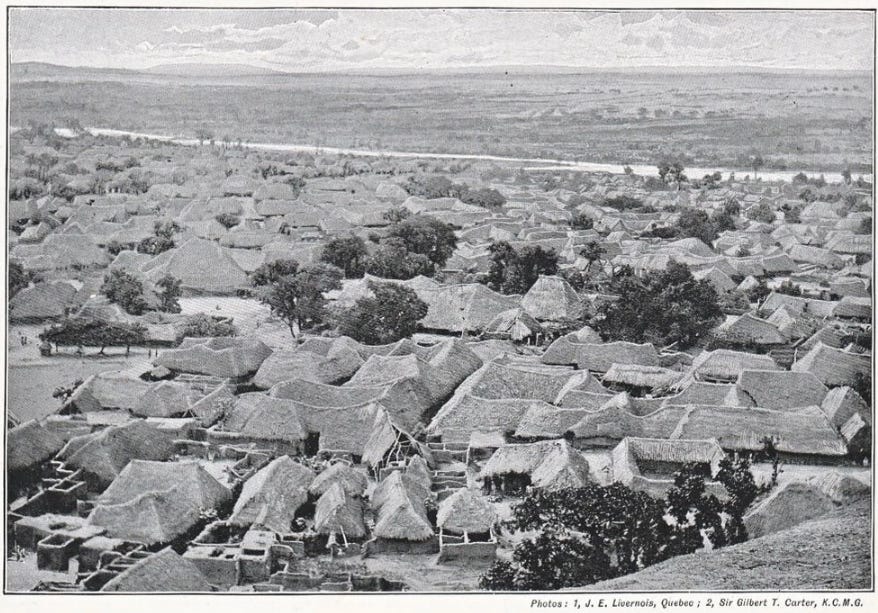
Long before the arrival of European colonial rule in the nineteenth century, the Yoruba had established some of the largest, most organised, and culturally sophisticated cities in West Africa. These cities were centres of government, commerce, religion, craftsmanship, diplomacy, and learning. Many had well-defined political institutions, thriving markets, impressive earthworks, and extensive trade networks that connected them with neighbouring regions and, in some cases, distant parts of Africa.
Although colonialism reshaped many aspects of Yoruba society, it did not create Yoruba urban civilisation. The foundations of many modern towns and cities had already been laid centuries earlier.
Here are some of the most important ancient Yoruba cities that flourished before colonial rule.
1. Ilé-Ifẹ̀ – The Spiritual Heart of the Yoruba
Ile-Ife is regarded in Yoruba tradition as the cradle of Yoruba civilisation and the ancestral home of many Yoruba kingdoms.
Archaeological discoveries reveal that Ife was already a major urban centre by the 11th century, known for:
* Extraordinary bronze and terracotta sculptures. * Glass bead production at Igbo Olokun. * Ironworking. * Religious institutions. * Royal administration.
Its influence extended far beyond Yorubaland and continues to shape Yoruba identity today.
2. Old Oyo – Capital of an Empire
The Old Oyo Empire was one of the largest and most powerful states in pre-colonial West Africa.
Its capital, commonly known as Old Oyo (Oyo-Ile), featured:
* A highly organised government. * The palace of the Alaafin. * Military barracks. * Large markets. * Extensive defensive earthworks.
From this city, Oyo expanded its influence across much of present-day south-western Nigeria and beyond.
3. Ìjẹ̀bú-Òde – The Great Commercial City
Ijebu Ode was the capital of the Ijebu Kingdom and one of Yorubaland's leading commercial centres.
The city prospered because it:
* Controlled trade routes to the coast. * Collected customs duties. * Hosted vibrant markets. * Maintained strong diplomatic ties.
Its wealth made it one of the most influential cities in southern Yorubaland.
4. Ọ̀yọ́-Ile
Often referred to simply as Oyo-Ile, this ancient city served as the original seat of the Alaafin before the empire's decline.
Today, archaeological remains reveal:
* Palace foundations. * Defensive walls. * Ancient roads. * Residential quarters.
These remains provide valuable insights into the organisation of one of Africa's great pre-colonial capitals.
5. Ìjẹ̀ṣà (Ìlẹ̀ṣà)
Ilesa became the capital of the Ijẹ̀ṣà Kingdom.
The city was known for:
* Gold resources. * Agriculture. * Trade. * Strong traditional institutions. * The authority of the Owa Obokun.
It also played an important role during the nineteenth-century Yoruba wars.
6. Ọ̀wọ̀
Owo occupied a strategic position between Yorubaland and the Kingdom of Benin.
The city became famous for:
* Exceptional ivory carvings. * Bronze artworks. * Trade. * Royal traditions. * Distinctive architecture.
Archaeological discoveries demonstrate Owo's long history as a prosperous cultural centre.
7. Akúrẹ́
Akure traces its origins to the migration of Asodeboyede from Ile-Ife.
Before colonial rule, Akure had developed:
* A respected monarchy. * Agricultural prosperity. * Regional trade. * Skilled craftsmanship.
Its strategic location contributed to its long-term growth.
8. Ondo
Ondo emerged as the capital of the Ondo Kingdom.
Founded according to tradition by Pupupu, the city became known for:
* Stable governance. * Rich agricultural production. * Vibrant festivals. * Strong royal institutions.
9. Abẹ́òkúta
Although founded in the nineteenth century, Abeokuta predates British colonial rule.
Established by the Egba as a refuge from warfare, the city rapidly became:
* A military stronghold. * A commercial centre. * A centre of Christian missions. * A symbol of Yoruba resilience.
Its location around Olumo Rock offered natural protection.
10. Ìbàdàn
Founded around 1829, Ibadan grew into one of the largest cities in tropical Africa before colonial rule.
Its importance came from:
* Military organisation. * Regional commerce. * Political influence. * Agricultural production.
By the late nineteenth century, Ibadan had become one of the dominant powers in Yorubaland.
Shared Characteristics of Ancient Yoruba Cities
Despite their differences, these cities shared several common features:
* Strong monarchies and councils of chiefs. * Large open markets. * Religious shrines and sacred groves. * Skilled artisans and craftsmen. * Agricultural economies supported by trade. * Well-developed systems of customary law. * Rich oral traditions and festivals.
Many also had defensive walls, moats, or natural features that protected their inhabitants.
Legacy of Pre-Colonial Yoruba Urban Civilisation
The survival of many of these cities into the present day demonstrates the durability of Yoruba civilisation. Their royal institutions, festivals, markets, and cultural practices continue to thrive, linking modern communities with centuries of history.
Archaeological research, oral traditions, and historical records all point to the Yoruba as one of Africa's most urbanised peoples before colonial rule. These cities were not isolated settlements but vibrant centres of innovation, governance, religion, and commerce that contributed significantly to the history of West Africa.
Conclusion
The ancient cities of the Yoruba stand as enduring monuments to one of Africa's most sophisticated pre-colonial civilisations. From the sacred city of Ile-Ife and the imperial capital of the Old Oyo Empire to the commercial strength of Ijebu Ode, the artistic traditions of Owo, and the military prominence of Ibadan, these urban centres shaped the political, economic, and cultural landscape of West Africa long before colonial rule.
Their histories remind us that Yoruba civilisation was built upon centuries of indigenous innovation, organised governance, artistic excellence, and thriving trade. Today, these cities remain living custodians of that remarkable legacy, preserving traditions that continue to inspire pride across Yorubaland and the African diaspora.