Introduction
Long before the arrival of European colonial rule, the Yoruba had developed sophisticated systems of governance that balanced the authority of kings with the wisdom of councils, respected elders, community leaders, and various social institutions. Although these systems were not democracies in the modern sense of universal voting, they embodied many principles that today are associated with democratic governance, including consultation, accountability, checks on power, and community participation.
Across kingdoms such as Old Oyo Empire, Ile-Ife, Ijebu Kingdom, and Egba Kingdom, rulers were expected to govern with justice, seek advice from experienced leaders, and uphold the welfare of their people. A king who ignored these principles could face serious consequences, including removal from office.
These traditions reveal that political accountability and shared governance have deep roots in Yoruba civilisation.
The Oba Was Powerful, but Not Absolute
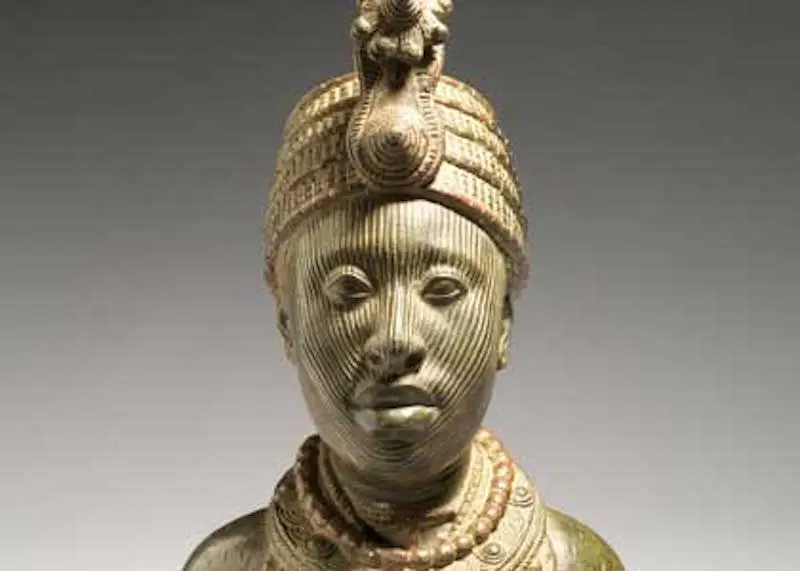
The Oba, or king, served as the political and spiritual head of the kingdom. He was responsible for maintaining peace, administering justice, protecting the people, and preserving tradition.
However, the Oba was not an absolute ruler.
His authority was balanced by:
* Councils of chiefs. * Senior advisers. * Religious leaders. * Influential family heads. * Age-grade associations. * Guilds and community representatives.
Important decisions were rarely made by the king alone. Consultation was regarded as a sign of wisdom rather than weakness.
The Principle of Collective Leadership
One of the defining features of Yoruba governance was collective leadership.
Rather than concentrating all authority in a single individual, governance relied on institutions that represented different sections of society.
Councils advised the ruler on matters such as:
* Security. * Taxation. * Trade. * Justice. * Diplomacy. * Religious observances. * Succession.
Debate and discussion were encouraged before major decisions were taken.
This approach reflected the Yoruba belief that wisdom is strengthened through consultation.
The Oyo Mesi: A Check on Royal Power
Perhaps the best-known example of political accountability in Yorubaland was the Oyo Mesi, the council of senior chiefs in the Old Oyo Empire.
Led by the Basọ̀run, the Oyo Mesi advised the Alaafin on important matters of state.
Their responsibilities included:
* Advising the king. * Approving major policies. * Supervising aspects of governance. * Safeguarding constitutional traditions. * Preventing abuse of power.
If an Alaafin persistently ruled unjustly or lost the confidence of the council, the Oyo Mesi could begin the process that required the ruler to abdicate. This powerful constitutional mechanism demonstrated that even the king was expected to remain accountable to established institutions.
The Ògbóni Society and Justice
In many Yoruba communities, the Ògbóni society played an important civic and judicial role.
Although its functions varied from one kingdom to another, it generally:
* Promoted justice. * Preserved customary law. * Helped resolve disputes. * Advised rulers. * Protected constitutional traditions.
Membership usually consisted of respected elders recognised for their wisdom, integrity, and knowledge of tradition.
The Ògbóni acted as one of several institutions that helped maintain balance within society.
Community Participation
Governance in Yoruba society extended beyond the palace.
Communities participated through:
* Family heads. * Village elders. * Market associations. * Occupational guilds. * Women's organisations. * Youth and age-grade groups.
These bodies represented the interests of their members and could influence decisions affecting the wider community.
In many towns, disputes were first settled at the family or neighbourhood level before reaching higher authorities.
This encouraged local participation and strengthened communal responsibility.
The Important Role of Women
Women also held recognised positions within Yoruba political life.
One of the most influential offices was that of the Ìyálóde, a title often given to a distinguished woman who represented the interests of women in public affairs.
The Ìyálóde could:
* Advise the ruler. * Participate in important deliberations. * Represent women's economic interests. * Mediate disputes. * Influence public policy.
Powerful female traders and community leaders often exercised considerable political influence, demonstrating that governance was not exclusively the domain of men.
Justice and the Rule of Law
Justice occupied a central place in Yoruba governance.
Customary law sought to:
* Resolve disputes fairly. * Protect vulnerable members of society. * Restore harmony within the community. * Punish wrongdoing appropriately.
Judges, chiefs, and elders were expected to act impartially, and decisions often drew upon established customs, moral principles, and collective wisdom.
The ultimate aim was not simply punishment but the restoration of social balance.
Leadership Was a Moral Responsibility
Yoruba political philosophy regarded leadership as a sacred trust.
A good ruler was expected to demonstrate:
* Honesty. * Courage. * Humility. * Generosity. * Wisdom. * Respect for tradition.
A king who governed selfishly, neglected his people, or ignored wise counsel risked losing legitimacy.
This expectation was reinforced through proverbs, praise poetry (oríkì), and oral traditions that celebrated just rulers while criticising oppressive ones.
Lessons for Modern Governance
Many principles found in ancient Yoruba governance continue to resonate today.
These include:
* Accountability in leadership. * Consultation before decision-making. * Respect for the rule of law. * Community participation. * Institutional checks and balances. * Ethical public service.
Although contemporary democratic systems differ significantly from pre-colonial political structures, historians often point to these traditions as evidence that African societies developed sophisticated systems of governance long before colonial rule.
Conclusion
Ancient Yoruba governance was founded on the belief that power should be exercised with wisdom, justice, and accountability. Kings were respected as custodians of the kingdom, but they were expected to govern in consultation with councils, chiefs, elders, and community representatives. Institutions such as the Oyo Mesi, the Ògbóni society, and the office of the Ìyálóde ensured that authority was balanced by responsibility and that no individual stood above the interests of the community.
While these systems were different from modern electoral democracies, they reflected many principles that remain central to good governance today: consultation, accountability, the rule of law, and service to the people. Far from being politically simplistic, ancient Yoruba civilisation developed a rich and enduring tradition of governance that continues to offer valuable insights into leadership, justice, and the responsibilities of public office.