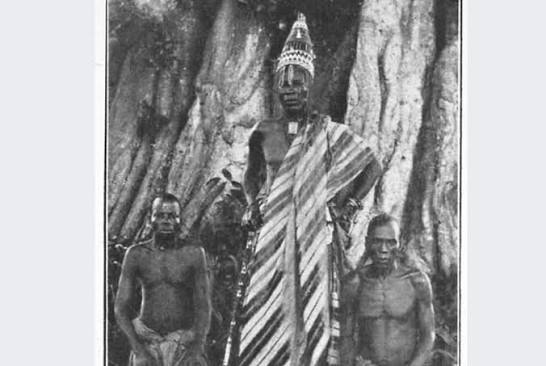
Introduction
Diplomacy played a vital role in the growth and stability of ancient Yoruba civilisation. While warfare has often received greater attention in historical accounts, peaceful relations between kingdoms were equally important in shaping the political landscape of Yorubaland and the wider West African region. Through diplomacy, Yoruba rulers built alliances, encouraged trade, settled disputes, exchanged cultural ideas, and strengthened ties with neighbouring states.
Rather than relying solely on military power, many Yoruba kingdoms used negotiation, mutual respect, and carefully maintained relationships to protect their interests. These diplomatic traditions demonstrate the sophistication of Yoruba political institutions and their understanding of the importance of cooperation alongside competition.
The Political Landscape of Yorubaland
Ancient Yorubaland was made up of numerous independent kingdoms, including:
* Ile-Ife * Oyo * Ijebu Ode * Owo * Ilesa * Akure
Although politically independent, these kingdoms shared many cultural traditions, making diplomacy an effective means of maintaining peaceful relations.
Why Diplomacy Was Important
Diplomatic relations helped kingdoms to:
* Maintain peace. * Protect trade routes. * Resolve territorial disputes. * Form military alliances. * Exchange information. * Strengthen economic cooperation. * Promote cultural interaction.
Successful diplomacy often prevented conflicts that could disrupt trade and threaten the wellbeing of communities.
Royal Envoys and Messengers
Kings rarely conducted negotiations personally.
Instead, they appointed trusted envoys who:
* Delivered official messages. * Negotiated agreements. * Carried diplomatic gifts. * Represented the honour of their kingdom. * Maintained communication between rulers.
These representatives were expected to possess wisdom, integrity, and excellent knowledge of diplomatic customs.
Marriage as Diplomacy
Royal marriages sometimes strengthened political relationships between ruling families.
Such marriages could:
* Build trust between kingdoms. * Reduce the likelihood of conflict. * Strengthen family ties among royal houses. * Encourage long-term cooperation.
While not every alliance was sealed through marriage, dynastic relationships often reinforced diplomatic connections.
Trade and Peaceful Relations
Trade and diplomacy worked hand in hand.
Peaceful relations enabled merchants to travel safely between kingdoms, exchanging goods such as:
* Kola nuts. * Salt. * Textiles. * Iron tools. * Beads. * Leather goods. * Agricultural produce.
Prosperous commerce benefited both rulers and local communities, giving kingdoms strong incentives to maintain peaceful relations.
Diplomacy Beyond Yorubaland
Yoruba diplomacy extended beyond neighbouring Yoruba states.
Historical evidence shows political and commercial interactions with neighbouring polities, including:
* The Benin Kingdom. * Nupe Kingdom. * The Hausa city-states. * Borgu communities.
These relationships varied over time, ranging from peaceful trade and diplomatic exchange to periods of rivalry and conflict.
Resolving Disputes Through Negotiation
Not every disagreement led to war.
Diplomatic negotiations were used to address issues such as:
* Border disputes. * Trade disagreements. * Succession questions. * Compensation for damages. * Prisoner exchanges. * Peace settlements after conflicts.
Negotiation often reduced the human and economic costs of prolonged warfare.
Gifts as Symbols of Friendship
Gift-giving formed an important part of diplomatic protocol.
Common diplomatic gifts included:
* Fine textiles. * Beads. * Horses. * Crafted artworks. * Food items. * Locally produced luxury goods.
These exchanges symbolised goodwill and mutual respect rather than commercial transactions.
Shared Festivals and Cultural Exchange
Festivals and ceremonial occasions also strengthened diplomatic ties.
Traditional rulers and their representatives visited neighbouring kingdoms to:
* Attend royal ceremonies. * Celebrate important festivals. * Exchange greetings. * Renew alliances. * Honour shared ancestry.
Such visits reinforced both political relationships and cultural unity among Yoruba communities.
Diplomacy During Times of War
Even during periods of conflict, diplomacy remained important.
Rulers negotiated:
* Temporary truces. * Military alliances. * Peace agreements. * Safe passage for envoys. * Terms for ending hostilities.
The nineteenth-century Yoruba wars, for example, involved not only battles but also repeated attempts at negotiation before lasting peace was eventually achieved.
The Legacy of Yoruba Diplomacy
The diplomatic traditions of ancient Yorubaland continue to influence traditional leadership today.
Modern Yoruba monarchs frequently:
* Promote peaceful coexistence. * Mediate community disputes. * Foster cultural cooperation. * Represent their communities at regional gatherings. * Preserve historic relationships between traditional institutions.
These practices reflect the enduring importance of dialogue and mutual respect in Yoruba political culture.
Conclusion
Ancient Yoruba diplomacy was a sophisticated system that enabled kingdoms to maintain peaceful relations, encourage trade, resolve disputes, and strengthen cultural ties. Through royal envoys, negotiated agreements, marriage alliances, ceremonial exchanges, and commercial cooperation, Yoruba rulers built lasting relationships with neighbouring kingdoms both within and beyond Yorubaland.
While warfare occasionally shaped regional history, diplomacy remained an equally powerful force in the development of Yoruba civilisation. Its emphasis on consultation, negotiation, and mutual respect helped create a network of interconnected kingdoms whose political traditions continue to inspire admiration as one of Africa's most enduring legacies.