Introduction
Hospitality has long been an important value in Yoruba society. Welcoming visitors, offering food and drink, showing respect to elders, and ensuring that guests feel comfortable are not simply acts of politeness. They are connected to deeper Yoruba ideas about ìwà, good character, community, respect, and social responsibility.
Traditionally, a visitor entering a Yoruba community was not regarded merely as a stranger. Depending on the circumstances, the visitor could become a temporary member of the household and was expected to receive care and protection. Hospitality therefore helped strengthen relationships between families, communities, traders, travellers, and neighbouring kingdoms.
The Yoruba Concept of Hospitality
Hospitality was closely connected with the idea of ìwà omolúàbí, the cultivation of good character.
A person was expected to demonstrate good character by treating visitors with:
* Respect. * Courtesy. * Generosity. * Patience. * Kindness. * Consideration.
How someone treated a guest could therefore reflect their upbringing and the reputation of their family.
The Importance of Greetings
A visitor's arrival traditionally began with greetings.
Children were taught to acknowledge guests respectfully, particularly when the visitor was older. Greetings could communicate:
* Respect. * Recognition. * Welcome. * Social awareness.
The manner of greeting depended on age, status, relationship, and the circumstances of the encounter.
Offering Food to Visitors
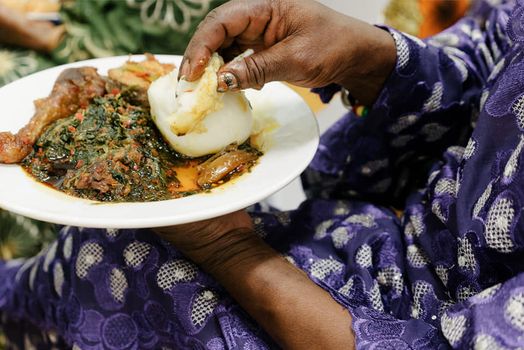
Food has always been one of the most visible expressions of Yoruba hospitality.
A guest might be offered whatever the household could reasonably provide, such as:
* Water. * Kola nuts. * Fruits. * Cooked meals. * Snacks or local delicacies.
Offering food demonstrated generosity and communicated that the visitor's wellbeing mattered.
Hospitality did not necessarily depend on wealth. Sharing what was available was itself considered meaningful.
Water as a Gesture of Welcome
Water held particular importance in traditional hospitality.
A traveller arriving after a long journey could be offered drinking water before other refreshments. In communities where travel was largely on foot, this simple gesture could provide genuine relief.
The act also expressed a fundamental principle: a guest should be made comfortable before business or conversation begins.
Kola Nut and Social Bonding
Kola nut has a particularly important place in Yoruba social customs.
Presenting kola nut can symbolise:
* Welcome. * Friendship. * Peace. * Respect. * Blessings. * Community unity.
In formal gatherings, elders may lead the process of presenting and praying over kola nut before it is shared.
The precise ritual varies between communities and families.
Respect for the Visitor
Traditionally, guests were expected to receive a certain level of respect regardless of their wealth.
Hosts could ask about:
* The visitor's journey. * Their health. * Their family. * Where they had travelled from. * The purpose of their visit.
This allowed the host to understand the visitor's needs and determine how best to assist them.
Accommodation for Travellers
In traditional communities, travellers sometimes depended on the generosity of households for accommodation.
A visitor who arrived late or needed to remain in the community could be offered a place to rest. Extended family compounds made this easier because several households could share responsibility for hosting guests.
Hospitality was particularly important in communities connected by long-distance trade and travel.
Hospitality and Trade
Hospitality played an important role in commercial relationships.
Merchants travelling between communities needed:
* Safe accommodation. * Food. * Local information. * Trusted contacts. * Assistance navigating unfamiliar markets.
A reputation for welcoming travellers could therefore contribute to a community's commercial importance.
Royal Hospitality
Hospitality also operated at the highest levels of Yoruba political life.
When rulers received visiting monarchs, chiefs, or diplomatic representatives, hospitality became part of formal diplomacy.
Royal receptions could involve:
* Greetings. * Gifts. * Food and drink. * Music and drumming. * Praise poetry. * Ceremonial discussions.
Such occasions reinforced political relationships and demonstrated the generosity and prestige of the host kingdom.
Hospitality During Festivals
Festivals provided opportunities for communities to welcome large numbers of visitors.
Relatives and friends could travel from distant places to participate in celebrations. Hosts often prepared food, organised accommodation, and introduced visitors to local customs.
Festivals therefore strengthened relationships between communities and helped preserve cultural traditions.
The Role of Children
Children were taught hospitality through everyday experience.
They might learn to:
* Greet visitors. * Offer water. * Help serve food. * Give up a comfortable seat to an elder. * Listen respectfully when adults were speaking. * Assist guests with simple needs.
These practices taught children that hospitality was part of good character rather than simply a ceremonial obligation.
Hospitality and Proverbs
Yoruba oral tradition contains many proverbs and expressions emphasising generosity, human relationships, and the importance of treating others well.
Such sayings were used to teach younger generations that one's reputation was shaped by how one behaved towards other people.
Hospitality was therefore connected to the broader Yoruba ideal of ìwà: character and moral conduct.
Hospitality and Community Identity
Hospitality strengthened social networks within and between communities.
Visitors could become:
* Friends. * Business partners. * In-laws. * Political allies. * Trusted community contacts.
Repeated acts of generosity created relationships that could last for generations.
Hospitality in Modern Yoruba Society
Modern lifestyles have changed how hospitality is practised, particularly in large cities where people may live in smaller households and have less time for extended visits.
Nevertheless, many customs remain familiar:
* Greeting visitors warmly. * Offering food and drinks. * Showing respect to elders. * Hosting relatives during celebrations. * Sharing meals with guests. * Welcoming visitors during festivals and ceremonies.
These practices continue to connect modern Yoruba families with older traditions.
Conclusion
Hospitality among the Yoruba has traditionally been much more than good manners. It has been an expression of ìwà, generosity, respect, and community responsibility.
From offering a traveller water to sharing kola nut, preparing food, providing accommodation, or welcoming a visiting monarch, these customs helped build relationships between individuals, families, communities, and kingdoms.
The enduring importance of Yoruba hospitality lies in a simple principle: how we receive and treat others reveals the character of the people we are. That principle continues to shape Yoruba family life and social relationships today.