Introduction
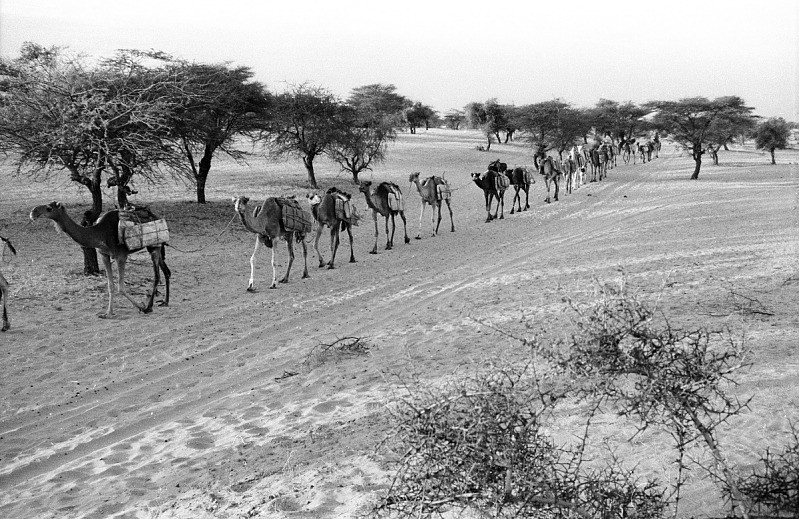
Trade has always been one of the driving forces behind the growth of civilisation, and the Yoruba were no exception. Long before European contact, communities across Yorubaland were linked by an extensive network of trade routes that connected towns, kingdoms, forests, rivers, and distant regions of West Africa.
These routes carried much more than goods. They facilitated the exchange of ideas, technologies, artistic styles, religious practices, and political influence. Through commerce, Yoruba settlements grew into thriving towns, powerful kingdoms emerged, and a sophisticated civilisation developed that became one of Africa's greatest cultural achievements.
The Geography of Yorubaland
Yorubaland occupies a strategic position between the forests of southern Nigeria and the savannah regions to the north.
This location provided access to:
* Dense forests rich in timber and wildlife. * Fertile farmland. * Rivers and streams. * Routes leading to the Niger River. * Paths connecting coastal and inland communities.
Its geography naturally encouraged trade between different ecological zones.
The Rise of Local Markets
Before long-distance commerce expanded, local markets formed the foundation of Yoruba trade.
Communities exchanged:
* Food crops. * Pottery. * Cloth. * Iron tools. * Livestock. * Salt. * Forest products.
These regular market gatherings strengthened relationships between neighbouring settlements and encouraged economic growth.
Long-Distance Trade Networks
As towns expanded, Yoruba merchants established trade links far beyond their immediate communities.
Trade routes connected Yorubaland with:
* The Niger River region. * Nupe territories. * Borgu. * Hausaland. * The Benin Kingdom. * Coastal communities along the Gulf of Guinea.
These connections allowed goods and knowledge to circulate across large parts of West Africa.
Goods That Moved Across the Routes
A wide variety of products travelled along ancient trade routes.
Among the most important were:
* Kola nuts. * Salt. * Iron tools. * Textiles. * Indigo-dyed cloth. * Beads. * Pottery. * Leather goods. * Timber. * Palm products. * Ivory. * Agricultural produce.
These exchanges helped communities obtain resources that were unavailable in their own environments.
The Growth of Great Yoruba Cities
Trade played a major role in the development of important urban centres such as:
* Ile-Ife * Oyo * Ijebu Ode * Owo
Their strategic locations enabled them to become centres of commerce, administration, craftsmanship, and diplomacy.
As merchants, artisans, and visitors gathered in these towns, they grew into influential political and cultural capitals.
Trade and Artistic Excellence
Commerce supported remarkable artistic achievements.
Access to imported materials and prosperous markets enabled Yoruba artisans to produce:
* Bronze sculptures. * Brass castings. * Terracotta works. * Glass beads. * Fine textiles. * Wood carvings.
The celebrated naturalistic sculptures of Ile-Ife reflect the wealth and sophistication made possible, in part, by thriving commercial networks.
The Spread of Technology and Knowledge
Trade routes carried ideas as well as merchandise.
Through interaction with neighbouring peoples, Yoruba communities exchanged knowledge about:
* Ironworking. * Agriculture. * Weaving. * Architecture. * Governance. * Craft production.
This continuous exchange encouraged innovation and strengthened regional cooperation.
Political Power and Trade
Successful kingdoms often controlled important trade routes.
By protecting merchants and regulating commerce, rulers increased their influence and wealth.
Trade revenue supported:
* Palace administration. * Public ceremonies. * Military organisation. * Road maintenance. * Diplomatic relations.
The Old Oyo Empire, for example, benefited from its position along routes linking the forest and savannah regions.
Markets as Cultural Meeting Places
Markets were more than commercial centres.
They also served as places where people exchanged:
* Languages. * Stories. * Music. * Fashion. * Religious ideas. * Marriage alliances. * Political information.
These interactions contributed to the rich cultural diversity found across Yorubaland.
Trade Across the Atlantic Coast
Before colonial rule, Yoruba merchants also traded with coastal communities along the Gulf of Guinea.
Waterways and coastal routes facilitated the movement of goods between inland towns and ports, laying the foundations for later commercial connections with European traders from the fifteenth century onward.
These earlier regional networks already demonstrated the entrepreneurial strength of Yoruba commerce.
Legacy of Ancient Trade
The influence of ancient trade can still be seen today.
Its legacy survives in:
* Historic market towns. * Traditional crafts. * Commercial festivals. * Cultural exchange. * Urban development. * Entrepreneurial traditions.
Many modern trading centres continue to occupy locations that have served as marketplaces for centuries.
Conclusion
Ancient trade routes were fundamental to the rise of Yoruba civilisation. They connected communities across forests, rivers, and savannahs, enabling the exchange of goods, ideas, technologies, and cultural traditions. Through commerce, small settlements grew into powerful kingdoms, skilled artisans produced world-renowned works of art, and political institutions became stronger and more organised.
Cities such as Ile-Ife, Oyo, and Ijebu Ode flourished because of their strategic positions within these trade networks. Far more than simple pathways for commerce, the ancient trade routes of Yorubaland were arteries of civilisation that shaped the economic prosperity, artistic brilliance, and cultural richness of one of Africa's most enduring societies.