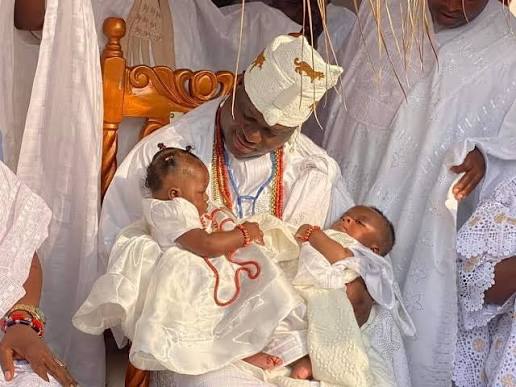
Introduction
In traditional Yoruba society, raising a child was regarded as a shared responsibility rather than the duty of parents alone. Every member of the extended family, and often the wider community, played a role in teaching children the values, skills, and character needed to become responsible adults.
The Yoruba believed that a child's upbringing shaped not only the future of the family but also the wellbeing of the entire community. This philosophy is reflected in the well-known proverb:
> "Ọmọ kì í jẹ́ ti baba kan ṣoṣo."\ > A child does not belong to one father alone.
This saying emphasises that every child benefits from the guidance, protection, and wisdom of the wider community.
The Extended Family System
Traditional Yoruba families often lived in large family compounds where several generations resided together.
Children were raised by:
* Parents. * Grandparents. * Uncles and aunts. * Older siblings. * Cousins. * Other respected relatives.
This environment allowed children to learn from many role models and created a strong sense of belonging.
Moral Education from an Early Age
Character development was considered as important as physical growth.
Children were taught values such as:
* Honesty. * Respect. * Humility. * Kindness. * Courage. * Hard work. * Self-discipline. * Generosity.
Lessons were reinforced through stories, proverbs, songs, and the example set by adults.
Teaching Respect (Ìwà Omolúàbí)
One of the most important principles in Yoruba upbringing was Ìwà Omolúàbí, the ideal of good character.
Children learned to:
* Greet elders respectfully. * Speak politely. * Keep promises. * Show self-control. * Care for younger children. * Respect community rules.
Respect was expected not only towards family members but also towards neighbours, visitors, and strangers.
Learning Through Observation
Much learning occurred through observation and participation rather than formal instruction.
Children accompanied adults as they:
* Farmed. * Cooked. * Fished. * Wove cloth. * Made pottery. * Traded in markets. * Built homes.
By taking part in daily activities, children gradually developed practical skills and a strong work ethic.
Storytelling as Education
Evening storytelling sessions were an important part of childhood.
Folktales featured:
* Clever animals. * Brave heroes. * Wise elders. * Moral dilemmas. * Supernatural beings.
These stories entertained children while teaching lessons about honesty, perseverance, wisdom, and the consequences of poor choices.
Age and Responsibility
As children grew older, they were given increasing responsibilities appropriate to their age.
These could include:
* Fetching water. * Sweeping the compound. * Helping prepare meals. * Looking after younger siblings. * Assisting on the farm. * Running errands.
These tasks were intended to build responsibility, cooperation, and independence.
Apprenticeship and Skill Development
Many young people learned specialised skills through apprenticeship.
Depending on family traditions and local opportunities, they might train in:
* Blacksmithing. * Weaving. * Wood carving. * Pottery. * Trading. * Farming. * Leatherwork. * Bead making.
This system ensured that knowledge and craftsmanship were passed from one generation to the next.
Community Discipline
Discipline was regarded as a community responsibility.
Parents were primarily responsible for guiding their children, but other respected adults could also correct inappropriate behaviour in accordance with community customs. This reflected the belief that every adult had a role in helping children develop good character.
The emphasis was on teaching, correction, and helping children understand the consequences of their actions rather than simply imposing punishment.
Celebrating Milestones
Childhood was marked by important family and community celebrations.
These included events such as:
* Naming ceremonies. * First participation in community festivals. * Completion of apprenticeships. * Marriage preparations in adulthood.
These milestones strengthened family bonds and reinforced cultural identity.
Changes in Modern Yoruba Families
Many aspects of Yoruba child-rearing continue today, although family life has evolved with urbanisation, formal education, and changing lifestyles.
Modern Yoruba families still place great importance on:
* Respect for elders. * Good character. * Education. * Family unity. * Hard work. * Community support.
At the same time, today's children are more likely to balance these traditional values with formal schooling, technology, and life in increasingly urban environments.
The Enduring Legacy
Traditional Yoruba methods of raising children produced generations who valued responsibility, respect, cooperation, and service to the community. By involving the extended family and teaching through everyday life, storytelling, and practical experience, the Yoruba created a system of education that prepared children not only for adulthood but also for active participation in society.
Many of these values continue to shape Yoruba families today, demonstrating the enduring influence of a cultural tradition that places character at the heart of human development.
Conclusion
Child-rearing in traditional Yoruba families was a collective endeavour built on love, guidance, discipline, and shared responsibility. Parents, grandparents, relatives, and the wider community all contributed to nurturing children into responsible, respectful, and hardworking adults.
Through storytelling, apprenticeship, moral instruction, and daily participation in family life, children learned the principles of Ìwà Omolúàbí—good character, integrity, and respect for others. Although modern life has transformed many aspects of family living, these enduring values remain central to Yoruba identity and continue to inspire generations across Nigeria and the Yoruba diaspora.