Introduction
Respect has traditionally been one of the foundations of everyday Yoruba social life. It influenced how people greeted one another, spoke to elders, welcomed visitors, raised children, conducted business, settled disagreements, and participated in community life.
In Yoruba culture, respect is closely connected with ìwà, character. A person's manners and treatment of others could reveal their upbringing and moral character. Respect was therefore not simply a matter of etiquette. It was part of maintaining harmony between individuals, families, and the wider community.
Respect as a Sign of Good Character
Respect was traditionally considered an important component of Omolúàbí, the ideal of a person with good character.
A well-raised person was expected to demonstrate respect through:
* Speech. * Greetings. * Behaviour. * Generosity. * Patience. * Listening. * Consideration for others.
Importantly, respect was not simply about showing deference to people with higher status. It also involved treating neighbours, visitors, peers, and younger people with appropriate consideration.
Greetings Were an Everyday Ritual
Few aspects of Yoruba life demonstrate the importance of respect more clearly than greetings.
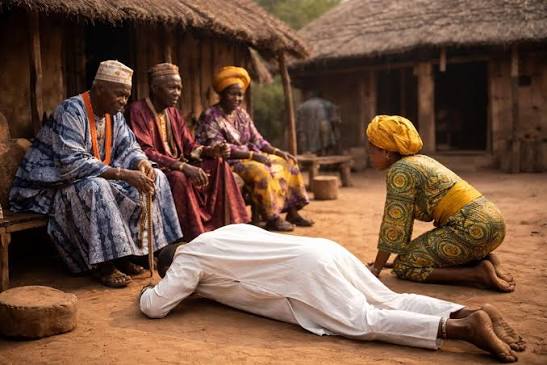
Children traditionally learned to greet adults when they encountered them. The form of greeting could vary according to age, gender, relationship, and social context.
Young men might traditionally prostrate, while young women might kneel when greeting an elder in some settings.
The physical gesture was not simply submission. It communicated recognition, courtesy, and respect.
Language Reflected Social Relationships
Respect was also expressed through language.
People were expected to consider:
* Who they were speaking to. * The person's age. * Their relationship. * Their social position. * The appropriate tone of conversation.
Children were taught that speaking to an elder required a different level of politeness from speaking casually with a peer.
This sensitivity to social relationships became an important part of everyday communication.
The Family Was the First School of Respect
Children learned respect primarily through family life.
Parents, grandparents, uncles, aunts, and older siblings taught children how to:
* Greet people. * Speak appropriately. * Listen to elders. * Share with others. * Welcome visitors. * Help relatives.
Because extended families traditionally played an important role in child-rearing, children encountered many people from whom they could learn appropriate behaviour.
Respect for Elders and Knowledge
Age traditionally carried significant social value because elders were regarded as repositories of experience and knowledge.
Elders preserved:
* Family histories. * Genealogies. * Proverbs. * Customs. * Community memories. * Traditional knowledge.
Respecting elders therefore also meant respecting the knowledge they carried.
However, respect did not necessarily mean that every statement made by an elder was automatically accepted. Yoruba governance traditionally included councils, discussions, and consultation, allowing different perspectives to be considered.
Respect Within the Household
Respect helped organise relationships within the extended family.
Younger relatives were generally expected to show courtesy to older family members, while older relatives had responsibilities towards younger members.
This created a system of mutual obligation rather than a one-way expectation.
Older relatives were expected to:
* Guide younger people. * Protect family interests. * Share knowledge. * Provide advice.
Younger members were expected to:
* Listen. * Assist when necessary. * Maintain family traditions. * Treat elders with courtesy.
Respect and Hospitality
Respect shaped how visitors were received.
A guest could be welcomed with:
* Greetings. * Water. * Food. * Kola nut. * Conversation. * A place to rest.
Children could be expected to help their parents welcome visitors. Hospitality was therefore another practical lesson in good character.
Respect in the Marketplace
Respect was also important in commerce.
Traders depended on reputation and long-term relationships. A merchant who was known for dishonesty or disrespect could lose customers and business partners.
Market relationships therefore relied on:
* Trust. * Fair dealing. * Good communication. * Reliability. * Mutual respect.
Senior market leaders could also help regulate relationships between traders and resolve disagreements.
Respect and Traditional Leadership
Respect was particularly visible in interactions with traditional rulers and chiefs.
People observed established protocols when approaching a monarch or senior traditional official. Greetings, titles, body language, and ceremonial procedures communicated the importance of the office.
At the same time, Yoruba political traditions placed responsibilities on leaders as well. A ruler was expected to govern with wisdom, justice, and concern for the community.
Respect was therefore connected to responsibility on both sides.
Respect and Community Assemblies
Community meetings depended heavily on respectful communication.
Participants were expected to listen to elders, allow others to speak, and avoid unnecessary confrontation.
This helped communities discuss matters such as:
* Land. * Security. * Markets. * Festivals. * Family disputes. * Community development.
Respect made it possible for disagreement to occur without necessarily becoming hostility.
Respect and Conflict Resolution
Respect was especially valuable during disputes.
When conflicts occurred, elders could mediate by listening to both sides and encouraging people to control their emotions.
The goal was often to restore àlàáfíà, peace and wellbeing.
A person who accepted correction, apologised when appropriate, and avoided unnecessary escalation demonstrated qualities associated with good character.
Respect for Work and Apprenticeship
Respect also shaped traditional apprenticeship.
Young people learning trades were expected to respect their teachers and observe carefully. In return, experienced artisans were responsible for passing knowledge and skills to the next generation.
This relationship helped preserve:
* Craft techniques. * Professional knowledge. * Work ethics. * Cultural traditions.
Respect therefore contributed directly to the preservation of Yoruba occupations.
Respect for the Environment and Sacred Spaces
Respect extended beyond human relationships.
Traditional Yoruba communities also developed customs governing interactions with forests, rivers, sacred groves, animals, and other elements of the natural world.
Certain places were protected because of their cultural or spiritual significance. Rules surrounding these spaces varied between communities, but they reflected an understanding that humans had responsibilities toward their environment and the sacred landscape.
Respect Was Not Blind Obedience
It is important not to confuse traditional respect with absolute obedience.
Yoruba society had mechanisms for questioning and balancing authority. Councils of chiefs, elders, family heads, community assemblies, and other institutions could advise or challenge leaders.
A ruler was expected to respect customary law and govern responsibly. Thus, the ideal relationship was based on mutual obligations, rather than unrestricted power on one side and unquestioning obedience on the other.
Respect in Yoruba Proverbs
Proverbs helped preserve ideas about respect and appropriate behaviour.
Elders could use proverbs to teach younger people about:
* Patience. * Humility. * Wisdom. * Responsibility. * Social boundaries. * The consequences of arrogance.
This made oral tradition an important tool for teaching social etiquette and moral values.
Respect in Modern Yoruba Life
Modernisation has changed many aspects of Yoruba social life, particularly in cities. Younger generations may interact with elders differently from people living in traditional rural communities.
Nevertheless, respect remains visible in many contemporary settings:
* Greeting older relatives. * Using respectful forms of address. * Showing courtesy to visitors. * Honouring family elders. * Respecting traditional rulers. * Maintaining family relationships.
Traditional customs have also adapted to schools, workplaces, churches, mosques, universities, and modern professional environments.
Conclusion
Respect was woven into almost every aspect of traditional Yoruba life. It shaped greetings, language, family relationships, hospitality, commerce, leadership, education, conflict resolution, and community participation.
At its deepest level, respect was connected to Ìwà, the quality of one's character. A person demonstrated good character not merely through words, but through how they treated other people and fulfilled their responsibilities.
The enduring Yoruba lesson is that a healthy society depends on people recognising one another's dignity while understanding their responsibilities to family and community. Even as Yoruba society continues to change, this principle remains one of the strongest links between traditional values and contemporary life.