Introduction
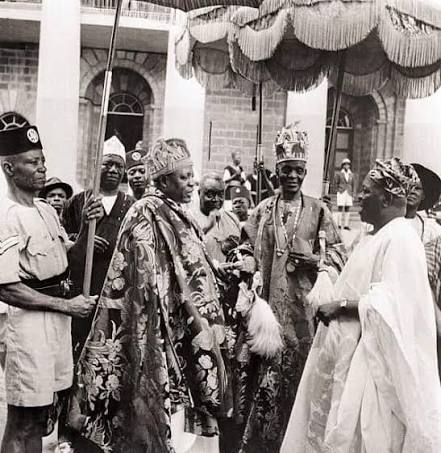
One of the most remarkable features of traditional Yoruba governance was its system of shared leadership. Although kings held highly respected positions, they did not rule alone. Across Yorubaland, councils of chiefs played essential roles in advising monarchs, representing the interests of the people, administering justice, and ensuring that rulers governed according to established customs.
This balance of power helped prevent absolute rule and encouraged consultation, accountability, and collective decision-making. Long before the development of modern democratic institutions, many Yoruba kingdoms had political systems that recognised the importance of checks and balances between the monarch and senior officials.
The Yoruba Philosophy of Leadership
In Yoruba political thought, a king was regarded as the guardian of the kingdom rather than its sole decision-maker.
Leadership was expected to be guided by:
* Wisdom. * Justice. * Consultation. * Respect for tradition. * Service to the community. * Accountability.
This philosophy recognised that good governance depended on cooperation between the monarch and experienced advisers.
Who Were the Chiefs?
Chiefs were respected leaders appointed or recognised according to the customs of each kingdom.
They often represented:
* Important families. * Lineages. * Town quarters. * Military institutions. * Religious bodies. * Professional guilds.
Each chief had specific responsibilities that contributed to the administration of the kingdom.
The Council of Chiefs
Most Yoruba kingdoms maintained councils made up of senior chiefs.
These councils helped the ruler by:
* Advising on public policy. * Discussing security matters. * Settling disputes. * Supervising major ceremonies. * Overseeing succession. * Representing community interests.
Important decisions were often reached through discussion and consensus rather than by royal decree alone.
The Oyo Mesi: A Famous Example
One of the best-known examples of balanced governance was found in the Old Oyo Empire.
The Oyo Mesi, a council of seven principal chiefs, advised the Alaafin, the ruler of Oyo. The council played a central role in matters such as:
* State administration. * Military policy. * Succession. * Relations with neighbouring states.
The Oyo Mesi also acted as an important constitutional check on the Alaafin's authority, demonstrating that even the most powerful ruler was expected to govern within established customs.
Kingmakers and Royal Succession
In many kingdoms, senior chiefs served as kingmakers.
Their duties included:
* Confirming eligible candidates. * Following customary succession rules. * Organising the installation process. * Protecting the legitimacy of the throne.
This ensured that succession followed tradition rather than personal ambition or force.
Administration of Justice
Chiefs played a vital role in maintaining justice.
Working alongside the ruler, they heard cases involving:
* Land ownership. * Marriage. * Inheritance. * Trade. * Community disputes. * Violations of customary law.
The goal was often to restore peace and harmony rather than simply impose punishment.
Representing the People
Chiefs acted as intermediaries between the palace and ordinary citizens.
They communicated:
* Community concerns. * Requests for assistance. * Reports on local affairs. * Suggestions for development. * Information about conflicts.
This system helped ensure that the voices of different communities were heard in the royal court.
Balancing Military and Civil Authority
Many Yoruba kingdoms distinguished between military and civil leadership.
Military chiefs were responsible for:
* Defence. * Organising warriors. * Protecting trade routes. * Responding to external threats.
Civil chiefs focused on governance, justice, and community administration.
This division of responsibilities reduced the concentration of power in a single office.
Councils in Different Yoruba Kingdoms
Although each kingdom had its own institutions, councils of chiefs were common throughout Yorubaland.
Kingdoms such as:
* Ile-Ife * Ijebu Ode * Akure * Oyo
all developed systems in which chiefs shared responsibility for governance, though the structure and titles varied from one kingdom to another.
Lessons for Modern Governance
Many historians view traditional Yoruba political institutions as early examples of constitutional governance.
Key principles included:
* Consultation before major decisions. * Shared responsibility. * Respect for established laws and customs. * Accountability of leaders. * Community participation through representatives.
While these systems differed from modern democratic governments, they illustrate that political power in many Yoruba kingdoms was neither arbitrary nor absolute.
The Enduring Legacy
The councils of chiefs remain an important part of many Yoruba traditional institutions today. Although their political authority now exists within Nigeria's constitutional framework, they continue to advise monarchs, preserve customary law, mediate disputes, and safeguard cultural heritage.
Their continued relevance reflects the resilience of Yoruba political traditions and their ability to adapt to changing times while maintaining core values.
Conclusion
The councils of chiefs were fundamental to the success and stability of Yoruba kingdoms. By advising monarchs, administering justice, overseeing succession, and representing the interests of their communities, they ensured that royal authority was exercised with wisdom and restraint rather than absolute power.
Institutions such as the Oyo Mesi of the Old Oyo Empire demonstrate the sophistication of Yoruba political thought, where consultation, accountability, and respect for tradition were central to governance. These enduring principles continue to make Yoruba civilisation one of Africa's most influential and historically significant political traditions.