Introduction
The spread of Yoruba religion to Brazil, Cuba, the Caribbean, and other parts of the Americas is one of the most remarkable stories of cultural survival in world history. Despite the brutality of the transatlantic slave trade, enslaved Yoruba people carried their language, spirituality, music, rituals, philosophy, and sacred traditions across the Atlantic Ocean. In unfamiliar lands marked by oppression and forced labor, they preserved and transformed their religious heritage in ways that continue to influence millions of people today.
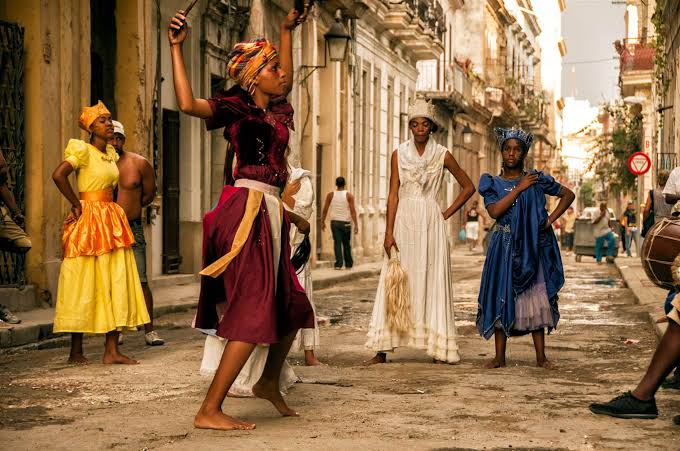
Today, Yoruba spiritual traditions survive in powerful forms such as Candomblé in Brazil, Santería in Cuba, Trinidad Orisha worship, and Lukumí traditions throughout the Americas. These religions preserve deep connections to Yoruba cosmology, divination, ancestor reverence, drumming, dance, and Òrìṣà worship.
The Yoruba People Before the Atlantic Slave Trade
Before the transatlantic slave trade intensified, the Yoruba people had already developed sophisticated kingdoms and spiritual systems across what is now southwestern Nigeria and parts of Benin and Togo.
Important Yoruba states included:
* The Oyo Empire * Ile-Ife * Ijebu Kingdom * Egba territories * Owu * Ketu
Yoruba religion centered around:
* Belief in Olódùmarè, the Supreme Creator * Worship of Òrìṣà (divine intermediaries) * Ancestor reverence * Ifá divination * Sacred festivals * Ritual drumming and dance
This spiritual system was deeply woven into everyday life, governance, morality, medicine, and community identity. (britannica.com)
The Transatlantic Slave Trade and Yoruba Captivity
Between the sixteenth and nineteenth centuries, millions of Africans were forcibly transported to the Americas through the transatlantic slave trade.
Large numbers of Yoruba people were captured particularly during the nineteenth century, especially after wars and political instability followed the decline of the Oyo Empire. Many Yoruba captives came from:
* Oyo * Ijebu * Egba * Ketu * Ibadan regions
In the Americas, Yoruba captives became known by names such as:
* Nago in Brazil * Lucumí or Lukumí in Cuba
Although enslaved people were stripped of freedom and separated from their homeland, many continued secretly preserving their religious traditions.
Yoruba Religion in Brazil: The Rise of Candomblé
Brazil became one of the largest destinations for enslaved Africans, and Yoruba traditions became especially influential in regions such as Bahia.
Over time, Yoruba religious practices merged with elements from other African traditions and adapted to Brazilian society, leading to the development of Candomblé. (britannica.com)
Candomblé preserves many Yoruba elements including:
* Òrìṣà worship * Sacred drumming * Ritual dance * Spiritual possession * Offerings * Divination * Yoruba songs and phrases
Important Òrìṣà worshipped in Candomblé include:
* Ogun * Sango * Yemoja * Osun * Oya
Bahia as a Yoruba Cultural Center
The Brazilian city of Salvador da Bahia became one of the most important centers of Yoruba cultural survival outside Africa.
Even today, Yoruba influence can be seen in:
* Music * Food * Clothing * Festivals * Language * Religious practices
Many Afro-Brazilian communities proudly preserve ancestral connections to Yoruba heritage.
Yoruba Religion in Cuba: Santería and Lukumí Traditions
In Cuba, Yoruba traditions evolved into what is commonly called Santería or the Lukumí religion.
The term “Santería” emerged during Spanish colonial rule because enslaved Africans often associated Yoruba Òrìṣà with Catholic saints in order to hide their religious practices from colonial authorities. (britannica.com)
For example:
* Sango became associated with Saint Barbara * Yemoja with the Virgin Mary * Babalu-Aye with Saint Lazarus
This blending of Yoruba spirituality and Catholic symbolism is known as syncretism.
Survival Through Adaptation
Despite persecution, Lukumí practitioners preserved:
* Yoruba chants * Drumming patterns * Ritual structures * Divination systems * Sacred initiations
Many ceremonial languages used in Cuban Santería still contain Yoruba vocabulary today.
The Role of Music and Drumming
Music became one of the most powerful tools for preserving Yoruba spirituality in the diaspora.
Sacred drums such as Batá drums were used to communicate with the Òrìṣà through rhythm, chants, and dance.
Drumming traditions preserved:
* Religious memory * Language patterns * Ritual communication * Cultural identity
Many modern musical traditions in the Americas, including samba, rumba, jazz influences, and Afro-Caribbean rhythms, were shaped partly by African spiritual music traditions.
Ifá Divination in the Americas
The Ifá divination system also survived in the diaspora.
Priests continued practicing divination using sacred methods connected to Orunmila.
Even after centuries outside Africa, many diaspora practitioners still preserve:
* Odu Ifá teachings * Ritual prayers * Sacred symbolism * Initiation systems
In recent decades, connections between African and diaspora Ifá practitioners have grown stronger through cultural exchange and research.
Resistance and Cultural Survival
The preservation of Yoruba religion in the Americas was an act of resistance.
Enslaved Africans faced:
* Forced conversion * Violence * Cultural suppression * Language loss * Family separation
Yet they preserved ancestral traditions through:
* Secret gatherings * Music * Oral transmission * Ritual ceremonies * Community networks
Religion became a source of identity, hope, unity, and psychological survival.
Yoruba Influence on Global Culture
Today, Yoruba religious influence extends far beyond Africa and the Americas.
Yoruba spirituality has influenced:
* Music * Dance * Art * Literature * Fashion * Film * Academic research * Global spirituality
Many people worldwide now study Ifá, Òrìṣà worship, and Yoruba philosophy as part of broader interest in African spirituality and indigenous knowledge systems.
Misunderstandings and Colonial Stereotypes
During colonial periods, African religions were often unfairly described as primitive or superstitious.
These stereotypes ignored the intellectual and philosophical depth of Yoruba spirituality.
Modern scholarship increasingly recognizes Yoruba religion as:
* A sophisticated philosophical system * A complex spiritual tradition * An important cultural heritage * A major global religious influence
Researchers now study Yoruba diaspora religions as important examples of cultural resilience and transatlantic identity.
Modern Reconnection With Africa
In recent decades, many practitioners in Brazil, Cuba, the United States, and the Caribbean have sought stronger connections with Yorubaland.
This reconnection includes:
* Cultural exchange programs * Religious pilgrimages * Ifá initiation in Nigeria * Language study * Academic collaboration * Heritage tourism
Cities such as:
* Ile-Ife * Osogbo * Oyo
have become important spiritual destinations for diaspora communities.
Conclusion
The spread of Yoruba religion to Brazil, Cuba, and the Americas stands as one of history’s greatest examples of cultural survival and resilience. Despite the horrors of slavery and displacement, Yoruba people preserved their spirituality, philosophy, music, rituals, and identity across continents.
Through traditions such as Candomblé, Santería, Lukumí, and Trinidad Orisha worship, Yoruba religion continues to shape the spiritual and cultural life of millions worldwide.
The enduring legacy of Yoruba spirituality demonstrates the strength of memory, community, and ancestral wisdom in the face of oppression and historical upheaval.