Introduction
Among the many historic cities in Africa, few hold the spiritual, cultural, and historical importance of Ile-Ife. Revered by the Yorùbá people as the birthplace of humanity and the cradle of Yorùbá civilization, Ile-Ife occupies a unique place in African history. It is not only an ancient city filled with myths, kingship traditions, and sacred shrines, but also a center of art, religion, philosophy, and identity that continues to influence millions of people across the world today.
For centuries, Ile-Ife has stood as a symbol of origin, wisdom, and spiritual authority in Yorùbá culture. From legendary stories of creation to astonishing archaeological discoveries, the city remains one of the most fascinating cultural centers in West Africa.
The Origins of Ile-Ife
Ile-Ife, often simply called “Ife,” is located in present-day Osun State, Nigeria. In Yorùbá tradition, it is regarded as the place where creation began.
According to Yorùbá cosmology, the Supreme Being Olódùmarè sent the oriṣa Ọbatala to create the earth. Using a sacred chain, sand, and a rooster, Ọbatala descended from the heavens to the watery world below. The land he created became known as Ile-Ife, meaning “House of Expansion” or “Land of Love.”
Another central figure in Yorùbá tradition is Odùduwà, who is regarded as the ancestor of many Yorùbá kings and kingdoms. Oral traditions describe Odùduwà as the founding ruler of Ile-Ife and the progenitor from whom many Yorùbá royal dynasties trace their lineage.
These traditions have shaped Yorùbá identity for generations and continue to play a vital role in religious and cultural life.
Ile-Ife as the Spiritual Heart of Yorùbáland
Ile-Ife is often called the spiritual capital of the Yorùbá people. It is home to numerous sacred shrines, temples, festivals, and religious sites connected to the oriṣa tradition.
Sacred Shrines and Deities
The city contains shrines dedicated to important deities such as:
1. Ọbatala – the deity of purity and creation
2. Ọ̀rúnmìlà – deity of wisdom and divination
3. Ogun – deity of iron and war
4. Ṣàngó – deity of thunder and lightning
5. Yemoja – associated with motherhood and water
Traditional worshippers, priests, and devotees from different parts of Nigeria and the African diaspora visit Ile-Ife for spiritual ceremonies and festivals.
The Ooni of Ife
The traditional ruler of Ile-Ife, known as the Ooni of Ife, is one of the most respected monarchs in Yorùbáland. The Ooni is considered not just a political ruler, but also a spiritual custodian of Yorùbá culture and tradition.
Historically, many Yorùbá kingdoms recognized the spiritual seniority of Ile-Ife because of its connection to Odùduwà. The Ooni therefore, occupies a symbolic position of unity among the Yorùbá people.
Today, the palace of the Ooni remains an important cultural institution visited by dignitaries, historians, tourists, and traditional worshippers.
Archaeological Wonders of Ile-Ife
One of the reasons Ile-Ife gained global recognition is because of its extraordinary archaeological discoveries.
The Famous Ife Bronze and Terracotta Heads
In the early 20th century, archaeologists uncovered highly sophisticated bronze and terracotta sculptures in Ile-Ife. These artworks amazed historians and scholars because of their realism and craftsmanship.
The naturalistic bronze heads, believed to date between the 12th and 15th centuries, demonstrated advanced metalworking techniques that rivaled many civilizations around the world.
Some early European scholars initially refused to believe Africans could produce such sophisticated art, wrongly attributing the works to foreign civilizations. Later research confirmed that the sculptures were indeed products of indigenous Yorùbá artistry.
These discoveries transformed global understanding of African history and art.
Ile-Ife and Yorùbá Civilization
Ile-Ife played a major role in the development of Yorùbá civilization.
Many major Yorùbá kingdoms — including Oyo, Ijẹbu, Ketu, Benin, and others — trace historical or spiritual connections to Ile-Ife through Odùduwà and his descendants.
Political Influence
The city influenced systems of kingship, governance, and royal traditions throughout Yorùbáland. Many royal crowns, rituals, and succession practices originated from Ife traditions.
Cultural Influence
Ile-Ife shaped Yorùbá language, oral traditions, drumming, music, fashion, spirituality, and artistic expression.
Praise poetry (oríkì), divination systems like Ifá, and traditional ceremonies all carry strong connections to the city.
Ifá Divination and Indigenous Knowledge
One of the greatest intellectual traditions associated with Ile-Ife is Ifá divination, a complex system of philosophy, spirituality, literature, and wisdom guided by Ọ̀rúnmìlà.
Ifá contains thousands of verses known as Odù Ifá, which preserve Yorùbá history, ethics, medicine, science, and worldview through oral literature.
UNESCO recognized Ifá as part of the Intangible Cultural Heritage of Humanity due to its cultural significance.
Festivals and Cultural Celebrations
Ile-Ife remains vibrant with traditional festivals that attract visitors from around the world.
Olojo Festival
One of the most famous celebrations is the Olojo Festival, a sacred annual event associated with Ogun, the deity of iron.
During the festival:
* The Ooni wears the sacred Aare crown * Traditional rituals are performed * Cultural dances and music fill the city * Thousands of worshippers and tourists gather in celebration
The festival symbolizes spiritual renewal, unity, and historical continuity.
Ile-Ife in Modern Times
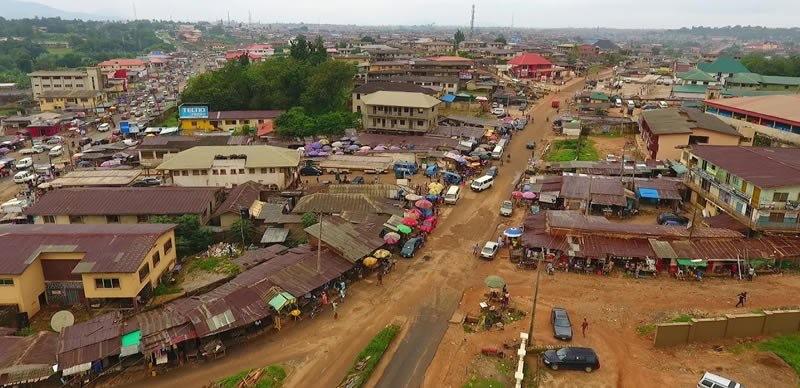
Today, Ile-Ife is both a historical city and a modern educational and cultural center.
The city is home to Obafemi Awolowo University, one of Nigeria’s leading universities. The institution has contributed significantly to research, arts, medicine, technology, and African studies.
Modern Ile-Ife continues to balance tradition and development:
* Ancient shrines exist alongside modern buildings * Traditional rulers coexist with democratic institutions * Cultural practices remain active despite globalization
This blend of past and present gives Ile-Ife a unique atmosphere unlike many other cities.
The Global Influence of Ile-Ife
The influence of Ile-Ife extends far beyond Nigeria.
Through the trans-Atlantic slave trade, Yorùbá religion and culture spread across the Americas and Caribbean. Today, traditions connected to Ile-Ife survive in:
* Brazil (Candomblé) * Cuba (Santería/Lucumí) * Trinidad and Tobago * Haiti * The United States
Millions of people across the world continue to honor Yorùbá deities and traditions whose origins are linked spiritually to Ile-Ife.
Why Ile-Ife Matters Today
Ile-Ife remains important because it represents:
* African civilization and innovation * Indigenous spirituality and philosophy * Cultural identity and continuity * Historical pride and resistance against colonial distortions of African history
The city reminds the world that Africa possesses ancient civilizations rich in governance, art, science, religion, and intellectual traditions.
Conclusion
Ile-Ife is far more than an ancient city. It is the spiritual heartbeat of the Yorùbá people and one of the most historically significant cultural centers in Africa.
From its sacred creation stories and legendary rulers to its breathtaking bronze sculptures and enduring traditions, Ile-Ife continues to inspire pride, scholarship, and spiritual devotion across generations.
As the cradle of Yorùbá civilization, Ile-Ife stands as a powerful symbol of heritage, identity, and the enduring greatness of African history.