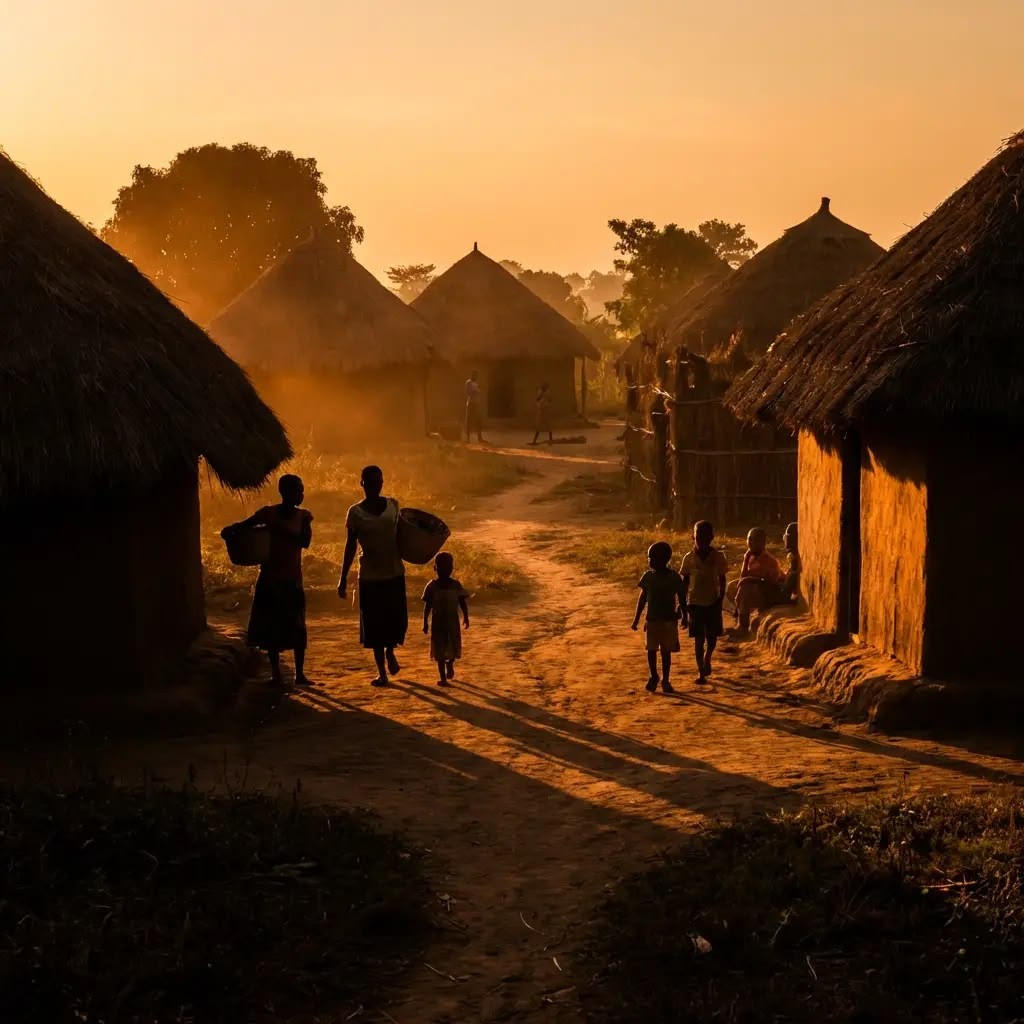
Introduction
Long before the invention of weather satellites, radar systems, and meteorological stations, the Yoruba developed sophisticated methods of observing nature to predict changes in the weather. These indigenous forecasting techniques were based on generations of careful observation, practical experience, and an intimate understanding of the environment.
For farming communities, accurately anticipating rainfall, drought, storms, and seasonal changes was essential for survival. By studying the behaviour of animals, the movement of clouds, the direction of the wind, the flowering of plants, and other natural signs, Yoruba communities were able to make informed decisions about planting, harvesting, travelling, and community activities.
Although modern meteorology now provides scientific forecasts, many of these traditional observations continue to be recognised by rural communities as valuable indicators of local environmental conditions.
Nature as a Source of Knowledge
The Yoruba viewed nature as a source of wisdom.
Rather than relying on instruments, experienced observers paid close attention to:
* The sky. * Clouds. * Wind patterns. * Trees and plants. * Birds. * Insects. * Rivers. * Seasonal cycles.
These observations were accumulated over many generations and passed down through oral tradition.
Reading the Sky
The appearance of the sky provided important clues about changing weather.
Experienced observers watched for:
* Dark, towering rain clouds. * Changes in cloud direction. * Unusual colours at sunrise or sunset. * Sudden stillness before storms. * Lightning in distant areas.
Such observations often helped farmers anticipate approaching rainfall or severe weather.
The Direction of the Wind
Wind patterns were another important indicator.
People observed:
* The strength of the wind. * Changes in wind direction. * Warm or cool air. * Dust carried by seasonal winds. * Moisture in the atmosphere.
For example, the arrival of the dry Harmattan winds often signalled the transition into the dry season, while humid winds from the Atlantic commonly preceded the rainy season in southern Yorubaland.
Animal Behaviour
Animals were believed to respond to environmental changes before humans noticed them.
People observed behaviours such as:
* Ants building or reinforcing their nests. * Swallows flying unusually low. * Frogs becoming more active. * Increased insect activity. * Birds changing their feeding patterns.
While these observations were based on experience rather than formal scientific measurement, many have parallels with modern ecological studies showing that animals often respond to changes in humidity, air pressure, and temperature.
Plants as Seasonal Indicators
Plants also provided valuable information.
Communities watched for:
* The flowering of certain trees. * The emergence of new leaves. * Fruiting seasons. * Changes in grasses. * Drying vegetation.
These natural cycles helped farmers estimate the best times to begin planting or prepare for harvest.
The Role of Farmers and Elders
Knowledge of weather prediction was usually preserved by experienced farmers and elders.
They shared their observations with younger generations through:
* Daily instruction. * Farming practice. * Storytelling. * Proverbs. * Community discussions.
This ensured that environmental knowledge remained part of the community's cultural heritage.
Ifá and Environmental Knowledge
Within the broader Yoruba worldview, nature and spirituality are closely connected.
Some Ifá verses contain observations about seasonal cycles, agriculture, and humanity's relationship with the natural environment. These teachings often encourage attentiveness to natural signs, careful planning, and respect for ecological balance.
It is important, however, to distinguish between environmental observations, which were based on experience, and religious divination, which serves different spiritual and cultural purposes. While both have influenced Yoruba thought, they are not the same method of forecasting weather.
Indigenous Knowledge and Agriculture
Weather prediction was essential for successful farming.
It helped communities decide when to:
* Prepare farmland. * Plant seeds. * Harvest crops. * Store food. * Burn vegetation safely. * Move livestock. * Organise community labour.
Accurate timing often meant the difference between a successful harvest and crop failure.
Scientific Perspectives
Modern meteorology relies on scientific instruments, satellite imagery, atmospheric models, and climate data to forecast weather.
Some traditional observations, such as changes in cloud formations, humidity, wind direction, or animal behaviour, are consistent with environmental phenomena recognised by science. Others remain rooted in local experience and cultural interpretation and have not been systematically validated through scientific research.
Rather than viewing indigenous knowledge and modern meteorology as opposites, many researchers see value in combining local environmental knowledge with scientific forecasting, particularly in agricultural planning and climate adaptation.
Preserving Indigenous Environmental Knowledge
Today, many traditional forecasting practices risk disappearing as lifestyles change and urbanisation increases.
Efforts to preserve this knowledge include:
* Recording oral histories. * Documenting farming traditions. * Supporting indigenous environmental research. * Teaching local ecological knowledge. * Integrating traditional observations into community-based conservation projects.
These initiatives help safeguard a valuable part of Yoruba cultural heritage.
Conclusion
Indigenous weather prediction among the Yoruba reflects centuries of careful observation, practical experience, and respect for the natural world. By studying the sky, winds, plants, animals, and seasonal cycles, generations of farmers and elders developed reliable methods for understanding their environment and planning agricultural activities.
Although modern weather forecasting now provides highly accurate scientific predictions, traditional Yoruba environmental knowledge remains an important cultural legacy. It reminds us that long before modern technology, communities across Yorubaland had already developed sophisticated ways of interpreting nature, demonstrating a deep understanding of the environment that continues to offer valuable insights today.