Introduction
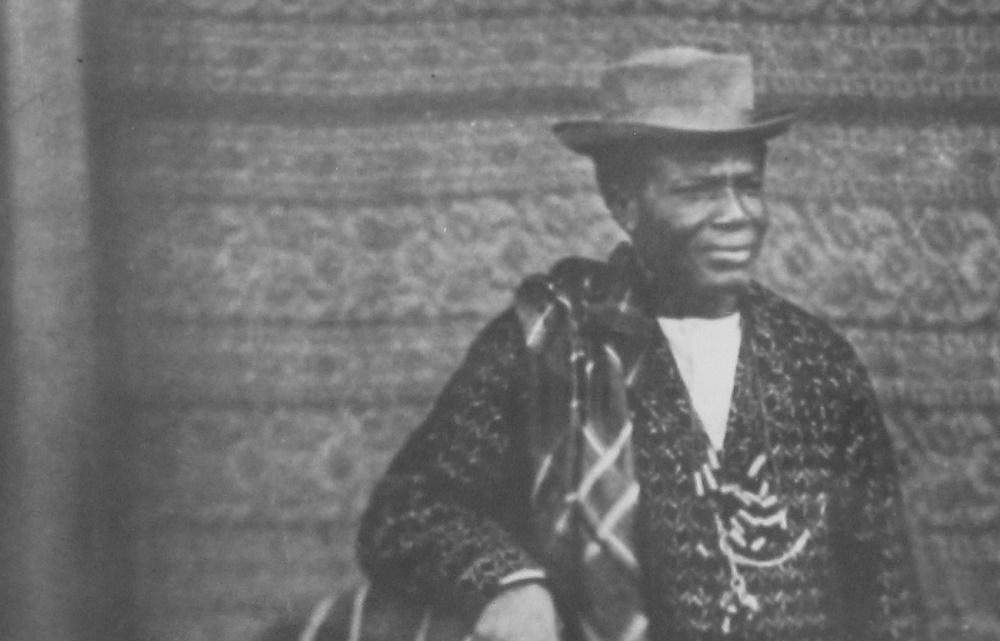
The story of Jaja of Opobo is one of ambition, intelligence, leadership, and resistance against colonial control. Rising from enslavement to become one of the most powerful African rulers and merchants of the nineteenth century, King Jaja built a thriving trading kingdom in the Niger Delta and defended its economic independence against British interference.
His life reflects a crucial moment in African history, when local rulers and merchants confronted the growing influence of European imperial powers. Through trade, diplomacy, and political strategy, Jaja became a symbol of African enterprise and resistance.
Early Life and Rise from Enslavement
Jaja was born around 1821 in the Igbo region of present-day southeastern Nigeria. Originally named Mbanaso Okwaraozurumba, he was captured and sold into slavery as a child during a period of regional conflict and slave trading.
He was eventually taken to Bonny Kingdom in the Niger Delta, where he became part of the household of a prominent trading chief. Over time, through intelligence, discipline, and commercial skill, Jaja rose through the ranks of the trading system.
His abilities soon distinguished him from others. He mastered the complex trade networks of the region and became deeply involved in the growing palm oil trade that connected West Africa to European markets.
The Palm Oil Economy and Growing Influence
By the nineteenth century, the global demand for palm oil had increased significantly due to its use in European industries. The Niger Delta became one of the most important regions supplying this valuable commodity.
Jaja emerged as a dominant trader during this period. His influence grew rapidly, but tensions also developed within Bonny over trade leadership and political authority.
Rather than remain under rivals who sought to limit his power, Jaja made a bold decision that would change the history of the region.
The Founding of Opobo
In 1869, Jaja and his followers left Bonny and established the Opobo Kingdom. Located strategically along important trade routes, Opobo quickly developed into a powerful commercial center.
Jaja organized the kingdom efficiently, strengthening its economy and political structure. Through careful control of trade routes and negotiations with European merchants, he ensured that Opobo became a major force in the palm oil trade.
Under his leadership, Opobo flourished economically and gained significant regional influence.
Resistance Against British Control
As British commercial interests expanded in West Africa, European companies sought direct access to local producers. This threatened African middlemen like Jaja, whose control of trade routes gave them economic power.
Jaja resisted attempts by British merchants and colonial officials to bypass Opobo’s authority. He insisted that trade should continue through local systems rather than under direct foreign control.
To the British, his independence became an obstacle. To his people, it was a defense of sovereignty and economic self-determination.
Arrest and Exile
In 1887, British officials invited Jaja to what appeared to be a diplomatic meeting aboard a warship. Instead, he was arrested and accused of obstructing trade.
He was exiled first to the Gold Coast, now Ghana, and later to the Caribbean island of Saint Vincent. His removal weakened Opobo’s independence and marked a significant moment in Britain’s expansion of colonial control in the Niger Delta.
Although the British justified their actions as necessary for free trade, many viewed the arrest as a deliberate attempt to remove a powerful African leader who challenged imperial interests.
Legacy and Historical Importance
King Jaja died in 1891 while returning to West Africa after years in exile. Though he did not live to fully reclaim his kingdom, his legacy endured.
Today, Jaja is remembered as one of the most important figures in precolonial Nigerian history. His life symbolizes:
* African entrepreneurship * Political intelligence * Resistance to colonial domination * The struggle for economic independence
His story also challenges simplistic narratives about Africa’s past, showing that African leaders were active participants in global trade and diplomacy long before colonial rule became fully established.
Trade, Power, and African Agency
The story of King Jaja reveals the complexity of nineteenth-century African politics and commerce. He was not merely reacting to European expansion. He was actively shaping economic systems, building alliances, and defending regional interests.
His resistance was rooted not only in politics but also in the belief that African societies should control their own resources and trade networks.
In this sense, Jaja’s struggle foreshadowed later anti-colonial movements across Africa.
Conclusion
King Jaja of Opobo remains one of the most remarkable figures in African history. From enslaved child to influential ruler and merchant, his life reflected extraordinary determination and strategic vision.
Through trade, he built wealth and power. Through resistance, he defended the independence of his people against foreign domination.
His story is not only about commerce or politics. It is about dignity, leadership, and the enduring desire of people to control their own future.