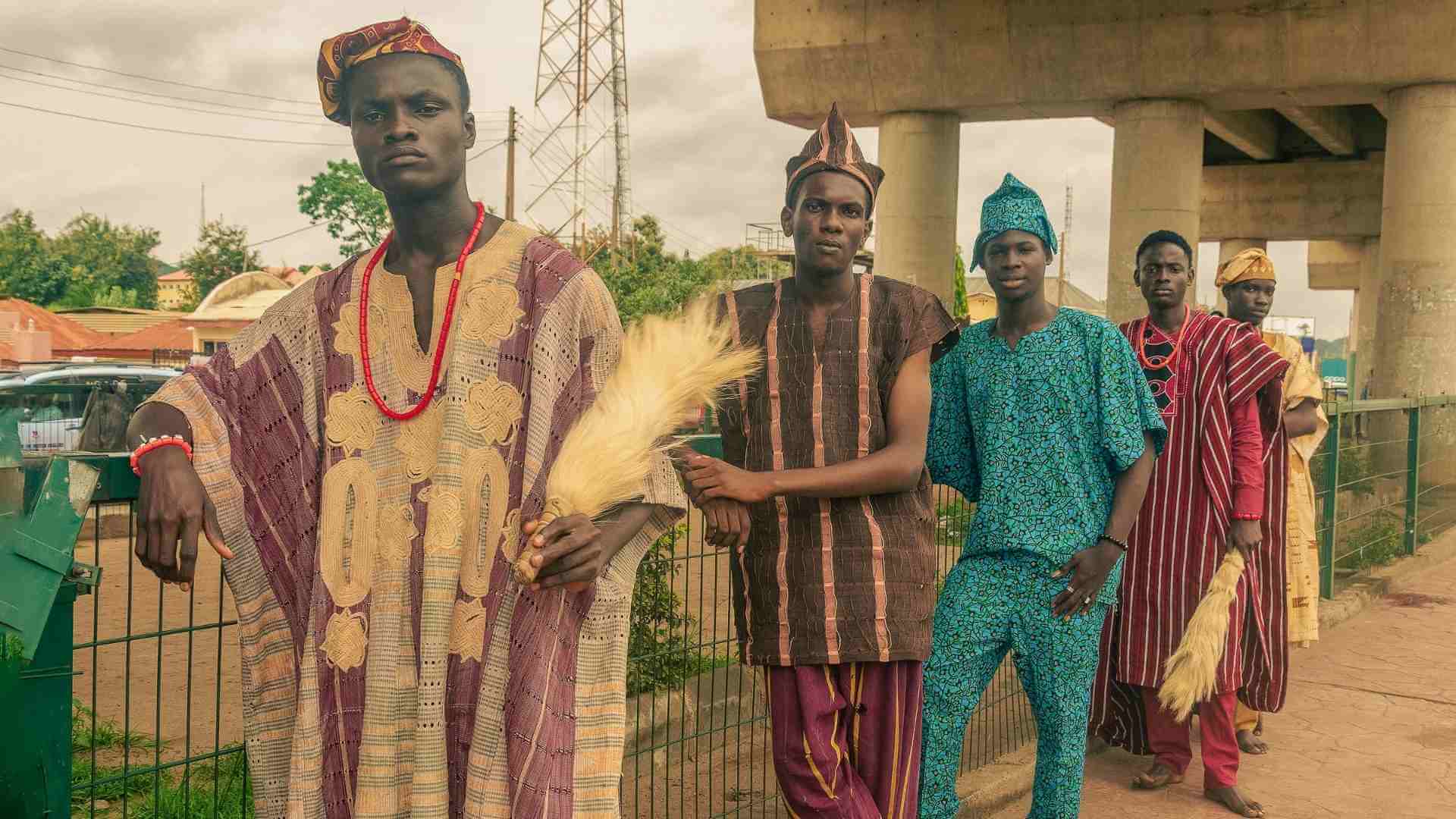
Introduction
The Yoruba people are often spoken of as a single ethnic group, but in reality, they are a wide civilisation made up of many subgroups, each with its own history, dialect, political system, and cultural expressions.
These subgroups share a common ancestry rooted in Ile-Ife, regarded as the spiritual cradle of Yoruba civilisation, and linked through traditions that often trace origin to Oduduwa.
Yet over centuries, migration, geography, trade, and warfare created distinct identities within the Yoruba world.
Understanding these subgroups reveals that Yoruba civilisation is not monolithic, but a network of interconnected kingdoms and communities.
1. Oyo Yoruba (Ọ̀yọ́)
The Oyo Yoruba are historically one of the most powerful subgroups, known for building the great Oyo Empire.
Origins
They trace their lineage to early descendants of Odùduwà who settled in the savannah region north of Ile-Ife.
Key Features
* Highly centralised political system * Powerful cavalry-based military * Imperial administration across Yorubaland
The ruler, the Alaafin of Oyo, became one of the most influential monarchs in West African history.
2. Ife Yoruba (Ilé-Ifẹ̀)
The Ife Yoruba are considered the spiritual origin group of all Yoruba subgroups.
Origins
They are associated with the earliest settlement of Yoruba civilisation at Ile-Ife, where creation myths place the beginning of the world.
Key Features
* Spiritual authority over Yoruba identity * Advanced ancient art (bronze and terracotta sculptures) * Religious and ritual significance
The ruler, the Ooni of Ife, is regarded as a custodian of Yoruba spirituality.
3. Ijebu Yoruba (Ìjẹ̀bú)
The Ijebu Yoruba are known for commerce, discipline, and strong economic systems.
Origins
They are believed to have migrated from Ile-Ife and settled in forest-coastal trade corridors.
Key Features
* Highly organised trade networks * Strong regulatory systems on commerce routes * Rich cultural festivals such as Ojude Oba
Their ruler is the Awujale, a highly respected traditional authority.
4. Egba Yoruba (Ẹ̀gbá)
The Egba Yoruba are historically associated with migration and settlement under pressure from war.
Origins
Egba communities migrated and eventually settled around Olumo Rock, forming what became Abeokuta.
Key Features
* Strong refugee-based origin story * Unified under defensive settlement systems * Strong urban development in Abeokuta
They are known for resilience and unity formed through survival.
5. Ekiti Yoruba (Èkìtì)
The Ekiti Yoruba are known for intelligence and independent hill settlements.
Origins
They developed from early Yoruba migrations into forested highlands.
Key Features
* Independent kingdoms rather than a single empire * Strong intellectual and oral traditions * Hill-based geography influencing settlement
Ekiti is widely associated with wisdom and learning within Yoruba culture.
6. Ijesha Yoruba (Ìjẹ̀ṣà)
The Ijesha Yoruba are closely tied to forest settlements and structured monarchy.
Origins
They are linked to migration from Ile-Ife into eastern Yoruba forest regions.
Key Features
* Strong monarchical system led by Owa Obokun * Agricultural and forest-based economy * Emphasis on wisdom and cultural preservation
The Owa Obokun remains central to their identity.
7. Ondo Yoruba
The Ondo Yoruba developed in the southern forest belt.
Origins
They are linked to Yoruba migration traditions involving royal or noble settlers moving southward.
Key Features
* Forest-based monarchy system * Strong cultural identity * Balanced diplomacy with neighbouring kingdoms
Their ruler is the Osemawe.
8. Ketu Yoruba (Kétu)
The Ketu Yoruba are found mainly in present-day Benin Republic.
Origins
They are among the earliest Yoruba-related kingdoms outside Nigeria, maintaining strong ties to Ile-Ife traditions.
Key Features
* Cross-border Yoruba identity * Strong cultural preservation in Benin Republic * Historical trade and political links
Ketu represents the early spread of Yoruba civilisation beyond modern Nigeria.
Shared Identity Across Subgroups
Despite their differences, all Yoruba subgroups share:
* Common linguistic roots (Èdè Yorùbá) * Spiritual systems (Ifá and Òrìṣà traditions) * Historical connection to Ile-Ife * Cultural values such as respect, wisdom, and community
This unity in diversity is one of the defining strengths of Yoruba civilisation.
Conclusion
The Yoruba world is not a single uniform identity but a civilisation of interconnected subgroups, each shaped by geography, migration, and history.
From the powerful Oyo Empire to the intellectual Ekiti highlands, from the trading brilliance of Ijebu to the spiritual authority of Ile-Ife, each subgroup contributes a unique thread to the larger Yoruba tapestry.
Together, they form a civilisation that is both diverse and unified, ancient and evolving, local and global.
In understanding these subgroups, we see that Yoruba identity is not just inherited — it is continuously lived, reshaped, and celebrated across generations.