Introduction
The prosperity of ancient Yoruba civilisation was built upon the hard work, creativity, and specialised skills of its people. Long before the colonial era, Yoruba communities had developed a diverse economy supported by farming, trade, craftsmanship, hunting, fishing, and numerous specialised professions. These occupations not only sustained daily life but also contributed to the growth of powerful kingdoms, vibrant markets, and internationally admired artistic traditions.
Work in traditional Yoruba society was more than a means of earning a living. It was closely connected to family identity, community service, cultural values, and the transmission of knowledge from one generation to the next. Many occupations were learned through apprenticeship, ensuring that valuable skills and traditions were preserved over centuries.
Agriculture: The Foundation of Society
Agriculture formed the backbone of the Yoruba economy.
Most families cultivated crops such as:
* Yam. * Cassava. * Maize. * Millet. * Cocoyam. * Beans. * Vegetables. * Oil palm.
Farming provided food for households and surplus produce for local and regional markets. Seasonal farming activities also shaped many traditional festivals and community celebrations.
Traders and Merchants
Trade was one of the defining features of Yoruba civilisation.
Merchants travelled within and beyond Yorubaland, exchanging goods such as:
* Kola nuts. * Salt. * Textiles. * Beads. * Pottery. * Iron tools. * Palm oil. * Agricultural produce.
Women played particularly prominent roles in local and regional markets, helping to establish the Yoruba reputation for entrepreneurship that continues today.
Blacksmiths and Ironworkers
Blacksmiths occupied a respected place in Yoruba society.
They produced:
* Farming tools. * Hunting weapons. * Household implements. * Construction tools. * Ceremonial objects.
Their expertise supported agriculture, trade, warfare, and everyday life, making ironworking one of the most essential professions in ancient Yorubaland.
Weavers and Textile Makers
Yoruba weavers were renowned for producing beautiful textiles.
Among their creations were:
* Aṣọ Òkè. * Cotton fabrics. * Indigo-dyed cloth. * Ceremonial garments.
Textiles served practical purposes while also symbolising social status, identity, and cultural pride.
Potters
Potters transformed local clay into essential household items.
They crafted:
* Water pots. * Cooking vessels. * Storage containers. * Ritual objects. * Decorative items.
Pottery was both a practical necessity and an important artistic tradition.
Wood Carvers
Yoruba wood carvers created some of West Africa's finest artistic works.
Their craftsmanship included:
* Doors. * Masks. * Household furniture. * Palace decorations. * Ritual sculptures. * Musical instruments.
These works reflected both exceptional skill and deep cultural symbolism.
Bronze Casters and Metal Artists
The bronze and brass casters of Ile-Ife produced sculptures that remain among Africa's greatest artistic achievements.
Using sophisticated casting techniques, artisans created:
* Royal portraits. * Religious objects. * Ceremonial items. * Decorative artworks.
Their work demonstrates the advanced technological and artistic knowledge of ancient Yoruba civilisation.
Hunters
Hunters supplied communities with meat and valuable forest products.
Their responsibilities included:
* Hunting wild animals. * Protecting farms from dangerous wildlife. * Exploring forests. * Providing animal skins and other materials.
Hunters were admired for their courage, knowledge of nature, and survival skills.
Fishermen
Communities living near rivers, lagoons, and streams relied heavily on fishing.
Fish became an important source of:
* Food. * Trade. * Household income.
Fishing techniques varied according to local environments and were often passed down through generations.
Builders and Architects
Builders designed and constructed:
* Family compounds. * Palaces. * Markets. * Shrines. * Defensive walls.
Traditional Yoruba architecture reflected a sophisticated understanding of climate, available materials, and community organisation.
Traditional Healers and Herbalists
Traditional healers possessed extensive knowledge of medicinal plants and natural remedies.
They assisted communities by:
* Treating illnesses. * Preparing herbal medicines. * Advising on health and wellbeing. * Preserving knowledge of local plants.
Their work formed an important part of indigenous healthcare systems.
Priests and Religious Specialists
Religious specialists guided communities in matters of worship and tradition.
Their responsibilities included:
* Leading ceremonies. * Preserving sacred knowledge. * Conducting festivals. * Advising communities on religious matters.
Their roles varied according to local customs and religious traditions.
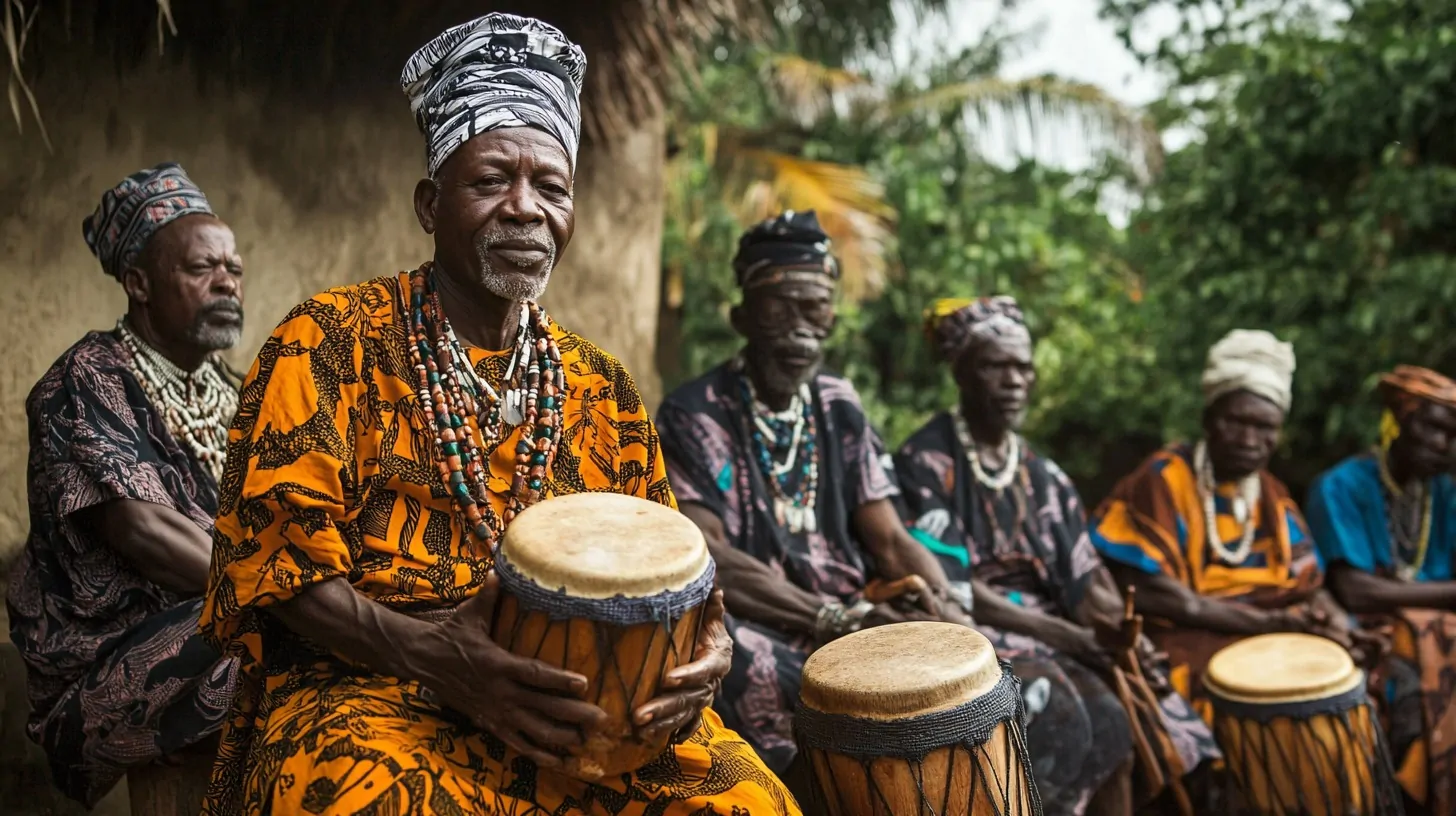
Musicians and Praise Singers
Music was an essential part of Yoruba society.
Professional musicians:
* Performed at festivals. * Celebrated royal events. * Preserved oral history. * Entertained communities. * Passed on cultural traditions.
Praise singers, in particular, were respected for their ability to recount family histories and honour notable individuals through poetry and song.
Apprenticeship: Learning a Profession
Most occupations were learned through apprenticeship.
Young people spent years training under experienced masters, gradually acquiring:
* Technical skills. * Ethical values. * Professional discipline. * Practical experience.
This system ensured that specialised knowledge was preserved and passed from one generation to the next.
The Role of Women in the Economy
Women made vital contributions to the economy of ancient Yorubaland.
They were active as:
* Traders. * Farmers. * Potters. * Textile producers. * Food processors. * Craft workers.
In many communities, women managed successful businesses and played significant roles in local and regional commerce.
Legacy of Traditional Occupations
Many traditional occupations continue to thrive today.
Yoruba artisans, farmers, traders, musicians, and craftspeople preserve techniques that have been handed down over centuries. Modern industries have transformed many professions, but their historical foundations remain visible in contemporary Yoruba society.
These occupations continue to contribute to cultural identity, economic development, and the preservation of traditional knowledge.
Conclusion
The occupations of ancient Yoruba communities were the foundation of one of Africa's most dynamic civilisations. Farmers fed the population, traders connected kingdoms, blacksmiths forged essential tools, artisans created masterpieces, and healers, musicians, and religious specialists enriched the cultural and spiritual life of society.
Together, these professions sustained thriving towns, encouraged innovation, and strengthened the economic and cultural life of Yorubaland. Their enduring legacy can still be seen today in the skills, industries, and traditions that continue to define Yoruba communities across Nigeria and the global diaspora.