Introduction
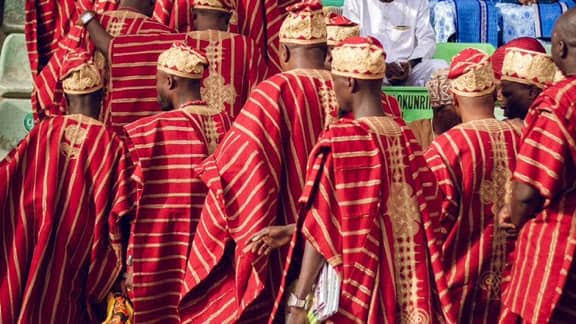
Throughout Yorubaland, traditional festivals are more than colourful cultural celebrations. They are occasions that preserve history, honour ancestors, strengthen community identity, and reaffirm the relationship between the people and their traditional rulers. While many Yoruba festivals are open to the general public and celebrate particular Òrìṣà or seasonal events, some are closely connected to royal institutions and are led by monarchs according to customs that have been preserved for centuries.
These royal festivals are unique to individual kingdoms and dynasties. They commemorate founding ancestors, celebrate the legitimacy of the throne, renew the bond between rulers and their people, and reinforce the cultural heritage of each kingdom.
Why Royal Festivals Matter
Royal festivals serve several important purposes.
They help to:
* Celebrate the history of the kingdom. * Honour past rulers and ancestors. * Preserve ancient customs. * Strengthen unity among citizens. * Promote peace and reconciliation. * Showcase traditional arts and crafts. * Pass cultural knowledge to younger generations.
They also provide opportunities for traditional rulers to engage directly with their communities.
The Olojo Festival of Ilé-Ifẹ̀
One of the most renowned royal festivals in Yorubaland is the Olojo Festival, celebrated in Ile-Ife.
Led by the Ooni of Ife, the festival celebrates the spiritual and historical significance of Ife, which Yoruba tradition regards as the cradle of creation and civilisation.
A central moment of the festival is the public appearance of the Ooni wearing the sacred Adé Àrẹ̀, a revered royal crown that is traditionally worn only on this special occasion. The festival attracts visitors from across Nigeria and the Yoruba diaspora.
The Oranyan Festival
The Oranyan Festival honours Oranyan, one of the most celebrated figures in Yoruba history.
Associated with both Ile-Ife and the Old Oyo Empire, the festival celebrates Oranyan's legacy as a warrior, state builder, and ancestor of several royal dynasties.
Traditional rulers, chiefs, and descendants gather to remember his contributions to the political development of Yorubaland.
The Ojúde Ọba Festival
The Ojúde Ọba Festival is one of the most spectacular royal celebrations in Nigeria.
Held annually in Ijebu Ode, the festival brings together thousands of people who pay homage to the Awujale, the traditional ruler of Ijebuland.
Highlights include:
* Colourful traditional attire. * Horse-riding displays. * Cultural dances. * Musical performances. Processions by age-grade groups known as regberegbe*.
Although it has Islamic historical roots connected with the end of Eid celebrations, it has evolved into a major cultural festival celebrating Ijebu identity and respect for the monarchy.
Odún Ọba
Many Yoruba kingdoms observe an annual Odún Ọba, meaning "King's Festival."
Although the customs vary from one kingdom to another, these celebrations generally include:
* Royal blessings. * Processions. * Traditional music. * Community prayers. * Recognition of chiefs. * Cultural performances.
These festivals celebrate both the institution of kingship and the continued unity of the community.
Coronation Anniversaries
Many monarchies also commemorate the anniversary of a ruler's installation.
These occasions often feature:
* Public thanksgiving. * Cultural exhibitions. * Historical lectures. * Community development projects. * Honours for distinguished citizens. * Traditional entertainment.
Such celebrations reinforce the continuity of the royal institution while highlighting the ruler's service to the kingdom.
The Role of Chiefs and Palace Societies
Royal festivals are rarely organised by the monarch alone.
They involve the active participation of:
* Senior chiefs. * Palace officials. * Traditional guilds. * Royal families. * Community associations. * Musicians. * Praise singers. * Cultural performers.
Their collective efforts ensure that ceremonies follow long-established traditions.
Music, Dance, and Praise Poetry
Music and oral performance are central to every royal festival.
Visitors often experience:
* Talking drum performances. Praise poetry (oríkì*). * Choral singing. * Traditional dances. * Royal salutes. * Ceremonial processions.
These performances celebrate the ruler, recount the history of the kingdom, and strengthen the connection between past and present.
Royal Festivals in Modern Times
Today, royal festivals continue to thrive despite the political changes brought by colonialism and modern government.
They now serve additional purposes by:
* Promoting cultural tourism. * Supporting local businesses. * Encouraging historical education. * Reconnecting the Yoruba diaspora with their heritage. * Showcasing Yoruba arts and traditions to international audiences.
These celebrations demonstrate that traditional institutions remain vibrant and relevant in contemporary society.
Preserving Heritage Through Celebration
Royal festivals are living expressions of Yoruba history.
They preserve:
* Ancient ceremonies. * Traditional dress. * Indigenous music. * Oral literature. * Royal customs. * Community values.
By bringing generations together, they ensure that the cultural identity of each kingdom continues to flourish.
Conclusion
Royal festivals exclusive to Yoruba monarchies are among the most enduring expressions of the region's rich cultural heritage. Celebrations such as the Olojo Festival, the Ojúde Ọba Festival, and the Oranyan Festival honour the history of their kingdoms while strengthening the relationship between traditional rulers and their people.
Beyond their colourful processions and ceremonial splendour, these festivals preserve centuries of history, music, oral tradition, and royal customs. They remind both the Yoruba people and the wider world that traditional monarchies remain important custodians of culture, identity, and community, ensuring that the legacy of Yorubaland continues to thrive across generations.