Introduction
Long before the invention of the telephone, radio, telegraph, or the internet, the Yoruba had already developed an extraordinary communication system capable of transmitting complex messages across great distances. This system did not rely on written letters or spoken conversation. Instead, it used rhythm, pitch, and sound.
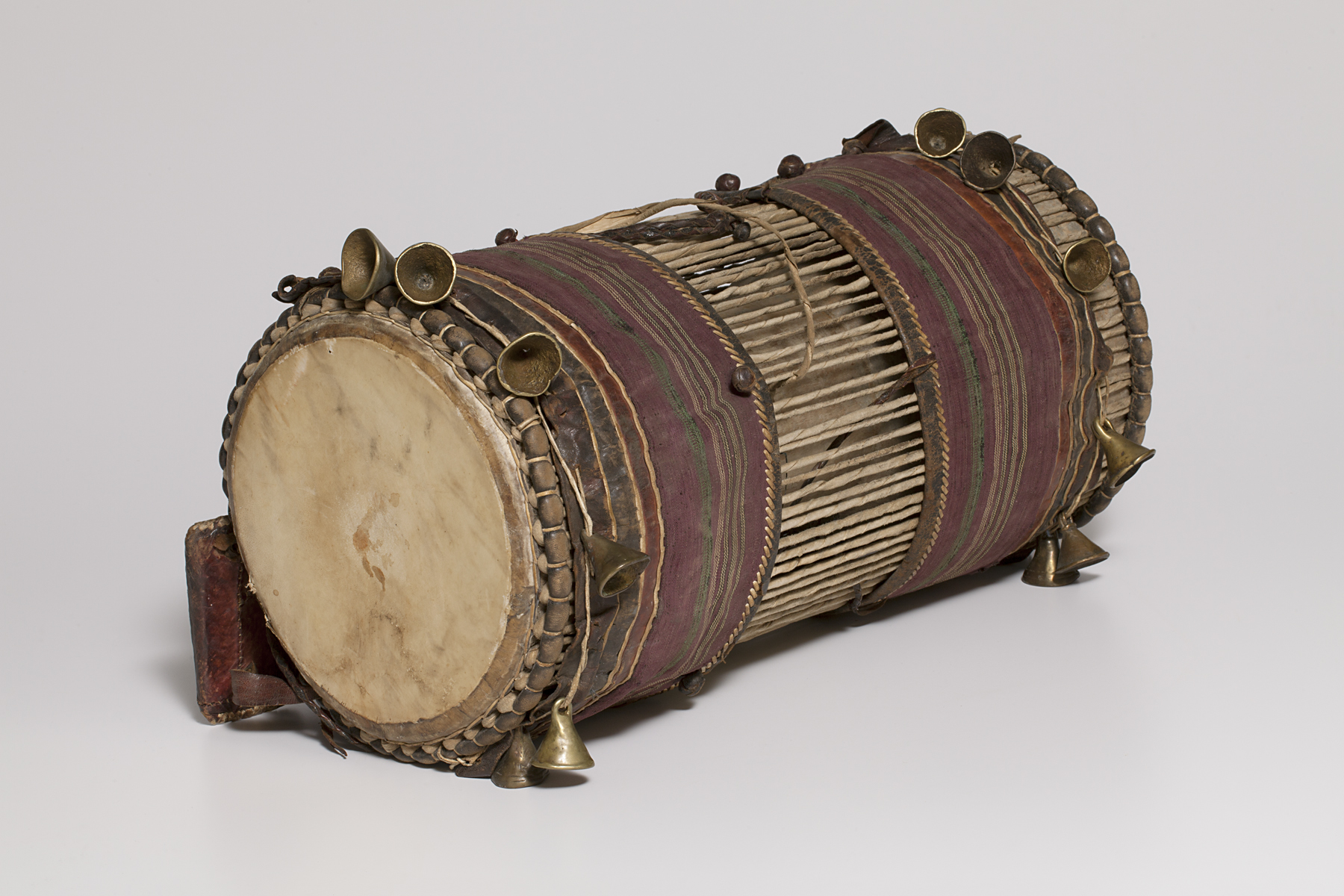
At the centre of this remarkable tradition is the talking drum, known in Yoruba as the gángan, a member of the larger dùndún family of drums. Unlike ordinary percussion instruments that simply keep time, the talking drum is designed to imitate the tonal patterns of the Yoruba language. In the hands of a skilled drummer, it can "speak" names, greetings, proverbs, praise poetry, announcements, and even entire phrases.
For centuries, the talking drum served as one of the most effective communication technologies in Yoruba civilisation. It connected villages, honoured kings, accompanied ceremonies, preserved history, and entertained audiences. Even in the modern age, it remains one of the most recognisable symbols of Yoruba cultural identity.
Why the Talking Drum Can "Speak"
The remarkable ability of the talking drum comes from the nature of the Yoruba language itself.
Yoruba is a tonal language, meaning that the pitch at which a word is spoken affects its meaning. The same sequence of consonants and vowels can represent entirely different words depending on whether the tone is high, mid, or low.
The talking drum is specially constructed with:
* Two drumheads connected by leather tension cords. * An hourglass-shaped wooden body. * A curved drumstick. * Flexible cords that allow the player to alter the drum's pitch.
By squeezing the cords under the arm while striking the drumhead, the drummer changes the tension of the skin, producing higher or lower notes that imitate the tones of spoken Yoruba.
This allows experienced drummers to reproduce the rhythm and melody of speech with remarkable accuracy.
More Than Music
Although the talking drum is widely appreciated as a musical instrument, its traditional functions extend far beyond entertainment.
Historically, it was used to:
* Announce important events. * Welcome distinguished visitors. * Summon people to community meetings. * Praise kings, chiefs, and notable individuals. * Celebrate births and marriages. * Accompany religious ceremonies. * Warn communities of danger. * Preserve oral history.
In many communities, the talking drum functioned as both a musical instrument and a public communication system.
Communication Across Long Distances
Before modern telecommunications, villages often relied on sound to communicate across considerable distances.
A skilled drummer positioned in a strategic location could transmit messages that were recognised by neighbouring communities. Those communities could then repeat the message, allowing information to travel over a much wider area.
Messages included:
* Arrival of important guests. * Royal announcements. * Market days. * Community emergencies. * Festival preparations. * Calls to meetings.
While drums could not transmit unlimited information in the way modern digital technology can, they were remarkably effective within the cultural and linguistic context of the time.
The Role of Praise Poetry
One of the most celebrated uses of the talking drum is the performance of oríkì, the rich tradition of Yoruba praise poetry.
An oríkì may celebrate:
* A person's ancestry. * Family achievements. * Personal qualities. * Historical events. * Towns and kingdoms. * Deities and rulers.
Master drummers memorise extensive praise poems and reproduce them through drum language. Audiences familiar with these expressions can often recognise the intended message.
The talking drum therefore serves as both a musical and literary instrument.
The Talking Drum in Royal Courts
Royal courts throughout Yorubaland traditionally maintained professional drummers whose responsibilities extended beyond performance.
These court musicians:
* Announced the arrival of the king. * Performed royal praise poetry. * Recorded historical events through oral tradition. * Accompanied official ceremonies. * Reinforced the dignity of the throne.
The rhythmic language of the drums became an essential part of royal protocol and public ceremony.
The Dùndún Ensemble
The talking drum is only one member of a larger family known as the dùndún ensemble.
This ensemble typically includes several drums of different sizes and functions, such as:
* Gángan (the talking drum) * Ìyá Ìlù (the lead drum, often called the "mother drum") * Kànàngó * Keríkerì * Gúdúgúdú
Together, these instruments create rich rhythmic textures while allowing the lead drummer to communicate verbal messages.
The ensemble illustrates the sophistication of Yoruba musical organisation.
Training a Master Drummer
Becoming a skilled talking drummer requires years of training.
Students learn:
* Drum construction. * Rhythmic patterns. * Yoruba tonal pronunciation. * Praise poetry. * Historical traditions. * Performance techniques.
Training usually occurs through apprenticeship, with knowledge passed from experienced masters to younger generations.
A great talking drummer is valued not only as a musician but also as a historian, linguist, and cultural custodian.
Talking Drums in Religion and Festivals
Talking drums play important roles in many traditional festivals and religious ceremonies.
They accompany celebrations honouring various Òrìṣà, community festivals, royal anniversaries, and family ceremonies.
The drum's rhythms help create an atmosphere of reverence, celebration, and communal participation.
In many performances, music, dance, poetry, and storytelling merge into a single artistic experience.
Influence Beyond Yorubaland
Through the transatlantic African diaspora, Yoruba musical traditions spread far beyond West Africa.
Today, talking drums can be found in:
* Brazil * Cuba * Trinidad and Tobago * The United States * The United Kingdom * Many international music ensembles
Musicians around the world study the instrument for its unique expressive qualities, while Yoruba communities continue to preserve its traditional meanings.
The talking drum has become a global symbol of African musical ingenuity.
The Talking Drum in Modern Times
Although mobile phones and digital communication have replaced the talking drum's practical role in long-distance messaging, the instrument remains deeply relevant.
Today, it is featured in:
* Traditional weddings. * Coronation ceremonies. * Cultural festivals. * Religious celebrations. * Concerts. * Contemporary Nigerian music.
Many modern artists incorporate the talking drum into popular music, ensuring that this ancient tradition continues to evolve while maintaining its cultural significance.
Conclusion
The Yoruba talking drum is far more than a musical instrument. It is one of Africa's most remarkable examples of indigenous communication technology.
By transforming the tonal patterns of language into rhythm and sound, Yoruba master drummers created a system capable of conveying greetings, praise, warnings, announcements, and history long before the arrival of modern telecommunications.
Its continued presence in festivals, royal courts, religious ceremonies, and contemporary music reflects the enduring brilliance of Yoruba civilisation. The talking drum reminds us that technology is not defined solely by electronics or machines. It is any creative solution that enables people to communicate, preserve knowledge, and strengthen community.
In every beat of the gángan echoes the voice of generations past, carrying stories, wisdom, and identity across time. It stands as a powerful testament to the ingenuity of the Yoruba people and to the timeless connection between language, music, and culture.