Introduction
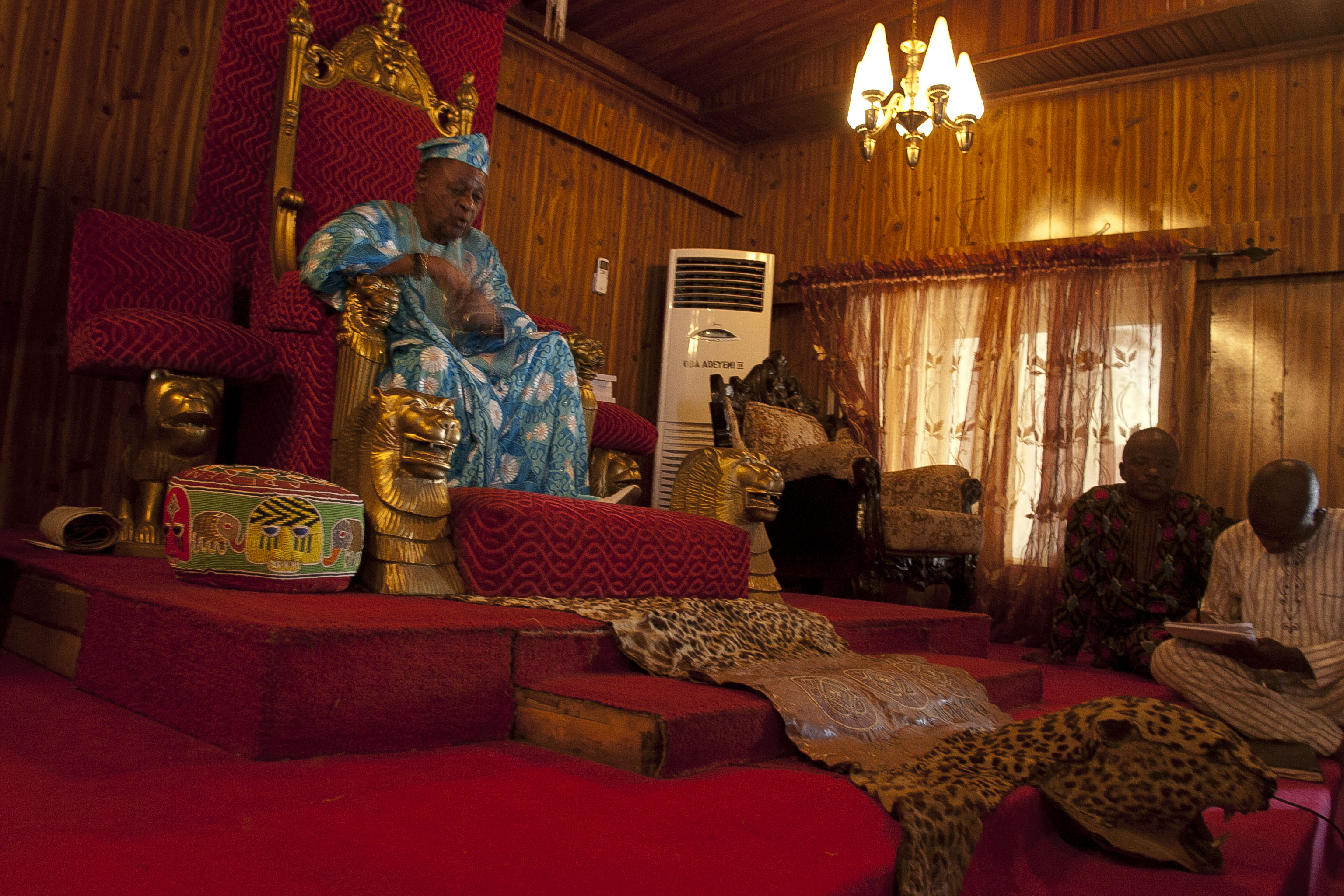
To many people, a traditional Yoruba palace is simply the residence of a king. In reality, it has always been much more than that. The palace, known in Yoruba as Ààfin, served as the political, judicial, cultural, and spiritual heart of the kingdom. It was where decisions were made, disputes were settled, ceremonies were held, visitors were received, and traditions were preserved.
From sunrise until nightfall, the palace was a place of constant activity. Kings, chiefs, palace officials, artisans, priests, messengers, guards, musicians, and ordinary citizens all played roles in its daily life. Every activity followed established customs that reflected the values of order, respect, and communal responsibility.
The Palace as the Centre of Government
The palace was the headquarters of government.
Here, the ruler met regularly with:
* Senior chiefs. * Palace officials. * Military leaders. * Religious advisers. * Community representatives.
Important matters discussed included:
* Public welfare. * Trade. * Security. * Diplomacy. * Taxation. * Festivals. * Relations with neighbouring kingdoms.
Many decisions were made through consultation rather than by the king acting alone.
The King's Morning Routine
A traditional ruler's day often began with private rituals and consultations.
Depending on the customs of the kingdom, the king might:
* Receive greetings from palace officials. * Offer prayers or participate in traditional observances. * Meet trusted advisers. * Review reports from different parts of the kingdom. * Prepare for the day's public duties.
These morning activities reflected the belief that leadership required both spiritual reflection and practical planning.
The Palace Courtyard
The central courtyard was one of the busiest parts of the palace.
Throughout the day it hosted:
* Meetings. * Public ceremonies. * Greetings from visitors. * Royal announcements. * Cultural performances. * Community gatherings.
The courtyard symbolised openness between the ruler and the people, while still observing the dignity of the royal institution.
Chiefs and Palace Officials
Many officials worked within the palace to ensure that government functioned smoothly.
These included:
* Senior chiefs. * Royal messengers. * Palace guards. * Record keepers of oral traditions. * Household supervisors. * Ceremonial attendants.
Each office carried clearly defined responsibilities that had often been passed down through generations.
Receiving Visitors
People visited the palace every day for many reasons.
Visitors included:
* Farmers seeking justice. * Traders requesting permission or support. * Chiefs reporting local affairs. * Foreign envoys. * Religious leaders. * Members of the royal family.
Formal greetings and court etiquette were carefully observed, demonstrating respect for both the ruler and the institution of kingship.
Justice in the Palace
The palace also functioned as a court of law.
Disputes involving land, inheritance, marriage, trade, or community relations could be brought before chiefs or, in more significant cases, before the ruler.
Judgements were generally based on:
* Customary law. * Community values. * Witness testimony. * Reconciliation. * Fairness.
The aim was often to restore harmony rather than simply punish wrongdoing.
Music, Praise Poetry, and Ceremony
Music was an essential part of palace life.
Professional performers entertained guests and preserved history through:
* Talking drums. Praise poetry (oríkì*). * Songs. * Dance. * Ceremonial performances.
These performances celebrated the achievements of the kingdom, honoured ancestors, and reinforced cultural identity.
The Palace as a Centre of Learning
The palace was also a place where knowledge was passed from one generation to the next.
Young princes, princesses, and palace attendants learned:
* Royal history. * Genealogies. * Court etiquette. * Diplomacy. * Leadership. * Traditional ceremonies. * Oral literature.
Elders played an important role in ensuring that customs and historical knowledge were preserved.
Women in the Palace
Women held important responsibilities within palace life.
Depending on the kingdom, royal women and female title holders helped to:
* Supervise sections of the royal household. * Organise ceremonies. * Advise the ruler. * Manage palace affairs. * Support charitable activities. * Represent the interests of women in the wider community.
Figures such as the queen mother and the Iyalode could exercise considerable influence in political and social matters.
Festivals and Public Celebrations
On festival days, the palace became the centre of public celebration.
Activities often included:
* Royal processions. * Traditional music. * Religious ceremonies. * Cultural dances. * Community feasts. * Public blessings.
These occasions strengthened the bond between the ruler and the people while celebrating the kingdom's shared heritage.
Evening in the Palace
As evening approached, official business gradually came to an end.
The palace became quieter as:
* Visitors departed. * Guards took up their night duties. * Families gathered within the royal compound. * Elders shared stories and advice. * Preparations were made for the following day.
Although less busy than during daylight hours, the palace remained a place of order and vigilance.
A Living Institution
Many traditional Yoruba palaces continue to serve as important cultural institutions today.
While their political authority has changed within Nigeria's modern constitutional system, they remain centres for:
* Cultural preservation. * Community leadership. * Traditional ceremonies. * Conflict resolution. * Historical education.
Palaces such as those in Ile-Ife, Oyo, Ijebu Ode, and Akure continue to reflect centuries of Yoruba tradition.
Conclusion
Daily life inside a traditional Yoruba palace was a carefully organised blend of governance, justice, education, ceremony, and community service. Far from being merely a royal residence, the Ààfin was the heart of the kingdom, where political decisions were made, cultural traditions were preserved, disputes were resolved, and future leaders were prepared for their responsibilities.
The constant rhythm of meetings, rituals, music, learning, and public engagement reflected the Yoruba belief that leadership is a sacred duty rooted in wisdom, accountability, and service. Although the role of traditional palaces has evolved over time, they remain enduring symbols of Yoruba civilisation and continue to preserve the history, values, and identity of one of Africa's most remarkable cultures.