Introductio
For the Yoruba people, Ile-Ife is far more than an ancient city. It is revered in Yoruba tradition as the cradle of creation, the ancestral home of many Yoruba kingdoms, and the spiritual centre of Yoruba civilisation. While oral traditions tell of the city's sacred origins, archaeology provides another window into its remarkable past.
Over the last century, archaeological excavations have revealed that Ile-Ife was already a thriving urban centre many centuries before European contact. Excavated artefacts, sculptures, furnaces, glass-making workshops, and settlement remains demonstrate that the city possessed advanced artistic, technological, religious, and political traditions.
Together, archaeology and oral history paint a picture of one of Africa's greatest early civilisations.
Why Archaeology Matters
Archaeology helps historians understand societies that left few written records.
By studying:
* Pottery. * Metal objects. * Glass beads. * Terracotta sculptures. * Building remains. * Charcoal and organic materials.
Researchers can reconstruct how ancient communities lived, traded, worshipped, and governed themselves.
In the case of Ile-Ife, archaeology has confirmed that the city was an important centre of civilisation long before the arrival of Europeans.
The Earliest Human Settlement
Archaeological evidence suggests that people were living in the Ile-Ife area by around the first millennium CE, with increasingly complex settlements developing over time.
Excavations have uncovered:
* Domestic pottery. * Iron-working remains. * Stone tools. * Evidence of farming. * Residential structures.
By approximately the 11th century, Ile-Ife had developed into a significant urban centre with specialised crafts and organised political authority.
The Famous Terracotta and Bronze Heads
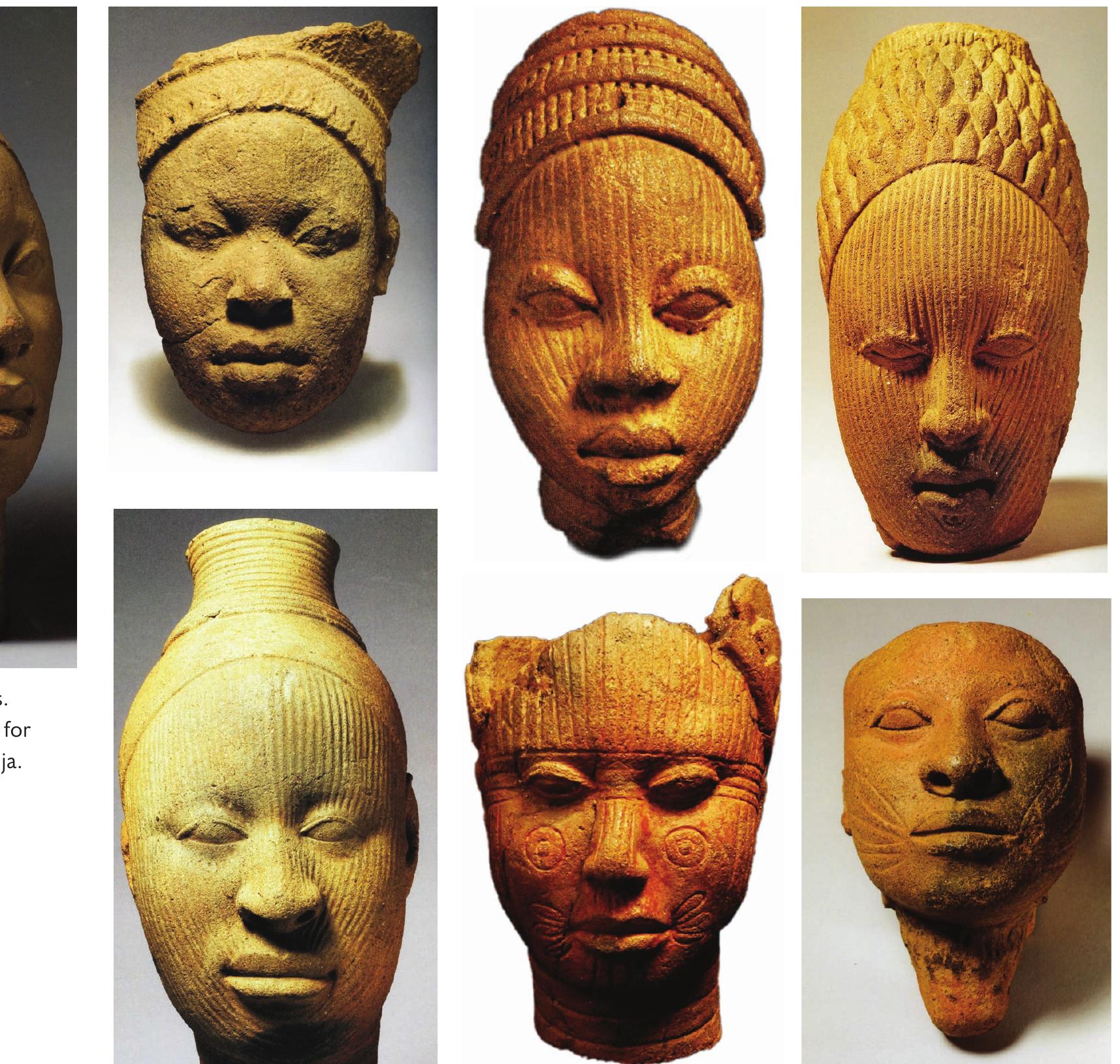
Among the most celebrated discoveries from Ile-Ife are its extraordinary bronze and terracotta sculptures.
These artworks are renowned because of their:
* Remarkable realism. * Technical sophistication. * Detailed facial features. * Refined craftsmanship. * Natural proportions.
Created between approximately the 12th and 15th centuries, these sculptures challenged earlier assumptions that highly naturalistic metal casting could not have developed independently in sub-Saharan Africa.
Today they are regarded as masterpieces of world art.
Igbo Olokun and Ancient Glass Production
One of the most important archaeological discoveries in recent decades has been the excavation of Igbo Olokun.
Researchers found evidence that ancient craftsmen in Ile-Ife were producing glass beads locally rather than relying entirely on imported materials.
Excavations uncovered:
* Glass furnaces. * Glass waste. * Raw materials. * Thousands of beads. * Production tools.
These discoveries demonstrate that Ile-Ife was an important centre of technological innovation and specialised manufacturing.
Ironworking and Technology
Archaeological evidence also reveals sophisticated ironworking traditions.
Ancient blacksmiths produced:
* Farming tools. * Hunting equipment. * Household implements. * Ritual objects. * Weapons.
Iron technology supported agriculture, trade, construction, and political organisation throughout the region.
Its development contributed significantly to the growth of the city.
Urban Planning in Ancient Ife
Excavations indicate that Ile-Ife was not simply a collection of villages but a carefully organised urban settlement.
Researchers have identified evidence of:
* Planned residential areas. * Sacred spaces. * Roads and pathways. * Craft production districts. * Public ceremonial areas.
This level of organisation reflects a sophisticated political and social system capable of coordinating large communities.
Connections with Other Regions
Archaeological finds suggest that Ile-Ife participated in extensive regional trade networks.
Items recovered include materials linked to:
* Other Yoruba communities. * The West African forest region. * The Niger Basin. * Trans-Saharan exchange networks.
Glass beads, metals, and imported goods indicate that the city was connected to wider commercial systems while maintaining its own highly developed local industries.
Archaeology and Yoruba Oral Tradition
Archaeology and oral tradition answer different kinds of historical questions.
Oral traditions explain:
* Origins. * Sacred history. * Royal genealogy. * Cultural identity.
Archaeology provides evidence for:
* Settlement patterns. * Technology. * Art. * Trade. * Daily life.
Rather than competing, these two sources often complement one another, offering a richer understanding of ancient Ile-Ife.
Why These Discoveries Matter
The archaeological discoveries at Ile-Ife have transformed global understanding of African history.
They demonstrate that:
* Complex urban societies flourished in West Africa long before colonialism. * African artists mastered advanced bronze casting techniques. * Indigenous industries supported technological innovation. * Yoruba civilisation contributed significantly to world cultural heritage. * African history is best understood through both scientific research and indigenous knowledge.
These findings continue to inspire new generations of historians, archaeologists, and cultural scholars.
Conclusion
The earliest archaeological evidence from Ile-Ife reveals a civilisation of extraordinary sophistication. From early settlements and ironworking to world-renowned bronze sculptures and locally produced glass beads, the discoveries show that Ife was a major centre of innovation, craftsmanship, and urban development between the first and second millennia CE. Sites such as Igbo Olokun continue to reshape our understanding of Africa's technological and artistic achievements.
When considered alongside Yoruba oral traditions, these archaeological findings offer a more complete picture of Ile-Ife's enduring legacy. They affirm the city's importance not only as a sacred centre in Yoruba culture but also as one of the most significant archaeological and historical sites in Africa. Through ongoing research and preservation, ancient Ile-Ife continues to illuminate the depth, creativity, and resilience of Yoruba civilisation for the world to appreciate.