Introduction
The story of the Egba people and the founding of Abeokuta is one of migration, resilience, survival, and identity. It is a history shaped by conflict and courage, but also by unity and determination.
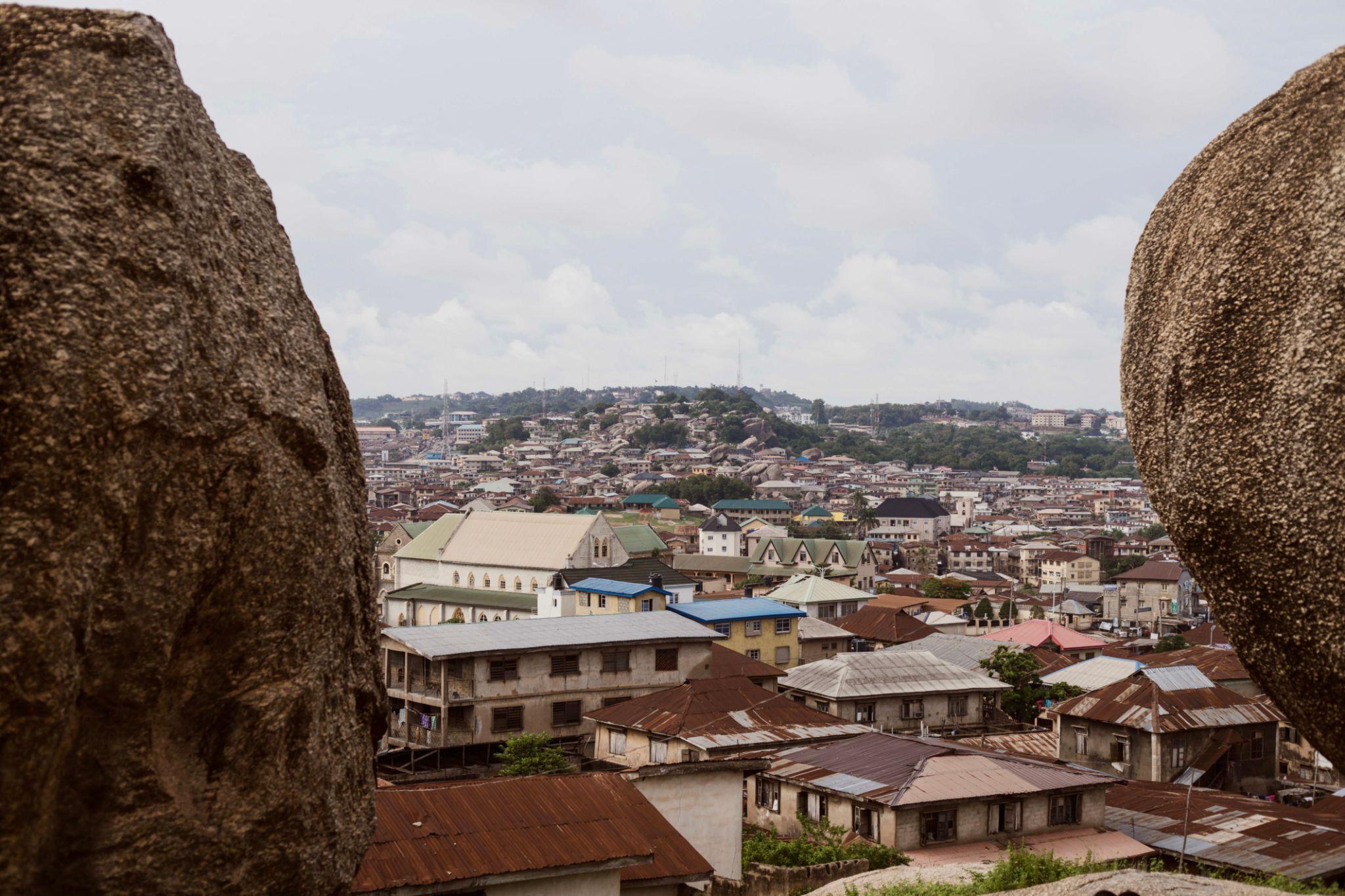
Today, Abeokuta stands as one of the most historically important cities in Yorubaland, known for its cultural heritage, political influence, and iconic landscape dominated by Olumo Rock. Yet behind the modern city lies a powerful story of a people who sought refuge and built a thriving homeland from uncertainty.
Who Are the Egba People?
The Egba are a subgroup of the Yoruba people, traditionally located in what is now Ogun State in southwestern Nigeria. Historically, they were organized into several divisions, including:
* Ake * Oke Ona * Gbagura * Owu
Each division maintained its own leadership structure and identity while sharing common Yoruba language, customs, and traditions.
Before the founding of Abeokuta, many Egba communities lived in different settlements across Yorubaland. However, the nineteenth century brought major political instability that would dramatically reshape their history.
The Turbulent Nineteenth Century
The early nineteenth century was a period of upheaval in Yorubaland. The collapse of the old Oyo Empire created political instability and widespread warfare across the region.
Communities faced attacks, displacement, and insecurity as rival groups competed for power and territory. Slave raids and external threats added to the chaos, forcing many people to abandon their homes in search of safety.
For the Egba people, survival depended on finding a defensible location where they could regroup and rebuild.
The Journey to Abeokuta
Around the 1830s, the Egba people began migrating toward a rocky area surrounded by natural granite formations. This location would later become Abeokuta.
The name Abeokuta comes from the Yoruba phrase “Abé Òkúta,” meaning “under the rock.” The name reflects the city’s most famous landmark, Olumo Rock, which served as both shelter and fortress during times of conflict.
Olumo Rock provided strategic protection. From its heights, the Egba could monitor approaching enemies and defend themselves more effectively. Caves and hidden pathways within the rock also offered refuge during attacks.
What began as a place of safety gradually developed into a permanent settlement and eventually a major Yoruba city.
Olumo Rock: Symbol of Survival
More than a geographical feature, Olumo Rock became a symbol of protection, unity, and endurance for the Egba people.
According to oral traditions, spiritual guides and local hunters helped lead the Egba to the site. The rock was believed to offer not only physical security but also spiritual significance.
Even today, Olumo Rock remains one of the most important historical landmarks in Yorubaland. It stands as a reminder of the struggles and resilience of the people who built Abeokuta beneath its shadow.
Political Growth and Egba Leadership
As Abeokuta expanded, the Egba developed organized political structures and leadership systems. One of the most important traditional rulers became the Alake of Egbaland, a title associated with the Ake section of the Egba people.
Abeokuta soon grew into a center of commerce, diplomacy, and political activity. The city attracted traders, missionaries, and returnees from the African diaspora, particularly formerly enslaved Africans who had returned from Sierra Leone and Brazil.
This interaction contributed to the city’s development in education, religion, and architecture.
Abeokuta and Colonial Encounters
During the colonial era, Abeokuta became an important political and cultural center. Missionary activity introduced Christianity and Western education, while trade connections expanded the city’s influence.
Abeokuta also produced notable historical figures, including Funmilayo Ransome-Kuti, who played a major role in anti colonial and women’s rights movements in Nigeria.
The city’s history of resistance and independence remained visible throughout colonial rule.
Cultural Identity and Modern Abeokuta
Today, Abeokuta is known for its rich cultural heritage, traditional festivals, Adire textile production, and historical landmarks. The legacy of the Egba people remains deeply embedded in the city’s identity.
Cultural celebrations, oral traditions, and historical sites continue to preserve the memory of the journey that led to the founding of Abeokuta.
The city has grown into a modern urban center, but its origins under the rock remain central to its story.
Conclusion
The story of the Egba people and the founding of Abeokuta is a story of resilience in the face of uncertainty. Forced by conflict to seek refuge, the Egba transformed a rocky sanctuary into one of the most important cities in Yoruba history.
From the protective presence of Olumo Rock to the cultural vibrancy of modern Abeokuta, the city continues to reflect the strength, adaptability, and unity of its people.
It is a reminder that even in times of hardship, communities can rebuild, preserve their identity, and create lasting legacies for future generations.