Introduction
The story of Yoruba civilisation is, in many ways, the story of its settlements. Over thousands of years, Yoruba communities evolved from small farming villages into some of the most sophisticated urban centres in pre-colonial Africa. This transformation was shaped by agriculture, trade, technology, religion, migration, warfare, and political organisation.
From the earliest archaeological evidence in Ile-Ife to the rise of powerful kingdoms such as the Old Oyo Empire, the development of Yoruba settlements reflects the ingenuity and resilience of a people who adapted to changing environments while preserving a strong cultural identity.
The Earliest Communities
Archaeological evidence suggests that by the first millennium CE, communities were already living across much of present-day Yorubaland.
These early settlements were typically located near:
* Rivers and streams. * Fertile farmland. * Forest resources. * Natural trade routes.
The inhabitants relied on:
* Farming. * Hunting. * Fishing. * Pottery making. * Ironworking.
Their villages consisted of family compounds built from locally available materials such as earth, timber, and thatch.
The Growth of Permanent Villages
As agriculture became more productive, temporary settlements gradually developed into permanent villages.
This stability encouraged:
* Population growth. * Extended family compounds. * Local leadership. * Regular markets. * Religious shrines. * Community cooperation.
Villages became centres of both economic activity and social life, laying the foundation for larger towns.
The Rise of Sacred and Political Centres
Between the 10th and 12th centuries, some settlements grew into important political and spiritual centres.
The most prominent was Ile-Ife, which became renowned for:
* Royal authority. * Religious institutions. * Bronze and terracotta sculpture. * Glass bead production. * Skilled craftsmanship.
Its influence spread across Yorubaland, and many royal traditions trace their origins to Ife.
The Emergence of Great Kingdoms
As populations increased and political systems became more organised, several powerful kingdoms emerged.
These included:
* The Old Oyo Empire. * The Ijebu Kingdom. * The Ondo Kingdom. * The Ijẹ̀ṣà Kingdom. * The Owo Kingdom. * Ekiti kingdoms.
Each kingdom developed its own political institutions while sharing many cultural and religious traditions with other Yoruba states.
Urbanisation and Planned Cities
Over time, many Yoruba settlements became large, organised cities.
Typical features included:
* A central royal palace. * Large marketplaces. * Residential quarters. * Sacred groves. * Roads linking different districts. * Defensive walls and moats.
These urban centres supported thousands of inhabitants and served as hubs of administration, commerce, and religion.
Trade and Economic Expansion
Trade played a vital role in the growth of Yoruba settlements.
Merchants exchanged:
* Kola nuts. * Textiles. * Iron tools. * Pottery. * Palm oil. * Beads. * Agricultural products.
Trade routes linked Yoruba towns with neighbouring peoples, including the Benin Kingdom, Nupe, Hausa states, and coastal communities, contributing to economic prosperity and cultural exchange.
Warfare and the Founding of New Settlements
The nineteenth century brought significant upheaval to Yorubaland.
Conflicts, including the Yoruba civil wars, led to the establishment of new settlements as people sought security and stability.
Notable examples include:
* Ibadan, founded as a military camp that grew into a major city. * Abeokuta, established by the Egba around Olumo Rock as a refuge from warfare.
These cities quickly developed into influential political and commercial centres.
Colonial Rule and Urban Transformation
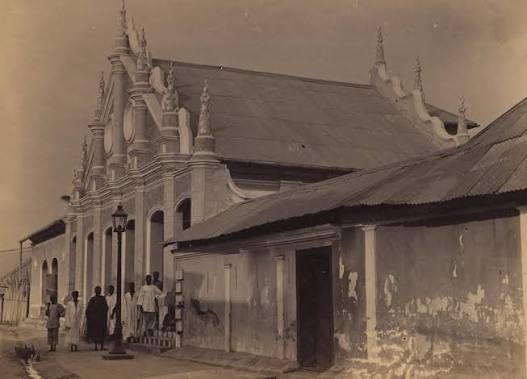
The arrival of British colonial administration in the late nineteenth century introduced new forms of urban development.
Colonial authorities established:
* Administrative offices. * Railways. * Modern roads. * Schools. * Hospitals.
While these changes altered the physical layout of many towns, traditional institutions such as palaces, markets, and festivals continued to play important roles in community life.
Yoruba Settlements Today
Today, Yoruba settlements range from historic towns to some of Africa's largest metropolitan areas.
Cities such as Lagos, Ibadan, Abeokuta, and Akure continue to grow while preserving elements of their historical heritage.
Traditional palaces, markets, festivals, and family compounds remain visible reminders of centuries of continuous settlement.
Legacy of Yoruba Settlement Development
The evolution of Yoruba settlements demonstrates a remarkable continuity of culture and innovation.
Across the centuries, Yoruba communities successfully adapted to changing political, economic, and environmental conditions while maintaining core institutions such as kingship, family compounds, marketplaces, and religious traditions. This continuity has allowed many ancient towns to remain vibrant centres of culture into the twenty-first century.
Conclusion
The evolution of Yoruba settlements is a testament to the creativity, resilience, and organisational skill of one of Africa's oldest urban civilisations. From small farming communities in the first millennium CE to the rise of powerful kingdoms centred on Ile-Ife, the Old Oyo Empire, and other historic cities, the Yoruba developed settlements that balanced governance, commerce, spirituality, and community life.
Although colonial rule introduced new patterns of urban growth, it built upon landscapes that had already been shaped by centuries of indigenous planning and development. The enduring presence of traditional palaces, markets, festivals, and royal institutions across Yorubaland highlights the lasting legacy of these settlements and their central place in the history of West Africa.