Introduction
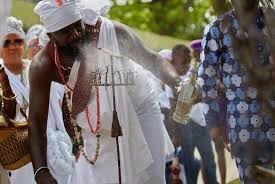
For centuries, the spiritual traditions of the Yoruba people have endured extraordinary challenges. Colonialism, the transatlantic slave trade, missionary activity, and the rapid spread of global religions all transformed the religious landscape of West Africa and its diaspora. Yet despite these changes, Ifá and the wider Yoruba spiritual tradition never disappeared.
Instead, they survived in homes, sacred groves, family lineages, and diaspora communities across the Atlantic. In recent decades, these traditions have experienced a remarkable revival. Today, people from Africa, the Caribbean, Latin America, North America, Europe, and even Asia are studying Ifá, learning the Yoruba language, participating in festivals, and reconnecting with the spiritual heritage of Yorubaland.
This revival is not simply about religion. It is also about cultural identity, historical memory, academic research, environmental stewardship, and the preservation of one of Africa's oldest knowledge systems.
Understanding Ifá
Ifá is the Yoruba system of divination, philosophy, ethics, and sacred knowledge. It is traditionally associated with Ọ̀rúnmìlà, the Òrìṣà of wisdom, knowledge, and destiny.
At its heart, Ifá is an extensive body of oral literature containing teachings on:
* Morality. * Leadership. * Family life. * Justice. * Health. * Conflict resolution. * Human relationships. * The balance between humanity and nature.
For generations, this knowledge has been preserved and transmitted by trained Babaláwo (male Ifá priests) and Ìyánífá (female Ifá practitioners in traditions that recognise their initiation).
Why the Revival Is Happening
Several factors have contributed to the renewed global interest in Ifá and Yoruba spirituality.
These include:
* A growing desire among people of African descent to reconnect with their ancestral heritage. * Increased academic research into African religions. * Easier global communication through the internet and social media. * Greater acceptance of indigenous religions. * Cultural exchanges between Nigeria and diaspora communities. * The recognition of African knowledge systems as valuable intellectual traditions.
For many people, learning about Ifá has become part of a broader journey of rediscovering African history and identity.
The Role of the African Diaspora
Communities in the African diaspora have played a major role in preserving and revitalising Yoruba spirituality.
Countries where Yoruba traditions continue to flourish include:
* Brazil, through Candomblé. * Cuba, through Santería and the Lucumí tradition. * Trinidad and Tobago, through the Orisha religion. * The United States, where many temples and cultural organisations have been established. * Puerto Rico, Venezuela, Mexico, and other parts of Latin America.
Many practitioners now travel regularly to Nigeria to study with traditional religious leaders and strengthen ties with Yorubaland.
The Return to Yorubaland
One of the most visible aspects of the revival is the growing number of international visitors to Yorubaland.
Pilgrims, researchers, and students travel to places such as:
* Ile-Ife. * Osun-Osogbo Sacred Grove. * Oyo. * Abeokuta. * Other historic Yoruba communities.
They come to:
* Learn Ifá traditions. * Study the Yoruba language. * Attend festivals. * Visit sacred sites. * Build relationships with traditional custodians.
These exchanges have strengthened connections between Africa and the global Yoruba diaspora.
Technology and the Digital Age
Modern technology has transformed access to Yoruba knowledge.
Today, people can:
* Attend online Yoruba language classes. * Participate in virtual lectures on Ifá philosophy. * Read digitised manuscripts. * Watch traditional ceremonies shared by cultural organisations. * Connect with teachers across continents.
While many aspects of initiation and ritual remain private and are taught only within appropriate religious settings, digital platforms have made historical and cultural education far more accessible.
Academic Recognition of Ifá
Universities around the world increasingly recognise Ifá as a sophisticated intellectual tradition.
Researchers study its contributions to:
* Philosophy. * Ethics. * Linguistics. * Oral literature. * History. * Anthropology. * Religious studies. * Environmental knowledge.
Scholars have highlighted the complexity of the Ifá corpus and its importance as one of the world's great oral knowledge systems.
This growing academic interest has encouraged a broader appreciation of Yoruba civilisation.
Ifá and Cultural Identity
For many people, especially within the African diaspora, the revival of Ifá is closely connected to questions of identity.
Learning about Yoruba spirituality often leads to a wider exploration of:
* Yoruba history. * Traditional names. * Music. * Art. * Proverbs. * Festivals. * Family ancestry.
This process helps many individuals reconnect with aspects of their heritage that were disrupted by slavery, colonialism, or migration.
Challenges Facing the Revival
Despite its growth, the revival of Ifá also faces important challenges.
These include:
* Misconceptions about Yoruba religion. * Commercialisation of sacred practices. * Loss of fluent Yoruba speakers in some diaspora communities. * The need to preserve oral traditions accurately. * Balancing openness with respect for sacred knowledge.
Traditional custodians and scholars continue to emphasise the importance of learning from knowledgeable practitioners and approaching the tradition with respect.
Ifá in the Twenty-First Century
Today, Ifá is practised and studied on every inhabited continent.
It continues to evolve while remaining rooted in its traditional foundations.
Its teachings on:
* Personal responsibility. * Ethical living. * Community. * Respect for nature. * Wisdom. * Balance.
continue to resonate with people from many different cultural backgrounds.
Rather than being viewed solely as an ancient religion, Ifá is increasingly recognised as a living tradition that offers enduring insights into the human condition.
Conclusion
The global revival of Ifá and Yoruba spirituality is one of the most significant cultural developments of recent decades. After surviving centuries of displacement, suppression, and misunderstanding, these traditions are once again attracting people from around the world who seek knowledge, identity, and a deeper understanding of African civilisation.
From the sacred teachings of Ọ̀rúnmìlà to the vibrant festivals of Yorubaland and the diaspora, Ifá continues to unite communities across continents. Its philosophy, oral literature, ethical teachings, and spiritual practices remain a source of inspiration for millions.
The revival of Ifá is therefore more than a return to an ancient tradition. It is a reaffirmation of the enduring value of Yoruba knowledge, culture, and spirituality. As new generations embrace this heritage with respect and curiosity, they ensure that the wisdom of Ifá will continue to guide, educate, and inspire people far beyond the land where it first emerged.