Introduction
Music has always been at the heart of Yoruba civilisation. It is far more than entertainment. It is a language through which history is remembered, prayers are offered, kings are honoured, children are welcomed, ancestors are celebrated, and communities are united.
For centuries, Yoruba musicians have used drums, chants, songs, praise poetry, and dance to communicate ideas that words alone cannot express. These traditions travelled far beyond West Africa during the transatlantic slave trade and later through migration, cultural exchange, and the global success of Nigerian music.
Today, the influence of Yoruba culture can be heard in genres as diverse as Afrobeat, jazz, salsa, samba, reggae, Latin music, gospel, and contemporary Afrobeats. Its rhythms echo in concert halls, churches, festivals, recording studios, and dance floors across the world.
The story of Yoruba music is therefore not simply a Nigerian story. It is part of the story of global music itself.
Music in Traditional Yoruba Society
In traditional Yoruba society, music accompanies nearly every stage of life.
It plays an important role in:
* Naming ceremonies. * Weddings. * Festivals. * Religious worship. * Funerals. * Royal coronations. * Harvest celebrations. * Community gatherings.
Rather than existing separately from everyday life, music is woven into the social and spiritual fabric of the community.
Every performance carries meaning, whether celebrating joy, expressing grief, honouring a leader, or invoking divine blessings.
The Talking Drum: Music That Speaks
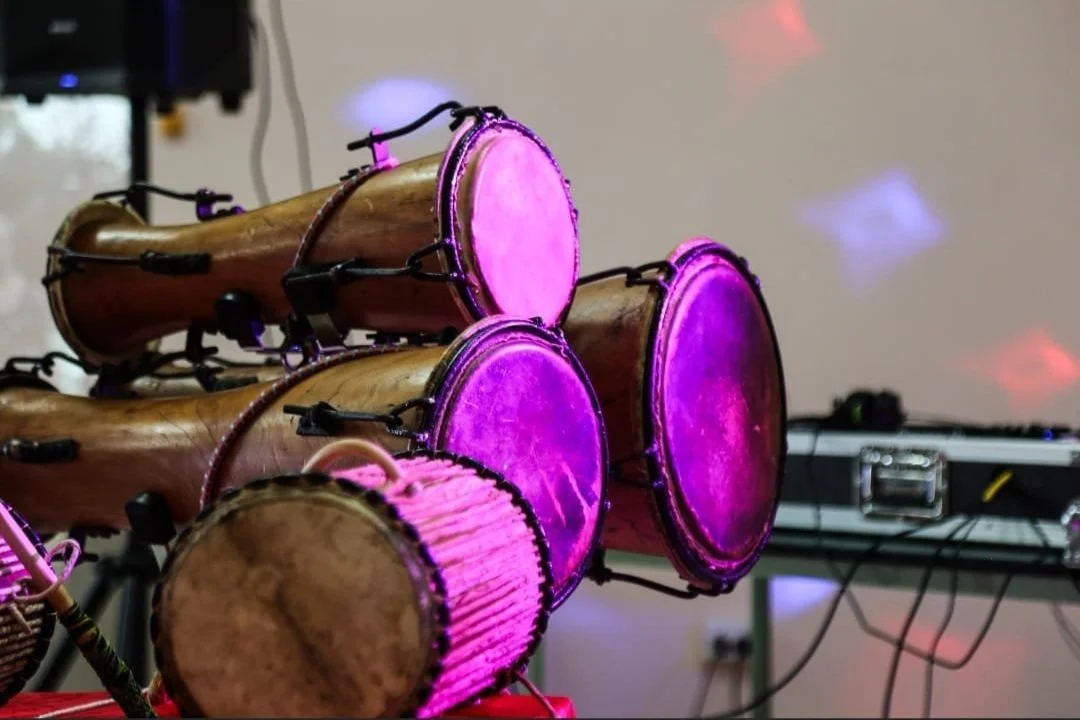
One of the Yoruba people's greatest musical contributions is the talking drum, known as the gángan, which belongs to the larger dùndún family of drums.
Because the Yoruba language is tonal, skilled drummers can imitate speech by adjusting the drum's pitch while playing.
Talking drums have traditionally been used to:
* Deliver messages. Perform praise poetry (oríkì*). * Announce ceremonies. * Accompany dancers. * Honour kings and chiefs.
This extraordinary fusion of language and music has fascinated musicians and scholars around the world and continues to inspire performers across many genres.
Sacred Music and the Òrìṣà
In Yoruba spirituality, music is an essential part of worship.
Every Òrìṣà has a distinctive:
* Rhythms. * Songs. * Dance movements. * Ceremonial instruments.
Sacred drumming is not performed simply for enjoyment. It is an act of devotion and a means of expressing reverence.
This relationship between music and spirituality travelled with Yoruba descendants to the Americas, where it continues in Afro-descendant religious traditions.
Yoruba Music in Brazil and Cuba
When Yoruba people were forcibly taken across the Atlantic, they carried their musical traditions with them.
In Brazil, Yoruba rhythms became central to Candomblé ceremonies.
In Cuba, sacred drumming remains fundamental to Santería and the Lucumí tradition.
Many ritual songs continue to preserve Yoruba words and melodies that have survived for generations.
These musical traditions have also influenced popular Brazilian and Cuban music, helping to shape the rich cultural identities of both nations.
The Birth of Afrobeat
One of the most influential modern expressions of Yoruba musical heritage is Fela Kuti's creation of Afrobeat.
Drawing on Yoruba rhythms, traditional percussion, highlife, jazz, and funk, Fela developed a revolutionary musical style that transformed African popular music.
Afrobeat featured:
* Complex percussion. * Call-and-response singing. * Extended instrumental sections. * Social and political commentary. * Strong Yoruba musical influences.
Today, Afrobeat continues to inspire musicians across Africa and beyond.
The Rise of Afrobeats
Modern Afrobeats—distinct from Fela's Afrobeat—has become one of the world's fastest-growing musical movements.
Many of its biggest stars proudly celebrate their Yoruba heritage, including:
* Wizkid * Davido * Asake * Adekunle Gold
Their music frequently incorporates:
* Yoruba lyrics. * Traditional proverbs. * Indigenous percussion. * Call-and-response patterns. * Local expressions and storytelling.
As a result, millions of listeners around the world encounter Yoruba language and culture through contemporary popular music.
Yoruba Rhythms in Jazz and Latin Music
Yoruba rhythmic traditions have influenced numerous international musical genres.
Through Afro-Cuban and Afro-Brazilian traditions, Yoruba drumming helped shape aspects of:
* Jazz. * Salsa. * Latin jazz. * Samba. * Rumba.
The complex polyrhythms developed in Yoruba musical practice became important building blocks for many forms of modern percussion.
Musicians around the world continue to study these rhythms because of their sophistication and expressive power.
Call and Response
One of the defining features of Yoruba music is the use of call-and-response.
In this style:
* A lead singer introduces a phrase. * The group responds. * The pattern continues throughout the performance.
This musical structure encourages participation and strengthens the connection between performers and audiences.
Today, call and response remains common in:
* Gospel music. * Blues. * Jazz. * African popular music. * Caribbean traditions.
Its widespread use reflects the enduring influence of African musical heritage.
Yoruba Instruments on the World Stage
Traditional Yoruba instruments have gained international recognition.
Among the best known are:
* Gángan (talking drum). * Batá drums. * Ṣẹ̀kẹ̀rẹ̀ (beaded gourd rattle). * Agogo (double iron bell).
These instruments are now used by musicians across the globe in genres ranging from jazz and classical fusion to world music and contemporary pop.
Their distinctive sounds continue to inspire new generations of performers.
Yoruba Music in Film and Popular Culture
Yoruba music increasingly appears in:
* International films. * Television productions. * Video games. * Cultural festivals. * University music programmes.
Global interest in African music has encouraged many composers and producers to explore Yoruba rhythms, instruments, and vocal traditions.
This growing visibility has helped introduce Yoruba culture to audiences far beyond Africa.
Preserving a Living Heritage
Across Nigeria and the African diaspora, musicians, scholars, and cultural organisations continue to preserve Yoruba musical traditions.
Young performers are learning:
* Traditional drumming. * Indigenous songs. * Praise poetry. * Instrument making. * Festival performances.
At the same time, contemporary artists continue to innovate, demonstrating that Yoruba music remains a living and evolving tradition.
Conclusion
The influence of Yoruba culture on global music is profound and enduring. From the sacred rhythms of traditional worship to the worldwide success of Afrobeats, Yoruba musical traditions have crossed oceans, shaped genres, and inspired countless artists.
Whether heard in the talking drum of a village ceremony, the Batá rhythms of Havana, the sacred chants of Salvador, the jazz clubs of New York, or the sold-out arenas hosting Nigerian superstars, the heartbeat of Yoruba music continues to resonate across the world.
This enduring legacy reminds us that music is more than sound. It is memory, identity, history, and connection. Through rhythm, melody, and language, the Yoruba people have given the world a rich musical heritage that continues to unite cultures and generations.