Introduction
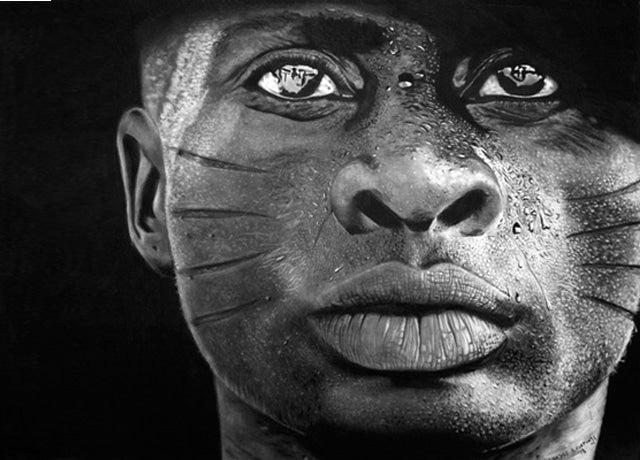
Tribal marks, known in Yoruba as ilà or àmì ojú, were once an important part of identity, culture, lineage, beauty, and social recognition among the Yoruba people. For centuries before modern identification systems, these facial and body markings served as visible symbols connecting individuals to their family, hometown, ancestry, social status, and heritage.
Among the Yoruba, tribal marks were not random scars. Each pattern carried historical, cultural, spiritual, and social meaning. Different kingdoms, towns, and lineages developed distinctive markings that helped identify where a person came from and the community to which they belonged.
Although the practice has greatly declined in modern times due to changing social attitudes, education, urbanization, religion, and legal concerns, tribal marks remain an important part of Yoruba history and cultural memory.
What Are Yoruba Tribal Marks?
Yoruba tribal marks are permanent incisions traditionally made on the face or body using sharp instruments during childhood.
The marks were usually created through small cuts that healed into visible scar patterns.
They served multiple purposes including:
* Identification * Beauty enhancement * Spiritual protection * Ethnic identity * Social belonging * Lineage recognition
In periods before passports, birth certificates, or modern records, tribal marks helped identify individuals during travel, migration, trade, war, or slavery.
Historical Origins of Tribal Marks
The origins of tribal marking among the Yoruba go back many centuries.
Historians believe the practice became especially important during periods of:
* Inter-kingdom warfare * Migration * Slave raids * Trade expansion * Political instability
Distinct facial patterns helped people quickly recognize:
* Family origins * Ethnic affiliations * Royal lineage * Community membership
During the transatlantic slave trade, tribal marks sometimes became one of the few remaining identifiers linking enslaved Africans to their ancestral homeland.
Tribal Marks as Identity Symbols
Among the Yoruba, identity was deeply connected to lineage and ancestry.
Tribal marks therefore symbolized:
* Family history * Clan heritage * Community pride * Ancestral continuity
People could often identify another person’s hometown or lineage simply by observing facial marks.
The markings functioned almost like cultural signatures.
Popular Yoruba Tribal Marks
Gọ̀mbọ́ Marks
One of the best-known Yoruba tribal marks is Gọ̀mbọ́.
These usually consist of:
* Vertical lines * Horizontal cheek patterns * Multiple facial incisions
Different variations existed across towns and families.
Gọ̀mbọ́ marks were common among several Yoruba subgroups and often indicated strong lineage identity.
Abàjà Marks
Abàjà marks are among the most recognizable Yoruba facial patterns.
They commonly involve:
* Three or four horizontal lines on each cheek
These marks became especially associated with groups connected to:
* Oyo * Ibadan * Other central Yoruba regions
Abàjà marks often symbolized nobility, bravery, and community identity.
Pélé Marks
Pélé marks are usually lighter and more decorative in appearance.
They often include:
* Small short lines * Delicate cheek incisions
These marks were sometimes associated with beauty and elegance rather than strong ethnic identification alone.
In some communities, Pélé marks were considered aesthetically attractive.
Kéké or Kẹ́kẹ́ Marks
Kéké marks often involved smaller or minimal facial incisions.
The style varied between regions and lineages, but they generally served the same purposes of identity and cultural belonging.
Tribal Marks and Spiritual Protection
In some Yoruba traditions, tribal marks were believed to possess spiritual significance.
Certain markings were associated with:
* Protection from evil * Spiritual identification * Ancestral connection * Healing beliefs
Some families believed marks could help protect children spiritually or ensure ancestral recognition.
Traditional healers sometimes combined scarification with herbal medicine or spiritual rituals.
Tribal Marks and Beauty Standards
Historically, tribal marks were sometimes regarded as signs of beauty and maturity.
In some communities:
* Marks enhanced attractiveness * Facial patterns symbolized elegance * Scarification represented courage and endurance
Beauty standards varied across Yoruba regions and historical periods.
What modern society may view differently today was once considered culturally admirable and prestigious.
Tribal Marks During the Slave Trade
During the transatlantic slave trade, tribal marks became important historical identifiers.
Enslaved Yoruba people transported to Brazil, Cuba, Haiti, and other parts of the Americas sometimes retained their facial markings.
Historians and anthropologists later used these marks to trace African ethnic origins among diaspora populations.
In some cases, tribal marks helped preserve cultural memory after displacement from Africa.
Colonialism and Changing Attitudes
During colonial rule and modernization, attitudes toward tribal marks began changing significantly.
Several factors contributed to decline:
* Western education * Christianity and Islam * Urbanization * Medical concerns * Social discrimination * Modern beauty standards
Colonial authorities and missionaries often discouraged scarification practices, portraying them as primitive or uncivilized.
Over time, many Yoruba families stopped giving tribal marks to children.
Modern Perception of Tribal Marks
Today, tribal marks are far less common among younger Yoruba generations.
Modern attitudes vary widely.
Some people view tribal marks as:
* Important cultural heritage * Historical identity symbols * Artistic traditions
Others associate them with:
* Old-fashioned practices * Social stigma * Painful childhood experiences
Despite declining practice, many elders still proudly preserve their marks as symbols of ancestry and identity.
Tribal Marks in Yoruba Art and Memory
Tribal marks continue appearing in:
* Yoruba sculpture * Paintings * Photography * Films * Literature * Historical research
Artists and scholars increasingly study them as part of African visual culture and identity history.
The marks remain powerful reminders of pre-colonial Yoruba civilization and indigenous identity systems.
Cultural Sensitivity and Human Rights
Modern discussions about tribal marks also involve ethical questions surrounding:
* Consent * Children’s rights * Bodily autonomy * Health concerns
Many contemporary Yoruba families prefer cultural preservation through language, festivals, attire, and naming traditions rather than permanent scarification.
This reflects the evolving nature of culture over time.
Conclusion
Yoruba tribal marks were historically powerful symbols of identity, ancestry, beauty, spirituality, and community belonging. Through patterns such as Abàjà, Gọ̀mbọ́, Pélé, and Kéké, generations of Yoruba people carried visible connections to their lineage and homeland.
Although the practice has greatly declined in modern society, tribal marks remain an important part of Yoruba cultural history and historical memory. They reflect the complexity, sophistication, and evolving nature of Yoruba identity across centuries of social change.