Introduction
The founding of the Ondo Kingdom is one of the most fascinating stories preserved in Yoruba oral tradition. Unlike many kingdoms that trace their origins to a male prince, Ondo's traditions place a royal woman at the centre of its foundation. This unique narrative has shaped the identity of the Ondo people for centuries and continues to be celebrated in festivals, royal ceremonies, and historical accounts.
Although the details vary among different versions of the tradition, they consistently connect the origins of the kingdom to Ile-Ife, the ancestral homeland of the Yoruba people. Modern historians study these oral traditions alongside archaeology, linguistics, and historical records to gain a fuller understanding of Ondo's early history.
The Journey from Ile-Ife
According to Ondo tradition, the kingdom was founded by Pupupu, a princess of Ile-Ife and a descendant of Oduduwa.
She is said to have left Ile-Ife with a group of followers, chiefs, and attendants to establish a new settlement. Like many Yoruba migration traditions, the journey symbolised both the expansion of the Yoruba people and the creation of new centres of political authority.
The prominence of Pupupu in these traditions makes the founding story of Ondo distinctive within Yoruba history.
The Story of the Twins
One of the most widely told traditions explains that Princess Pupupu gave birth to twins.
At the time, some communities regarded the birth of twins with fear or suspicion. According to Ondo oral tradition, this led to tensions that contributed to Pupupu leaving Ile-Ife to establish a new settlement.
Other versions of the story emphasise political circumstances or royal succession rather than the birth of twins.
Because these accounts have been transmitted orally for generations, historians recognise that multiple versions exist. Rather than viewing one version as definitive, they see them as reflections of the values and memories preserved by different communities.
The Meaning of "Ondo"
According to tradition, when the migrating party reached their destination, they were instructed to settle there.
One explanation links the name Ondo to the Yoruba expression "Èdó dú dò" or related traditional phrases meaning that the travellers had finally stopped or settled after a long journey.
As with many ancient place names, the exact linguistic origin remains a subject of scholarly discussion, but the oral tradition emphasises the idea of finding a permanent home after years of migration.
The Establishment of the Kingdom
After settling, Pupupu and her followers established what became the Ondo Kingdom.
The kingdom gradually developed:
* A royal court. * Councils of chiefs. * Traditional laws. * Religious institutions. * Agricultural communities. * Trade networks.
These institutions enabled Ondo to grow into one of the leading Yoruba kingdoms.
The Osemawe of Ondo
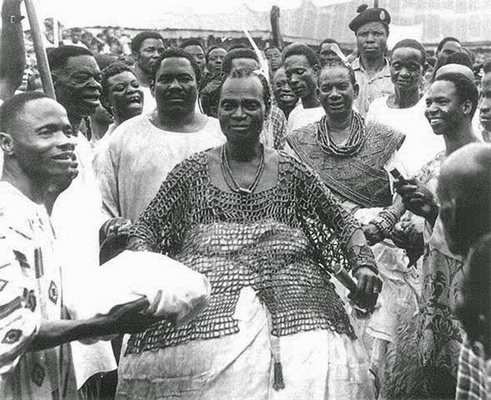
The traditional ruler of the kingdom bears the title Osemawe of Ondo.
Over the centuries, the Osemawe became the symbol of:
* Political authority. * Cultural continuity. * Custodianship of tradition. * Community unity.
The institution continues to play an important role in preserving the history and customs of the Ondo people.
Women in Ondo Leadership
The founding story of Ondo highlights the significant role of women in Yoruba governance.
Princess Pupupu is remembered not simply as a migrant but as a founder, leader, and nation-builder.
Her story demonstrates that women have long occupied positions of authority in Yoruba political life, complementing other important female offices such as the Ìyálóde and influential market leaders found across Yorubaland.
Oral Tradition and Historical Research
Like the histories of many early African kingdoms, the origins of Ondo are preserved primarily through oral tradition.
Historians compare these traditions with:
* Archaeological discoveries. * Linguistic evidence. * Royal genealogies. * Early written accounts.
This approach allows scholars to appreciate both the cultural importance of the traditions and the need for careful historical analysis.
The Enduring Legacy of Ondo's Founders
The traditions surrounding Ondo's founders continue to shape the kingdom today.
They inspire:
* Pride in Yoruba heritage. * Respect for traditional institutions. * Recognition of women's contributions to leadership. * Preservation of oral history. * Community identity.
Festivals, royal ceremonies, and local history continue to honour the memory of Princess Pupupu and the early settlers who established the kingdom.
Conclusion
The oral traditions of the Ondo Kingdom preserve a remarkable account of migration, resilience, and leadership. At the heart of these traditions is Pupupu, the princess from Ile-Ife who is celebrated as the founder of one of Yorubaland's most enduring kingdoms. While the details of her journey differ across oral accounts, they consistently emphasise courage, wisdom, and the determination to build a new community.
These traditions also highlight the importance of oral history in preserving Africa's past. Although historians continue to examine the evidence surrounding Ondo's origins, the stories of Pupupu and the kingdom's founders remain a vital part of the cultural identity of the Ondo people, linking the present generation to centuries of history, tradition, and shared heritage.