Introduction
For centuries, tribal marks, known in Yoruba as ààmì ìdílé (family marks) or ààmì ojú (facial marks), were an important part of Yoruba identity. Far more than decorative scars, they served as symbols of family lineage, town of origin, social identity, beauty, courage, and protection.
Today, the practice has declined significantly, and many younger Yoruba people no longer receive tribal marks. Nevertheless, they remain an important part of Yoruba history and cultural heritage. Understanding their origins helps us appreciate how Yoruba communities identified themselves long before modern identity documents, photographs, or official records.
What Are Yoruba Tribal Marks?
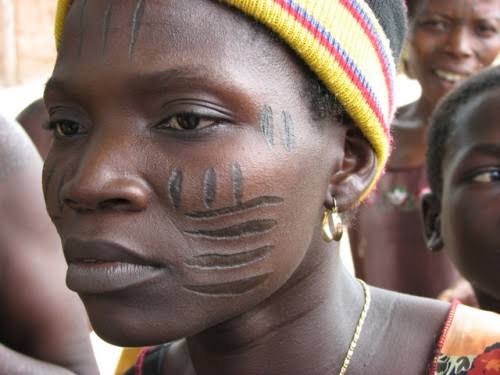
Yoruba tribal marks are permanent facial or, in some cases, body markings made by creating small incisions in the skin during childhood. As the wounds healed, they formed distinctive scar patterns.
The designs varied from one family, town, or kingdom to another, making it possible to recognise a person's background at a glance.
Unlike tattoos, which involve pigment inserted beneath the skin, traditional Yoruba tribal marks are raised or indented scars created through scarification.
Why Were Tribal Marks Introduced?
Several practical and cultural reasons explain the development of tribal marks.
They were used to:
* Identify family lineage. * Distinguish one town or kingdom from another. * Reunite lost or kidnapped children with their families. * Demonstrate cultural identity. * Indicate noble or royal ancestry in some families. * Preserve family traditions across generations.
In a time when there were no national identity cards or written birth records for most people, these marks served as a visible form of identification.
Protection During the Slave Trade
One of the most significant historical reasons for tribal marks emerged during the era of the Atlantic slave trade.
As raids, wars, and forced displacement separated families, distinctive facial marks sometimes helped identify people who shared the same ancestry or came from the same community. In some cases, they made it possible for relatives to recognise one another after years apart.
While tribal marks could not prevent enslavement, they sometimes preserved a visible link to family and homeland that survived displacement.
Common Yoruba Tribal Mark Patterns
Different Yoruba communities developed their own distinctive patterns.
Some well-known examples include:
* Pélé – usually consisting of short vertical lines on the cheeks. * Abàjà – several long horizontal cuts across each cheek. * Ture – a combination of vertical and horizontal markings. * Gọ̀mbọ́ – distinctive cheek patterns associated with particular families. * Other designs unique to specific towns and lineages.
It is important to note that there was no single "Yoruba tribal mark." Every pattern reflected a particular family, community, or regional tradition.
Beauty and Social Status
In many communities, tribal marks were also regarded as symbols of beauty and maturity.
People admired them because they represented:
* Cultural pride. * Family honour. * Personal identity. * Courage. * Belonging.
Certain marks were also associated with respected families or royal lineages, although their meaning differed from one kingdom to another.
Spiritual and Protective Beliefs
Some Yoruba families believed that tribal marks offered spiritual protection or helped safeguard children believed to be vulnerable to repeated illness or death.
For example, in some traditions involving children thought to be àbíkú (children believed to die and return repeatedly), special marks might be made as part of broader spiritual or cultural practices.
These beliefs reflected traditional understandings of health and spirituality and varied across different Yoruba communities.
Why the Practice Declined
During the twentieth century, the practice of facial scarification declined for several reasons.
These included:
* Modern healthcare. * Formal birth registration. * Increased urbanisation. * Changing ideas about beauty. * Human rights concerns. * Laws discouraging non-medically necessary scarification of children.
Today, many Yoruba families choose not to give tribal marks to their children, although older generations often continue to wear them with pride.
Preserving the Heritage
Although the practice is fading, tribal marks remain an important part of Yoruba history.
Museums, historians, artists, photographers, and cultural organisations continue to document:
* Different marking styles. * Their meanings. * Family histories. * Oral traditions. * Historical photographs.
This work helps preserve knowledge of a tradition that shaped Yoruba identity for centuries.
Conclusion
The story behind Yoruba tribal marks is ultimately a story of identity, belonging, and survival. For generations, these distinctive markings helped people identify their families, communities, and heritage while reflecting the values and customs of the societies in which they lived. During times of peace they expressed lineage and cultural pride, and during periods of upheaval, such as the Atlantic slave trade, they could help preserve connections to one's origins.
Today, while the practice of giving tribal marks has largely disappeared, their historical and cultural significance remains. They serve as a reminder of how the Yoruba people preserved identity long before modern systems of identification existed. Rather than viewing tribal marks only through a modern lens, they should also be understood within the historical, social, and cultural context in which they developed, offering valuable insight into the richness and diversity of Yoruba civilisation.