Introduction
Among the great figures of Yoruba history, few command as much respect and fascination as Oranmiyan. Celebrated as a warrior, conqueror, prince, and founder of dynasties, Ọ̀rànmíyàn occupies a unique place in the historical traditions of the Yoruba people.
His story connects some of the most important kingdoms in West African history, including Ile-Ife, the Oyo Empire, and the ancient Kingdom of Benin. Through his descendants and political achievements, Ọ̀rànmíyàn's influence extended across centuries, helping shape the cultural and political foundations of Yorubaland and beyond.
While elements of his story are preserved through oral traditions rather than written records, his legacy remains one of the most enduring in Yoruba history.
The Son of Odùduwà
According to Yoruba tradition, Ọ̀rànmíyàn was one of the sons of Oduduwa, the revered founder of Ile-Ife and ancestral father of many Yoruba kingdoms.
As a prince of Ife, Ọ̀rànmíyàn inherited not only noble lineage but also the responsibility of leadership. Oral traditions portray him as courageous, ambitious, and exceptionally skilled in warfare.
These qualities would later make him one of the most influential figures associated with the expansion of Yoruba political influence.
Ọ̀rànmíyàn and the Kingdom of Benin
One of the most fascinating aspects of Ọ̀rànmíyàn's story concerns his connection to the ancient Kingdom of Benin.
According to both Yoruba and Benin traditions, political instability once affected Benin, leading its leaders to seek assistance from Ile-Ife. Ọ̀rànmíyàn was reportedly sent to help establish order and leadership.
Some traditions state that he briefly ruled in Benin but found certain local customs unfamiliar and eventually returned to Ife. Before departing, however, he is said to have left behind a son, Eweka I, who became the founder of the Benin royal dynasty.
Although historians continue to examine the exact details of these traditions, the story reflects the deep historical and cultural connections between Yoruba and Benin civilizations.
Founder of the Oyo Dynasty
Ọ̀rànmíyàn is perhaps best known in Yoruba history as the founder of the Oyo royal dynasty.
After leaving Ife, he is believed to have established himself in the northern regions of Yorubaland, where his descendants laid the foundations for what would become the Oyo Empire.
Although Ọ̀rànmíyàn himself may not have witnessed Oyo's greatest period of expansion, the dynasty he founded eventually transformed into one of the most powerful states in West Africa.
For centuries, Oyo dominated regional politics through:
* Strong military organization * Extensive trade networks * Sophisticated governance systems * Diplomatic influence across neighboring territories
The rulers of Oyo traced their legitimacy directly to Ọ̀rànmíyàn, making him the ancestral founder of one of Africa's most influential empires.
The Meaning of the Title Alaafin
The ruler of Oyo came to be known as the Alaafin, a title often translated as "Owner of the Palace."
Although the title developed over time, Ọ̀rànmíyàn is remembered as the first ruler associated with the Oyo royal line.
His descendants continued to occupy the throne for generations, creating one of the longest-lasting dynastic traditions in Yoruba history.
The Alaafin became both a political leader and a symbol of Yoruba statecraft, authority, and cultural continuity.
The Opa Ọ̀rànmíyàn
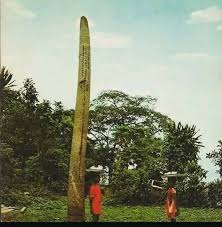
One of the most important physical symbols associated with Ọ̀rànmíyàn is the Opa Oranmiyan.
Located in Ile-Ife, this towering stone monument is traditionally linked to the legendary ruler. Although historians debate its exact origins and age, it remains one of the most significant heritage sites in Yorubaland.
The monument serves as a powerful reminder of Ọ̀rànmíyàn's enduring place in Yoruba memory and identity.
Visitors to Ile-Ife often regard it as a symbol of the city's ancient greatness and historical importance.
Warrior, Statesman, and Cultural Hero
Throughout oral traditions, Ọ̀rànmíyàn is portrayed as more than a conqueror.
He is remembered as:
* A courageous warrior * A skilled leader * A founder of kingdoms * A unifying ancestral figure * A symbol of royal legitimacy
His reputation grew over generations, transforming him into one of the great cultural heroes of the Yoruba people.
Stories about his travels, battles, and achievements became part of the broader historical consciousness of Yorubaland.
Historical Debate and Oral Tradition
Like many figures from the distant past, Ọ̀rànmíyàn exists at the intersection of history and oral tradition.
Because written records from the period are limited, historians rely on oral histories, royal genealogies, archaeology, and comparative traditions to understand his life and era.
Most scholars agree that Ọ̀rànmíyàn likely reflects a historical leader or dynasty whose achievements became magnified through centuries of storytelling and remembrance.
Regardless of the exact historical details, his importance within Yoruba historical tradition remains unquestioned.
Legacy Across West Africa
Few individuals are associated with as many influential political traditions as Ọ̀rànmíyàn.
His legacy can be seen in:
* The royal traditions of Ile-Ife * The dynastic foundations of Oyo * Historical connections with Benin * Yoruba concepts of kingship and leadership * Cultural identity across generations
Through these enduring influences, he became a bridge linking multiple kingdoms and historical narratives across West Africa.
Conclusion
The story of Alaafin Ọ̀rànmíyàn is one of leadership, expansion, and lasting influence. Revered as a son of Odùduwà, founder of the Oyo dynasty, and a figure connected to the history of Benin, he stands among the most important personalities in Yoruba historical tradition.
Whether viewed through the lens of history, legend, or cultural memory, Ọ̀rànmíyàn's impact is unmistakable. His name continues to inspire pride, and his legacy remains woven into the political, cultural, and spiritual heritage of the Yoruba people.
More than a ruler of the past, Ọ̀rànmíyàn endures as a symbol of courage, statecraft, and the enduring greatness of Yoruba civilization.