Introduction
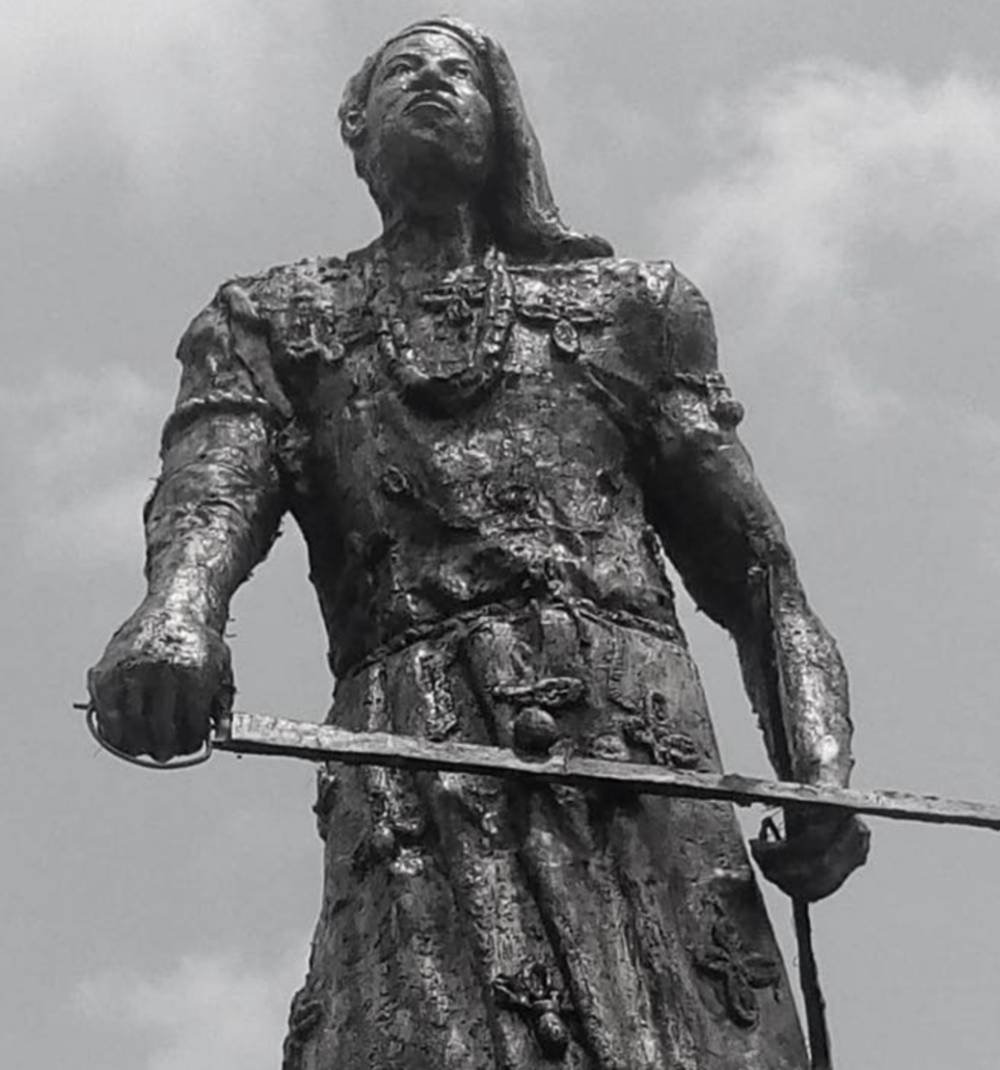
Among the many heroes celebrated in Yoruba history, few embody the spirit of resistance and collective courage as powerfully as Lisabi. His story is not merely that of a warrior who fought against oppression. It is the story of an ordinary man who inspired ordinary people to achieve extraordinary things.
Long before the founding of modern Abeokuta, the Egba people lived under the authority of the powerful Oyo Empire. For generations, they fulfilled their obligations to the empire, paid tribute, and recognised its supremacy.
But as time passed, what had once been accepted as political order gradually became a source of resentment.
Heavy demands. Harsh treatment. The growing sense that the Egba people had lost control over their own affairs.
Out of this atmosphere of frustration emerged a man whose name would echo through the centuries.
His name was Lisabi.
And through his courage, the Egba people would reclaim their freedom.
The Egba Under Oyo Rule
Before the revolt, the Egba occupied territories within the wider political influence of Oyo.
The Oyo Empire, renowned for its military strength and sophisticated political institutions, exercised authority over numerous communities through tribute systems and appointed representatives.
Among these officials were the Ajeles, administrators sent to supervise subject territories.
Initially, these arrangements helped maintain order.
Over time, however, many Egba traditions describe certain Ajeles as increasingly oppressive.
They demanded excessive tribute.
They interfered in local affairs.
They abused their positions for personal gain.
For the Egba, dissatisfaction grew steadily.
People whispered their frustrations in marketplaces.
Farmers grumbled in their fields.
Elders questioned how long such conditions could continue.
Yet few imagined that resistance was possible.
The Rise of Lisabi
Lisabi was not born a king.
He did not inherit a throne.
He emerged from among the people.
Tradition remembers him as a man of intelligence, courage, and exceptional organisational skill.
He understood that anger alone could not achieve liberation.
The Egba needed unity.
They needed discipline.
Most importantly, they needed hope.
Recognising this, Lisabi devised an ingenious strategy.
He organised the people through the Ààrò, a cooperative labour system in which community members worked together on one another's farms.
The Ààrò already existed as a social institution rooted in mutual assistance.
Lisabi transformed it into something more.
Behind the appearance of agricultural cooperation, he fostered solidarity.
He built trust.
He prepared his people for a common purpose.
Preparing for Revolt
The brilliance of Lisabi lay not only in courage but in patience.
He understood that confronting Oyo's representatives directly without preparation would lead to disaster.
Instead, he worked quietly.
As farmers gathered under the banner of Ààrò, they strengthened their bonds.
Men who once saw themselves as members of separate families began to think of themselves as part of a larger community.
A shared identity emerged.
A shared resolve developed.
The desire for freedom grew stronger with each passing season.
Eventually, the Egba were ready.
The Fall of the Ajeles
According to Egba oral tradition, Lisabi and his followers launched a coordinated uprising against the Ajeles.
The revolt was swift and decisive.
The representatives of Oyo, who had long relied upon fear and authority, found themselves overwhelmed by a population united in purpose.
The Ajeles were defeated.
Their power collapsed.
For the Egba people, it was a moment of profound significance.
Communities that had endured years of resentment finally reclaimed control over their own affairs.
The impossible had happened.
Ordinary people, acting together, had challenged an empire.
The Wrath of Oyo
Victory, however, came at a price.
News of the revolt spread quickly.
The Oyo authorities could not ignore such a direct challenge to imperial authority.
Military retaliation followed.
Determined to restore control, Oyo forces sought to punish the rebellious Egba.
Yet the Egba, inspired by Lisabi's leadership and strengthened by unity, resisted fiercely.
The struggle tested their resilience.
Families endured hardship.
Communities faced uncertainty.
But the spirit of resistance remained unbroken.
Lisabi's Sacrifice
As with many ancient heroes, the final chapters of Lisabi's story are shaped by both history and legend.
Different traditions offer varying accounts of his fate.
Some suggest that after securing the Egba's freedom, he disappeared under mysterious circumstances.
Others maintain that he sacrificed himself for the survival of his people.
Regardless of the details, what remains constant is the recognition that Lisabi placed the welfare of the community above personal ambition.
He sought neither wealth nor kingship.
His goal was liberation.
That selflessness transformed him from leader into legend.
The Legacy of the Egba Revolt
The Egba Revolt altered the course of regional history.
It demonstrated that imperial power could be challenged.
It reinforced the importance of unity and collective action.
Generations later, the Egba would establish new settlements, eventually founding Abeokuta, a city whose very existence reflected the determination of a people committed to protecting their independence.
Lisabi's memory remained central to Egba identity.
Songs celebrated him.
Stories honoured him.
Festivals remembered his courage.
Even today, he stands among the greatest heroes of Yoruba history.
Lessons from Lisabi's Story
The story of Lisabi offers enduring lessons:
* Unity can transform ordinary people into a powerful force for change. * Leadership is measured by service rather than personal gain. * Patience and strategy are often more effective than impulsive action. * Communities thrive when individuals work towards a common purpose. * The desire for justice and self-determination is deeply human.
These lessons continue to inspire far beyond Egba history.
History and Oral Tradition
Much of what we know about Lisabi comes through Egba oral traditions preserved across generations.
As with many pre-colonial African figures, separating precise historical detail from legendary embellishment can be difficult.
Yet this does not diminish his significance.
Historical memory often preserves deeper truths about the values a society chooses to honour.
In Lisabi's case, those values include courage, solidarity, sacrifice, and resistance against injustice.
Whether viewed as a historical leader, a cultural hero, or both, his impact remains undeniable.
Conclusion
The story of Lisabi and the Egba Revolt is one of the most compelling narratives in Yoruba history.
It tells of a man who emerged from among ordinary people, recognised their shared suffering, and transformed cooperation into resistance. Through wisdom, patience, and courage, he inspired the Egba to challenge oppression and reclaim their dignity.
Lisabi did not command vast armies or inherit royal privilege.
His greatest strength was his ability to unite people around a common vision of freedom.
Centuries later, his legacy endures not because of the battles he fought, but because of what he proved.
He proved that courage is contagious.
He proved that unity is powerful.
And he proved that when a people stand together in pursuit of justice, even the mightiest empires can be made to tremble.
For the Egba people and for all who cherish the ideals of freedom and collective strength, the name Lisabi remains a symbol of resistance, sacrifice, and the enduring power of ordinary people to shape the course of history.