Introduction
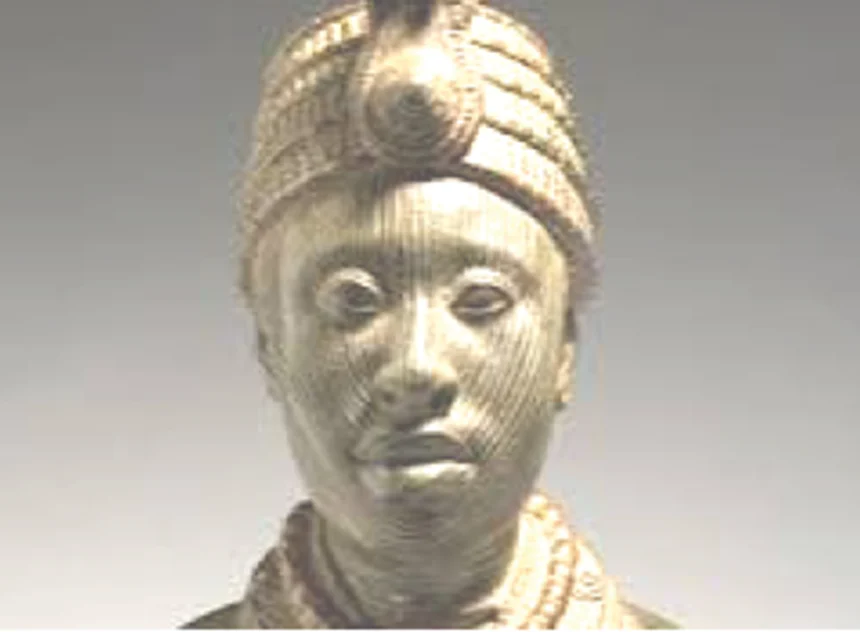
Among the many rulers remembered in the history of Ile-Ife, few are as remarkable as Queen Luwo Gbagida. According to Yoruba oral tradition, she is widely regarded as the only woman to have ascended the throne as Ooni of Ife, making her one of the most extraordinary figures in Yoruba history.
Although much of what is known about Luwo Gbagida comes from oral traditions rather than contemporary written records, her story has been preserved for generations as a symbol of wisdom, courage, and visionary leadership. She represents an important reminder that women have held positions of great authority in Yoruba civilisation and have played significant roles in shaping its political and cultural development.
The Ooni of Ife
The title Ooni is one of the most revered traditional institutions in Yorubaland.
The Ooni is regarded not only as the traditional ruler of Ile-Ife but also as the custodian of a city that Yoruba tradition honours as the cradle of creation and civilisation.
For centuries, the throne has carried immense spiritual, cultural, and political significance.
It is within this distinguished institution that Luwo Gbagida is remembered as an exceptional ruler.
Who Was Luwo Gbagida?
According to Yoruba oral history, Luwo Gbagida lived many centuries ago, although historians differ on the exact period of her reign.
She belonged to the royal lineage of Ile-Ife and, under exceptional circumstances preserved in oral tradition, ascended the throne as Ooni.
Her reign stands out because traditional succession to the Ooni's throne has overwhelmingly been through male rulers.
For this reason, Luwo Gbagida occupies a unique place in Yoruba historical memory.
A Reign Remembered for Development
Oral traditions describe Luwo Gbagida as a ruler who encouraged the growth and development of Ile-Ife.
She is associated with:
* Improving the organisation of the city. * Supporting commerce. * Encouraging peaceful governance. * Strengthening royal authority. * Promoting cooperation among communities.
While individual traditions vary in their details, they consistently portray her as a capable and respected leader.
The Story of Sweeping the Streets
One of the best-known traditions associated with Luwo Gbagida tells of her introducing or promoting the regular sweeping and cleaning of streets within the city.
Whether understood as literal history or symbolic tradition, the story reflects an important Yoruba value: that good leadership includes care for the wellbeing, order, and appearance of the community.
The narrative presents cleanliness not merely as a practical necessity but as an expression of responsible governance.
Marriage Beyond Ife
Some Yoruba traditions state that Luwo Gbagida married into the Benin Kingdom.
These accounts form part of a broader body of traditions describing historical connections between Ile-Ife and the Kingdom of Benin.
According to these narratives, such royal relationships strengthened diplomatic and cultural ties between the two kingdoms.
However, historians note that the precise details of these traditions remain subjects of scholarly discussion, as they are based primarily on oral histories rather than contemporary written evidence.
Women in Yoruba Leadership
The story of Luwo Gbagida illustrates that women have long held positions of influence within Yoruba society.
Although female Oonis have been exceptionally rare, Yoruba political systems have historically recognised important leadership roles for women, including titles such as:
* Ìyálóde, representing the interests of women in governance. * Senior priestesses in religious institutions. * Influential market leaders. * Royal advisers. * Community organisers.
Luwo Gbagida's story therefore reflects a broader tradition of female leadership in Yorubaland.
History and Oral Tradition
Like many early African rulers, Luwo Gbagida is known primarily through oral tradition.
Modern historians approach these accounts with both respect and careful analysis.
While archaeology, linguistics, and written sources help reconstruct aspects of Yoruba history, oral traditions preserve cultural memory that might otherwise have been lost.
For this reason, Luwo Gbagida's story should be appreciated both as an important historical tradition and as part of the rich heritage of Yoruba storytelling.
Her Enduring Legacy
Today, Queen Luwo Gbagida continues to inspire many people across Yorubaland.
Her legacy reminds us that:
* Leadership is defined by wisdom and service, not gender. * Women have always contributed to Yoruba governance. * Oral tradition remains an important source of historical knowledge. * Good rulers strengthen both their people and their communities.
Her story remains a powerful symbol of possibility, resilience, and responsible leadership.
Conclusion
The story of Queen Luwo Gbagida occupies a unique place in Yoruba history and tradition. Remembered as the only woman to reign as Ooni of Ile-Ife, she represents a remarkable example of female leadership in one of Africa's oldest royal institutions. Although much of her life is preserved through oral tradition rather than written records, the values associated with her reign—wisdom, good governance, public welfare, and diplomacy—have endured for generations.
Her legacy also reminds us of the importance of approaching early African history with both respect for oral traditions and an appreciation of historical scholarship. Whether viewed through the lens of history, culture, or tradition, Queen Luwo Gbagida remains an enduring symbol of the influential roles women have played in shaping Yoruba civilisation.
Note: Most information about Queen Luwo Gbagida comes from Yoruba oral tradition. While many aspects of her story are widely accepted within traditional accounts, some details, including the exact dates of her reign and certain events associated with her life, remain subjects of historical debate due to the limited availability of contemporary written sources