Introduction
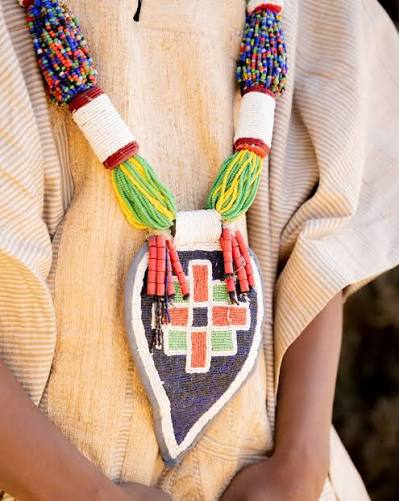
To the casual observer, beads may appear to be little more than decorative ornaments. Yet within Yoruba culture, beads are far more than accessories. They are symbols of identity, status, spirituality, royalty, ancestry, beauty, and power.
For centuries, beads have occupied a special place in Yoruba civilisation. They have adorned kings and queens, priests and priestesses, brides and grooms, warriors and chiefs. They have appeared in palaces, shrines, festivals, naming ceremonies, weddings, and sacred rituals. In many cases, the value of a bead lies not merely in its material worth but in the meaning it carries.
To understand Yoruba beads is to understand a visual language through which history, authority, and spirituality are expressed. Every colour, arrangement, and type of bead may communicate a story about the wearer and their place within society.
The history of Yoruba beads reveals a fascinating intersection of art, culture, religion, and social identity.
Beads as Symbols of Prestige and Wealth
In pre-colonial Yorubaland, certain beads were rare and highly prized.
Many were obtained through long-distance trade networks that connected West Africa with North Africa, Europe, and even Asia. Because of their scarcity, beads became symbols of wealth and influence.
Those who commonly wore elaborate bead regalia included:
* Kings * Chiefs * Wealthy merchants * High-ranking title holders * Religious leaders
The possession of valuable beads often indicated social standing and economic success.
In some communities, particular bead types were reserved exclusively for royalty and could not be worn by ordinary citizens.
Royal Beads and Kingship
Among the Yoruba, kingship is deeply connected with symbolism, and beads form an important part of royal regalia.
Traditional rulers, known as Obas, frequently wear elaborate bead necklaces, bracelets, crowns, and anklets during public ceremonies.
The famous beaded crown, known as the Adé Ilẹ̀kẹ̀, is among the most sacred symbols of royal authority.
The crown often features:
* Intricate beadwork * Sacred colours * Decorative motifs * Beaded veils covering the king's face
These elements signify that the king occupies a position that is both political and spiritual.
The beads transform royal attire into a visible expression of authority and legitimacy.
Coral Beads and Their Significance
One of the most prestigious forms of Yoruba jewellery is coral beadwork.
The vibrant red-orange coral beads commonly associated with royalty have long symbolised:
* Power * Prosperity * Sacred authority * Nobility * Prestige
Historically, coral beads were expensive imports and became closely associated with royal courts.
Even today, coral beads remain an important feature of traditional ceremonies, especially among royal families and titled individuals.
Their striking appearance immediately communicates status and distinction.
Beads and Spiritual Power
Beyond social status, beads possess profound spiritual significance.
Within traditional Yoruba religion, certain beads are associated with particular Òrìṣà (divinities).
Specific colours, patterns, and bead types may be linked to deities such as:
* Obatala * Sango * Osun * Yemoja
Devotees may wear specific bead combinations during rituals and festivals as expressions of spiritual devotion and identity.
In some traditions, beads are believed to carry protective and symbolic power.
The Meaning of Colours in Yoruba Beadwork
Colours often play an important symbolic role.
Although meanings can vary between communities and traditions, some common associations include:
White
Often linked with:
* Purity * Peace * Wisdom * Spiritual clarity
Frequently associated with Obàtálá.
Red
Often symbolises:
* Energy * Power * Authority * Strength
Commonly associated with royalty and Sàngó traditions.
Blue
May represent:
* Calmness * Healing * Water * Motherhood
Often connected with Yemoja.
Yellow and Gold
Can symbolise:
* Wealth * Beauty * Fertility * Prosperity
Frequently associated with Ọ̀ṣun.
These colour associations help transform jewellery into a visual language rich with meaning.
Beads in Marriage Ceremonies
Few occasions display Yoruba beadwork more beautifully than weddings.
Traditional Yoruba brides often wear:
* Beaded necklaces * Bracelets * Earrings * Waist beads * Decorative headpieces
These ornaments enhance beauty while also reflecting cultural heritage.
For many families, wedding beads symbolise:
* Prosperity * Fertility * Family honour * Continuity of tradition
The bride's appearance becomes a celebration of both personal beauty and communal identity.
Waist Beads and Personal Identity
Waist beads have long been part of Yoruba adornment traditions.
Historically, they have served multiple purposes, including:
* Decoration * Cultural identity * Markers of maturity * Expressions of femininity
In some contexts, waist beads also functioned as indicators of social status or family heritage.
Their significance varies across regions and families, but they remain an enduring aspect of Yoruba aesthetic culture.
Bead Craftsmanship as an Art Form
Creating Yoruba beadwork requires remarkable skill.
Artisans carefully design patterns, colour combinations, and arrangements to produce pieces that are both beautiful and meaningful.
Beadmaking traditions have been passed down through generations, preserving techniques that combine artistry with cultural knowledge.
The craftsmanship involved reflects the Yoruba appreciation for creativity, precision, and excellence.
Beads in the Yoruba Diaspora
As Yoruba culture spread across the Atlantic through the African diaspora, bead traditions travelled with it.
Today, Yoruba-inspired beadwork can be found in:
* Cuba * Brazil * Trinidad and Tobago * Haiti * The United States
In many Afro-Atlantic religious traditions, beads continue to serve as symbols of spiritual affiliation and cultural heritage.
Their survival across continents demonstrates the enduring influence of Yoruba civilisation.
Modern Fashion and Cultural Pride
In contemporary society, beads remain popular both as cultural symbols and fashion statements.
Many people wear traditional bead jewellery during:
* Weddings * Festivals * Chieftaincy ceremonies * Cultural celebrations * Family gatherings
For younger generations, beads often represent a connection to heritage and identity.
They serve as reminders that tradition and modernity can coexist beautifully.
Conclusion
Yoruba beads and jewellery are far more than decorative objects. They are symbols of history, spirituality, authority, beauty, and cultural continuity.
From the sacred crowns of kings to the elegant necklaces of brides, beads communicate messages that words alone cannot express. They reveal social status, spiritual affiliation, artistic creativity, and communal identity.
For centuries, these ornaments have connected generations of Yoruba people to their ancestors, traditions, and values. Their continued importance demonstrates the enduring power of symbols in preserving culture and expressing belonging.
In every strand of coral, every carefully chosen colour, and every intricately crafted piece of jewellery lies a story, a story of a civilisation that transformed adornment into a profound expression of meaning, memory, and identity.