Introduction
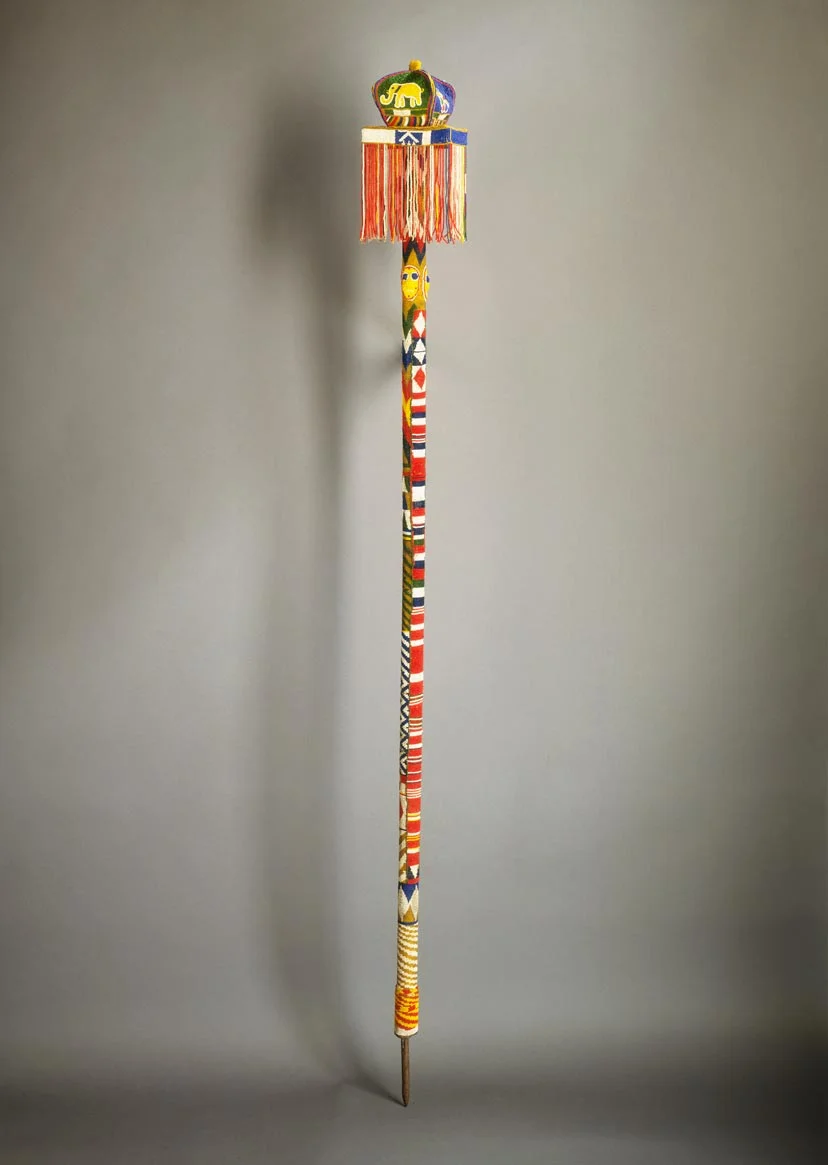
Among the Yoruba, symbols of leadership extend beyond crowns and royal robes. One of the most important traditional emblems of authority is the Ọ̀pá Àṣẹ, often translated as the "Staff of Authority" or "Staff of Command." More than a ceremonial object, it represents the legitimate exercise of power, wisdom, justice, and the sacred responsibility entrusted to leaders.
Whether carried by a king, a chief, a priest, or another recognised authority, the Ọ̀pá Àṣẹ signifies that leadership is not simply about status. It is a visible reminder that authority must be exercised with integrity, respect for tradition, and accountability to both the community and the spiritual order.
What Is the Ọ̀pá Àṣẹ?
The Yoruba word ọ̀pá means "staff" or "rod," while àṣẹ refers to the divine power or authority to make things happen. Together, Ọ̀pá Àṣẹ refers to a ceremonial staff that symbolises legitimate authority and the right to act on behalf of a community or institution.
Traditionally, these staffs are made from materials such as:
* Wood. * Brass. * Bronze. * Iron. * Ivory, in some historical contexts.
Many are decorated with carvings, figures, or symbolic motifs that reflect the office of the person who carries them.
The Meaning of Àṣẹ
Before understanding the staff itself, it is important to understand the Yoruba concept of àṣẹ.
In Yoruba philosophy, àṣẹ is understood as the divine force or spiritual authority that enables actions, words, and intentions to have effect. It is associated with creation, order, responsibility, and the ability to bring about change.
The Ọ̀pá Àṣẹ therefore symbolises authority that is recognised by society and exercised within the framework of Yoruba customs and moral principles.
A Symbol of Legitimate Leadership
In many Yoruba communities, the staff serves as an outward sign that its holder occupies a recognised office.
It may be carried by:
* Traditional rulers. * High chiefs. * Palace officials. * Religious leaders. * Community elders. * Title holders.
The staff identifies the office rather than glorifying the individual. When leadership changes, the authority represented by the staff continues through the institution.
The Staff in Royal Ceremonies
The Ọ̀pá Àṣẹ often appears during important public occasions, including:
* Coronations. * Royal processions. * Festivals. * Judicial ceremonies. * Meetings of chiefs. * Community celebrations.
Its presence reminds participants that official decisions should be made according to established customs and with respect for the responsibilities of leadership.
Artistic Symbolism
Many ceremonial staffs are masterpieces of Yoruba art.
They may include images of:
* Birds, representing wisdom and spiritual awareness. * Human figures, symbolising leadership or ancestry. * Animals, expressing qualities such as courage or vigilance. * Geometric patterns that reflect harmony and balance.
The specific meanings of these designs vary between kingdoms, families, and religious traditions, making each staff a unique expression of cultural identity.
The Ọ̀pá Àṣẹ and Justice
Leadership in Yoruba society has long been linked to justice.
When carried in judicial or administrative settings, the Ọ̀pá Àṣẹ symbolises:
* Fairness. * Responsibility. * Respect for customary law. * Protection of the community. * Commitment to truth.
It reminds leaders that authority should be used to maintain harmony rather than personal advantage.
Religious Significance
Some ceremonial staffs also have religious significance.
Within different Yoruba traditions, certain priests and priestesses carry staffs associated with their offices during rituals and festivals. These staffs represent spiritual responsibility rather than political authority and may differ in form and symbolism depending on the specific Òrìṣà or religious tradition involved.
Although their purposes vary, they share the common idea that authority carries sacred obligations.
The Ọ̀pá Àṣẹ in Contemporary Society
Today, the Ọ̀pá Àṣẹ continues to appear in traditional institutions across Yorubaland.
It remains an important part of:
* Palace ceremonies. * Chieftaincy installations. * Cultural festivals. * Community celebrations. * Heritage exhibitions.
Many staffs are also preserved in museums as examples of the exceptional artistry and craftsmanship of Yoruba metalworkers and woodcarvers.
More Than a Staff
The Ọ̀pá Àṣẹ is not simply an ornament or ceremonial accessory.
It embodies a philosophy of leadership in which power is inseparable from duty. A leader who carries the staff is expected to exercise wisdom, protect the people, respect tradition, and act with integrity.
In this way, the staff serves as both a privilege and a constant reminder of the responsibilities attached to public office.
Conclusion
The Ọ̀pá Àṣẹ is one of the most enduring symbols of authority in Yoruba civilisation. Whether held by a king, a chief, an elder, or a religious leader, it represents legitimate leadership grounded in wisdom, justice, and service to the community.
Beyond its artistic beauty, the staff expresses the Yoruba belief that true authority is never arbitrary. It is a sacred trust that must be exercised with humility, accountability, and respect for both tradition and the well-being of the people. Through this enduring symbol, the values of Yoruba leadership continue to be preserved and celebrated across generations.