Introduction
Long before colonial rule and modern national borders, Yoruba kingdoms were connected to a vast network of trade stretching across West Africa. Kingdoms and towns such as Ọ̀yọ́, Ilé Ifẹ̀, Ìjẹ̀bú, Ẹ̀gbá and other Yoruba communities exchanged goods with neighbouring peoples through markets, trade routes and long distance commercial networks.
Trade was not simply about buying and selling. It helped spread ideas, technology, religion, language, artistic styles and political relationships across West Africa.
1. Yorubaland as a Centre of Regional Trade
The geographical position of Yorubaland made it an important meeting point between different parts of West Africa.
Yoruba traders and merchants interacted with communities from areas that are now part of:
* Benin Republic. * Togo. * Ghana. * Niger. * Northern Nigeria.
These relationships developed over long periods and connected forest communities, savannah regions and coastal settlements.
Markets became important centres where people from different cultural backgrounds could exchange goods and information.
2. Trade Between the Yoruba and the North
Yoruba kingdoms maintained commercial connections with northern trading networks.
Through these relationships, goods could move between Yorubaland and the wider commercial systems linked to Hausa cities and trans Saharan trade.
Items moving through these networks included products such as:
* Horses. * Salt. * Leather goods. * Textiles. * Agricultural products. * Metal goods.
Horses were particularly important to the political and military history of the Ọ̀yọ́ Empire. Access to horses through northern and savannah trade networks contributed to the development of Ọ̀yọ́ cavalry.
Trade therefore sometimes had consequences far beyond the marketplace.
3. The Ọ̀yọ́ Empire and Regional Commerce
The Ọ̀yọ́ Empire became one of the most influential political powers in West Africa.
Its location allowed it to participate in commercial relationships with neighbouring communities and states.
Trade supported the movement of goods between different ecological zones. Communities in the savannah could exchange products with people from forest regions, while merchants carried goods across long distances.
Political influence and trade were often closely connected. Powerful kingdoms could help protect routes, regulate markets and collect tribute or duties connected with commerce.
4. The Importance of Horses
One of the most significant goods connected with northern trade was the horse.
The forest environment of much of southern Yorubaland was not ideal for maintaining large numbers of horses because of disease and ecological conditions.
As a result, access to horses through trade became strategically important.
The Ọ̀yọ́ Empire developed a powerful cavalry partly because it could obtain horses through connections with northern and neighbouring regions.
This shows how international and regional trade could influence the balance of political power.
5. Coastal Trade and the Ijẹ̀bú
The Ìjẹ̀bú occupied an important position in trade between the Yoruba interior and coastal areas.
Merchants travelling between inland communities and the coast often passed through territories connected with Ijẹ̀bú political and commercial networks.
This position allowed Ijẹ̀bú authorities and traders to play an important role in regulating commerce.
Markets and trade routes became important sources of wealth, while commercial activity strengthened relationships between different Yoruba communities.
6. Yoruba Trade With the Kingdom of Benin
Yoruba communities also maintained long standing relationships with the neighbouring Kingdom of Benin.
These relationships included periods of:
* Trade. * Diplomacy. * Cultural exchange. * Political rivalry.
Goods and artistic ideas moved between different communities.
The history of West Africa demonstrates that kingdoms were rarely isolated. Political boundaries could separate states, but merchants, travellers and craftsmen continued to create connections across them.
7. Trade Across the Modern Nigeria and Benin Border
It is important to remember that modern national borders did not exist in the same form before colonial rule.
Yoruba speaking communities lived across areas that are now divided between Nigeria and the Republic of Benin.
Families, traders and cultural communities interacted across these regions.
Trade routes connected communities that later became separated by colonial boundaries.
This means that Yoruba commercial history cannot be understood only through the borders of modern Nigeria.
8. What Did Yoruba Kingdoms Trade?
Yoruba communities produced and exchanged a wide range of goods.
These included:
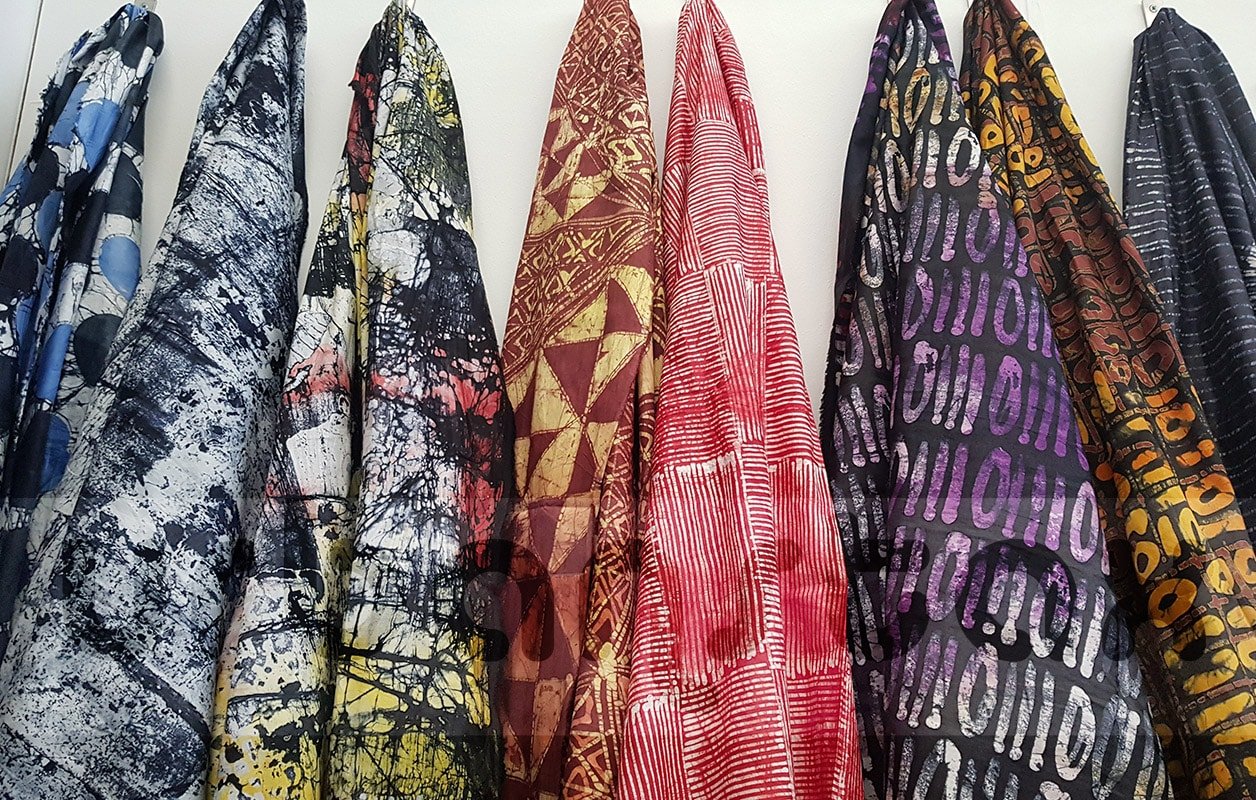
* Agricultural products. * Kola nuts. * Textiles. * Indigo dyed cloth. * Pottery. * Metal tools. * Palm products. * Leather goods. * Salt. * Livestock.
Different regions specialised in different products.
This encouraged trade because communities could exchange goods that were abundant in one area for goods that were scarce in another.
9. The Marketplace as an Economic Institution
Markets were among the most important institutions in Yoruba economic life.
They were places where:
* Goods were exchanged. * Prices were negotiated. * News was shared. * Relationships were formed. * Travellers exchanged information.
Markets also connected rural producers with urban populations.
A farmer could bring agricultural products to market while a craftsperson could sell tools, textiles or pottery.
In this way, markets connected the entire economic life of the community.
10. Women and Long Distance Trade
Women played major roles in Yoruba commerce.
Many women became experienced traders and developed commercial networks that connected markets and communities.
Their economic activities could involve purchasing goods in one location and transporting them to another market where demand was higher.
This helped create commercial links between towns.
The economic influence of Yoruba women demonstrates that trade was not controlled exclusively by kings or male merchants. Ordinary traders, especially women, were essential to the movement of goods and wealth.
11. Trade Also Carried Ideas
Trade routes carried more than physical goods.
Merchants and travellers could introduce communities to:
* New technologies. * Religious ideas. * Languages. * Artistic styles. * Political information.
A merchant travelling between towns became a carrier of knowledge.
This meant that trade contributed to cultural development as well as economic growth.
West Africa was connected by networks of people constantly moving between communities.
12. Trade and the Growth of Yoruba Cities
Trade contributed to the growth of important Yoruba urban centres.
Large populations created demand for:
* Food. * Clothing. * Tools. * Building materials. * Luxury goods.
Cities became centres where producers, traders, craftsmen and political authorities interacted.
The growth of Yoruba urban civilisation was therefore closely connected with the ability of communities to organise production and exchange.
13. The Atlantic Trade Changed Yoruba Commerce
From the fifteenth century onwards, European maritime trade increasingly affected the economies of West African coastal societies.
Over time, Atlantic commerce introduced new goods and transformed older trade networks.
The transatlantic slave trade also had devastating consequences for many West African communities and profoundly changed the political and economic history of the region.
Later, palm produce became increasingly important in nineteenth century commerce.
These changes demonstrate that Yoruba trade networks were not static. They adapted to changing political and economic conditions.
14. Trade Created Both Cooperation and Competition
Trade could bring communities together, but it could also create rivalry.
Control of an important route or market could become a source of political conflict.
Kingdoms and towns sometimes competed for:
* Access to trade routes. * Control of markets. * Commercial taxes. * Valuable goods.
This meant that economics and politics were often closely connected.
A prosperous market could strengthen a kingdom, while the loss of a major trade route could weaken it.
Conclusion
The trade relationships between Yoruba kingdoms and the wider West African region reveal a civilisation deeply connected to its neighbours.
Through markets and long distance routes, Yoruba merchants exchanged goods with communities across the forest, savannah and coastal regions of West Africa.
Trade brought horses from northern networks, connected inland communities with the coast and strengthened relationships with neighbouring peoples across what are now Nigeria, Benin and other West African countries.
But perhaps the most important lesson is this:
Ancient Yoruba kingdoms were never isolated.
Long before modern roads, airports and national borders, merchants were already connecting communities across great distances.
They carried goods from market to market, but they also carried ideas, languages, technologies and cultures.
The history of Yoruba trade is therefore also the history of a connected West Africa, where commerce helped build relationships between peoples long before the modern world took shape.