Introduction
Among the Yoruba people, greetings are far more than simple social formalities. They are expressions of respect, humanity, community, and cultural identity. In many parts of the world, a greeting may be a brief exchange of words. In Yoruba culture, however, greetings carry deep social and spiritual significance.
A person's upbringing, character, and respect for others are often reflected in how they greet. From childhood, Yoruba children are taught that greeting is not optional but an essential part of good conduct and proper social behavior.
The importance of greetings is so deeply rooted in Yoruba society that they influence family life, community relationships, traditional leadership, religious practices, and everyday interactions.
Greeting as a Sign of Respect
One of the most visible reasons greetings are sacred in Yoruba culture is their connection to respect.
The Yoruba place tremendous value on honoring elders, parents, teachers, community leaders, and anyone deserving of recognition.
Traditionally:
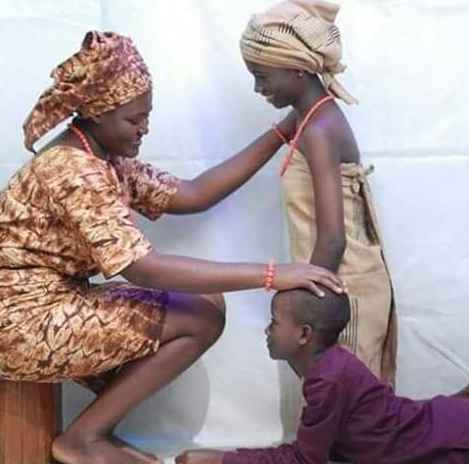
Young men may prostrate (dobálẹ̀*) before elders. Young women often kneel (kúnlẹ̀*) when greeting. * Respectful words and titles are carefully used during conversations.
These practices are not intended to diminish younger people. Rather, they express humility, courtesy, and appreciation for age, wisdom, and experience.
A person who fails to greet appropriately may be seen as lacking proper upbringing or respect for community values.
The Philosophy of Omolúàbí
The sacred nature of greetings is closely connected to the Yoruba concept of Omolúàbí.
An Omolúàbí is a person of good character who demonstrates:
* Respect * Honesty * Humility * Responsibility * Self discipline
Greeting properly is considered one of the earliest and most visible signs of these virtues.
Parents often teach children that no matter how intelligent, wealthy, or successful they become, respect must remain part of their character.
Because greetings reflect character, they are viewed as an important measure of personal development.
Greetings Strengthen Community Bonds
Yoruba society traditionally emphasizes community over individualism.
Greetings help maintain social harmony by acknowledging the presence, dignity, and value of others.
When people meet, they often ask detailed questions about:
* Family members * Health * Work * Travels * Personal well-being
A simple encounter can involve several exchanges that demonstrate genuine concern for another person's welfare.
These interactions strengthen relationships and create a sense of belonging within the community.
Time Specific Greetings
One remarkable feature of Yoruba culture is the wide variety of greetings used for different situations and times of day.
Examples include:
Ẹ káàárọ̀* — Good morning Ẹ káàsán* — Good afternoon Ẹ kúalẹ́* — Good evening Ẹ kú ìròlé* — Good night Ẹ kú iṣẹ́* — Well done on your work Ẹ kú ìrìnàjò* — Welcome from your journey
There are also special greetings for:
* Festivals * Ceremonies * Births * Weddings * Funerals * Farming activities * Occupational duties
This richness reflects the Yoruba emphasis on recognizing people's experiences and daily efforts.
Spiritual Dimensions of Greeting
In traditional Yoruba thought, words possess power.
Greetings are often accompanied by blessings, prayers, and expressions of goodwill. Elders may respond to greetings with prayers for:
* Long life * Prosperity * Good health * Success * Divine protection
These exchanges transform greetings into more than social customs. They become acts of spiritual affirmation and positive intention.
The belief that spoken words can influence life gives greetings an importance that extends beyond ordinary conversation.
Greetings and Traditional Leadership
Greetings play a particularly important role in interactions with traditional rulers and chiefs.
Special protocols often govern how people greet an Oba, chief, or respected elder. These customs reinforce social order and acknowledge the responsibilities carried by community leaders.
In royal courts, greetings may involve specific phrases, gestures, or ceremonial forms that have been preserved for generations.
Such traditions highlight the connection between greetings, authority, and cultural continuity.
Greeting as an Expression of Humanity
At its heart, the Yoruba greeting tradition reflects a profound understanding of human relationships.
To greet someone is to acknowledge their existence, dignity, and place within the community.
Ignoring someone can be interpreted as disrespectful because it suggests a lack of recognition or concern.
Greeting, therefore, becomes an affirmation that every person matters and deserves respect.
This philosophy aligns with broader African ideas emphasizing interconnectedness and shared humanity.
Modern Challenges and Cultural Preservation
Modern lifestyles, urbanization, and globalization have changed social interactions in many Yoruba communities.
Some traditional forms of greeting are less common among younger generations, especially in large cities. However, many families, schools, cultural organizations, and traditional institutions continue to teach the importance of respectful greetings.
Social media and digital communication have also created new opportunities to promote Yoruba language and cultural values.
Many people see the preservation of greeting traditions as essential to preserving Yoruba identity itself.
Conclusion
Greetings are sacred in Yoruba culture because they represent far more than polite words. They express respect, good character, spiritual goodwill, communal responsibility, and cultural identity.
From kneeling and prostrating before elders to offering prayers and blessings, Yoruba greetings embody values that have guided society for generations. They reinforce the ideals of Omolúàbí, strengthen family and community bonds, and remind people of the importance of humility and mutual respect.
In a fast changing world, the Yoruba tradition of greeting remains a powerful symbol of humanity and cultural wisdom. It teaches that every interaction is an opportunity to show respect, build relationships, and honor the dignity of others.
As the Yoruba saying goes, “Ìwà l’ẹwà.” Character is beauty. And one of the first signs of good character is knowing how to greet.