Introduction
Few civilisations have shaped the history and culture of Africa as profoundly as the Yoruba. For well over a thousand years, the Yoruba people have built thriving cities, established powerful kingdoms, produced remarkable works of art, developed sophisticated systems of governance, and preserved a rich philosophical and spiritual tradition that continues to influence millions around the world.
Today, Yoruba civilisation is celebrated not only in Nigeria but also across West Africa, the Caribbean, Latin America, Europe, and North America. Its legacy lives on in language, religion, music, literature, architecture, festivals, and family traditions. It has survived wars, colonial rule, the transatlantic slave trade, and rapid globalisation, adapting to changing times without losing its identity.
The enduring strength of Yoruba civilisation lies in its ability to preserve its heritage while remaining open to growth and innovation. It is this balance that makes it one of Africa's greatest cultural legacies.
A Civilisation Built on Ancient Foundations
The roots of Yoruba civilisation stretch back many centuries.
Historic cities such as Ile-Ife, often regarded as the spiritual heart of the Yoruba people, became centres of political authority, craftsmanship, religion, and trade long before European contact.
Over time, kingdoms including the Old Oyo Empire, Ijebu Kingdom, Egba Kingdom, and Ondo Kingdom developed distinctive political systems while sharing a common cultural heritage.
These kingdoms contributed to a civilisation renowned for its organisation, diplomacy, commerce, and artistic achievement.
A Rich Language and Oral Tradition
The Yoruba language is one of Africa's most widely spoken indigenous languages, with millions of speakers in Nigeria and neighbouring countries, as well as thriving communities across the diaspora.
Beyond everyday communication, it serves as a vessel for:
* Proverbs. Praise poetry (oríkì*). * Folktales. * Historical narratives. * Songs. * Sacred texts.
For generations, oral tradition has preserved the collective memory of the Yoruba people, passing knowledge from elders to younger generations long before widespread literacy.
Extraordinary Artistic Achievement
Yoruba artists have earned international recognition for their creativity and technical excellence.
The naturalistic bronze and terracotta sculptures discovered in and around Ile-Ife are widely regarded as masterpieces of African art. Their realism challenged long-held misconceptions about pre-colonial African artistic traditions and demonstrated the sophistication of Yoruba craftsmanship.
Yoruba artistic expression also flourishes through:
* Wood carving. * Beadwork. * Textile weaving. * Metalworking. * Architecture. * Ceremonial regalia.
These traditions continue to inspire artists across the world.
A Sophisticated Political Tradition
Long before colonial rule, Yoruba kingdoms developed systems of governance that balanced royal authority with institutional oversight.
Kings ruled alongside:
* Councils of chiefs. * Elders. * Women's leaders. * Religious authorities. * Community representatives.
Institutions such as the Oyo Mesi and the office of the Ìyálóde reflected a political culture that valued consultation, accountability, and shared responsibility.
These traditions continue to inform discussions about indigenous governance in Africa today.
A Deep Philosophical and Spiritual Heritage
Yoruba civilisation is also distinguished by its rich philosophical tradition.
Concepts such as:
* Àṣẹ (the divine power that enables action). * Orí (the inner self and destiny). * Omolúàbí (good character and moral integrity). * Ifá (a system of wisdom, ethics, and divination).
continue to shape Yoruba thought and influence discussions on ethics, leadership, and personal responsibility.
These ideas demonstrate that Yoruba spirituality is closely connected to everyday life, encouraging individuals to live honourably and contribute positively to their communities.
Music That Crossed Oceans
Yoruba musical traditions have travelled far beyond West Africa.
The talking drum, sacred Batá rhythms, praise singing, and call-and-response performances influenced musical traditions across the Atlantic through the African diaspora.
Today, Yoruba influences can be heard in:
* Afrobeat. * Afrobeats. * Jazz. * Salsa. * Samba. * Gospel. * World music.
Artists continue to incorporate Yoruba language, rhythms, and storytelling into contemporary music enjoyed by global audiences.
A Global Spiritual Legacy
Yoruba spirituality has become one of Africa's most influential religious traditions abroad.
Through the African diaspora, Yoruba beliefs contributed to the development of:
* Santería in Cuba. * Candomblé in Brazil. * The Orisha tradition in Trinidad and Tobago.
These traditions preserve Yoruba prayers, music, rituals, and devotion to the Òrìṣà while reflecting the unique histories of their local communities.
Today, people from many cultural backgrounds study Ifá and participate in Yoruba-inspired spiritual traditions.
A Living Culture
One of the greatest strengths of Yoruba civilisation is its ability to remain vibrant in the modern world.
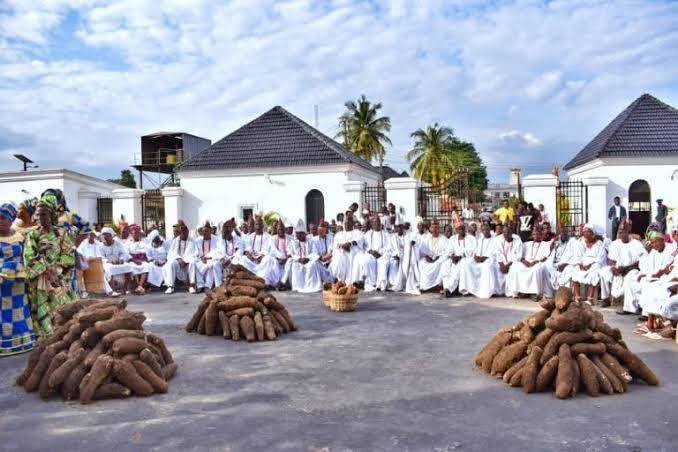
Traditional festivals, marriage rites, naming ceremonies, music, fashion, cuisine, and language continue to thrive alongside contemporary life.
Young people are increasingly embracing their heritage through:
* Cultural festivals. * Language classes. * Digital media. * Historical research. * Music and film. * Community organisations.
Rather than existing only in museums or history books, Yoruba culture continues to evolve while maintaining its essential identity.
A Legacy That Inspires the World
Across continents, Yoruba civilisation continues to inspire scholars, artists, musicians, historians, and cultural enthusiasts.
Its enduring influence can be seen in:
* Academic research. * Museum collections. * International festivals. * Literature. * Film. * Music. * Religious practice. * Cultural diplomacy.
This global recognition reflects the universal appeal of Yoruba values such as community, respect, resilience, creativity, and the pursuit of wisdom.
Conclusion
Yoruba civilisation remains one of Africa's greatest cultural legacies because it represents far more than the history of a single people. It is a living civilisation that has shaped politics, philosophy, religion, art, language, and music across centuries and continents.
From the ancient city of Ile-Ife to thriving diaspora communities in the Caribbean, the Americas, and Europe, the Yoruba story is one of creativity, resilience, and continuity. Its traditions have endured through periods of profound change, adapting without losing their core identity.
As the world continues to recognise the richness of Africa's indigenous knowledge and cultural achievements, Yoruba civilisation stands as a powerful reminder that some of humanity's greatest ideas, artistic masterpieces, and enduring values were nurtured in Africa long before the modern age. Its legacy continues to inspire not only the Yoruba people but all who value history, culture, and the shared heritage of humankind.