Introduction
For the Yoruba people, the universe is not viewed as random or disconnected. It is understood as a living, spiritual system where humanity, nature, ancestors, deities, and divine forces exist in constant relationship. At the center of this worldview is Ifá, one of the most sophisticated systems of philosophy, spirituality, and divination in Africa.
Yoruba cosmology explains the origins of existence, the structure of reality, the role of human beings, and the balance between the visible and invisible worlds. It is a worldview shaped by wisdom, symbolism, morality, and spiritual understanding passed down over centuries through oral tradition.
Far beyond religion alone, Ifá represents a way of understanding life itself.
Understanding Ifá
Ifá is both a spiritual practice and a body of knowledge. It is traditionally guided by priests known as Babaláwo, meaning “father of secrets” or “father of wisdom.”
Through divination, chants, verses, and interpretation, Ifá seeks to provide guidance about life, destiny, morality, and harmony. The system is built around a vast corpus of sacred literature known as the Odu Ifá, containing stories, teachings, proverbs, historical memory, and philosophical insights.
These teachings are transmitted orally, requiring years of study and discipline to master.
Olódùmarè: The Supreme Source
In Yoruba cosmology, the highest divine presence is Olódùmarè or Olorun, the supreme creator and source of all existence.
Olódùmarè is believed to be all powerful, eternal, and beyond complete human understanding. Unlike lesser spiritual beings, Olódùmarè is rarely worshipped directly through shrines or sacrifices because the divine presence is considered supreme and ever present.
Everything in existence flows from this source, including life, destiny, nature, and spiritual energy.
The Orishas and Spiritual Forces
Between humanity and Olódùmarè exist the orishas, divine spiritual beings who govern different aspects of life and nature.
Some important orishas include:
* Ogun — associated with iron, labor, and technology * Shango — representing power, justice, and energy * Osun — connected to love, fertility, and rivers * Eshu — messenger between worlds and guardian of crossroads
The orishas are not viewed as equal to the supreme creator. Instead, they function as intermediaries and spiritual forces that help maintain balance within the universe.
The Visible and Invisible Worlds
Yoruba cosmology teaches that existence is divided into two interconnected realms:
* The visible world of human life * The invisible spiritual world
These worlds constantly interact. Ancestors, spirits, divine forces, and unseen energies influence human existence, while human actions also affect spiritual balance.
Because of this connection, rituals, prayers, sacrifices, and moral conduct are considered important for maintaining harmony between both realms.
Destiny and the Human Journey
One of the most important ideas in Ifá philosophy is Àyànmọ́, often translated as destiny. Yoruba belief teaches that before birth, every soul chooses a destiny in the spiritual realm.
Human life is therefore seen as a journey toward fulfilling that destiny. However, wisdom, character, choices, and spiritual guidance influence whether a person successfully aligns with their purpose.
Ifá divination is often consulted to help individuals understand challenges, opportunities, and the path toward balance and fulfillment.
Character and Moral Balance
In Yoruba cosmology, good character is essential. The concept of Ìwà Pẹ̀lẹ́, meaning gentle or balanced character, is highly valued.
Wisdom, patience, honesty, humility, and respect are considered necessary for living in harmony with others and with spiritual forces.
A person’s success is therefore not measured only by wealth or power, but also by moral behavior and inner balance.
Nature and Sacred Connection
Nature holds deep spiritual meaning in Yoruba cosmology. Rivers, forests, mountains, animals, and natural elements are often associated with spiritual energy and divine presence.
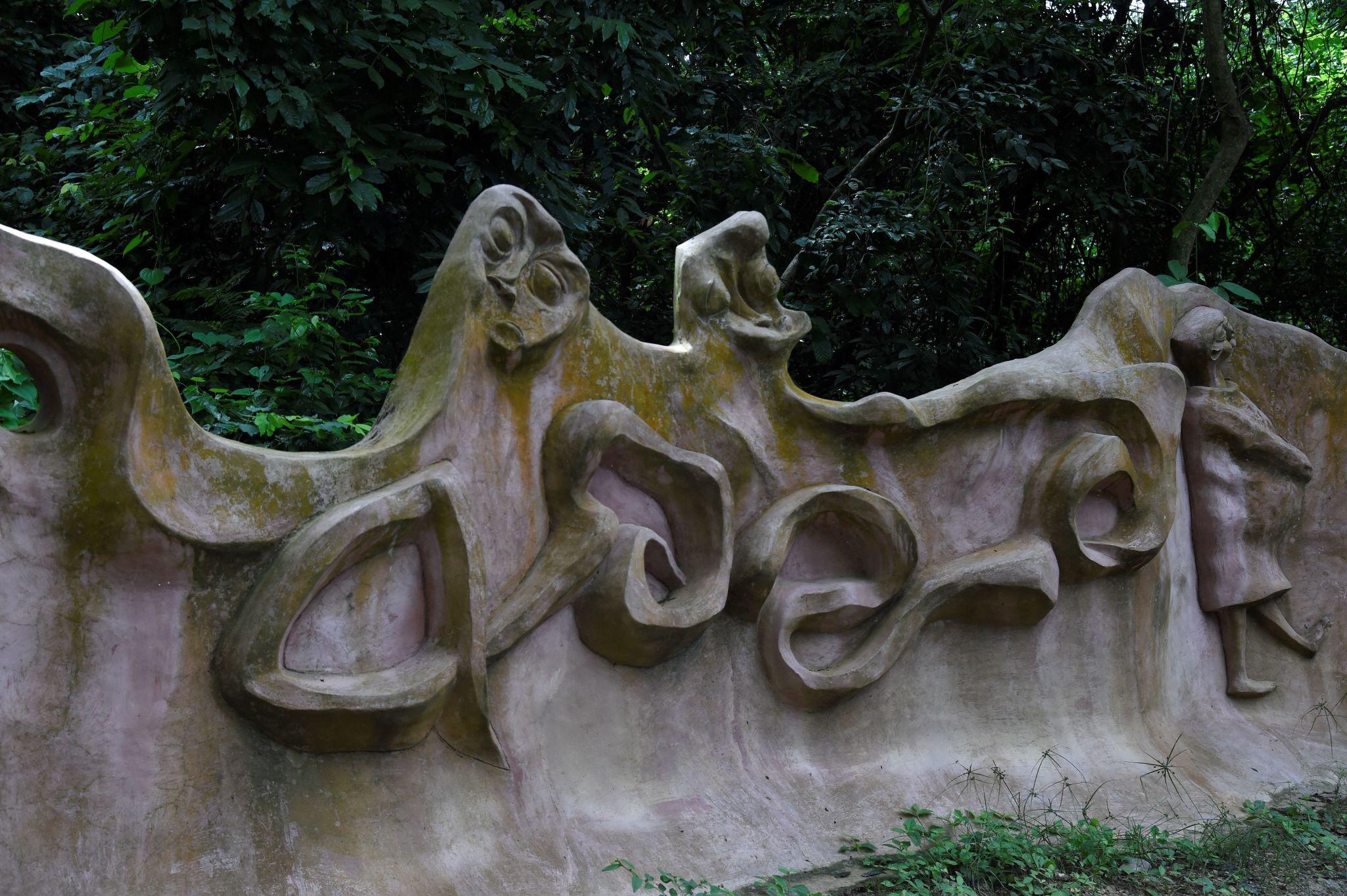
Sacred spaces such as the Osun-Osogbo Sacred Grove reflect this understanding of harmony between nature and spirituality.
Protecting nature is therefore not only ecological but also spiritual.
Ifá Beyond Yorubaland
Through the African diaspora, Yoruba spiritual traditions spread to places such as Cuba, Brazil, Haiti, and the United States. Variations of Ifá and orisha worship continue to thrive globally, influencing religion, music, philosophy, and culture.
Despite geographical distance and historical disruption, the core ideas of balance, destiny, spiritual connection, and moral living remain central to these traditions.
Conclusion
Yoruba cosmology, as understood through Ifá, presents a universe filled with meaning, balance, and interconnectedness. It teaches that human beings are part of a larger spiritual order linking nature, ancestors, divine forces, and destiny.
Through wisdom, moral character, and spiritual awareness, individuals seek harmony within this universe and alignment with their purpose.
Far from being merely ancient belief, Ifá remains a living philosophy that continues to guide, inspire, and shape Yoruba identity across generations and continents.