Introduction
Yoruba culture is no longer confined to West Africa. Through the transatlantic slave trade, migration, religious networks, and modern cultural exchange, Yoruba traditions have taken root across the Americas, Europe, and other parts of the world. One of the clearest signs of this global presence is the growing number of Yoruba cultural festivals held outside Africa.
These festivals are more than entertainment. They are spaces where descendants of Yoruba people reconnect with their heritage, where traditional religion and culture are celebrated, and where music, dance, language, and history continue to be passed to new generations.
The Global Journey of Yoruba Culture
Between the sixteenth and nineteenth centuries, thousands of Yoruba men and women were transported across the Atlantic to places such as Brazil, Cuba, Trinidad and Tobago, and other parts of the Caribbean and Latin America.
Although they were separated from their homeland, they preserved important aspects of their culture, including:
* Worship of the Òrìṣà. * Drumming traditions. * Dance and festivals. * Oral poetry. * Ritual language. * Community celebrations.
Over time, these traditions evolved into vibrant cultural and religious festivals that continue today.
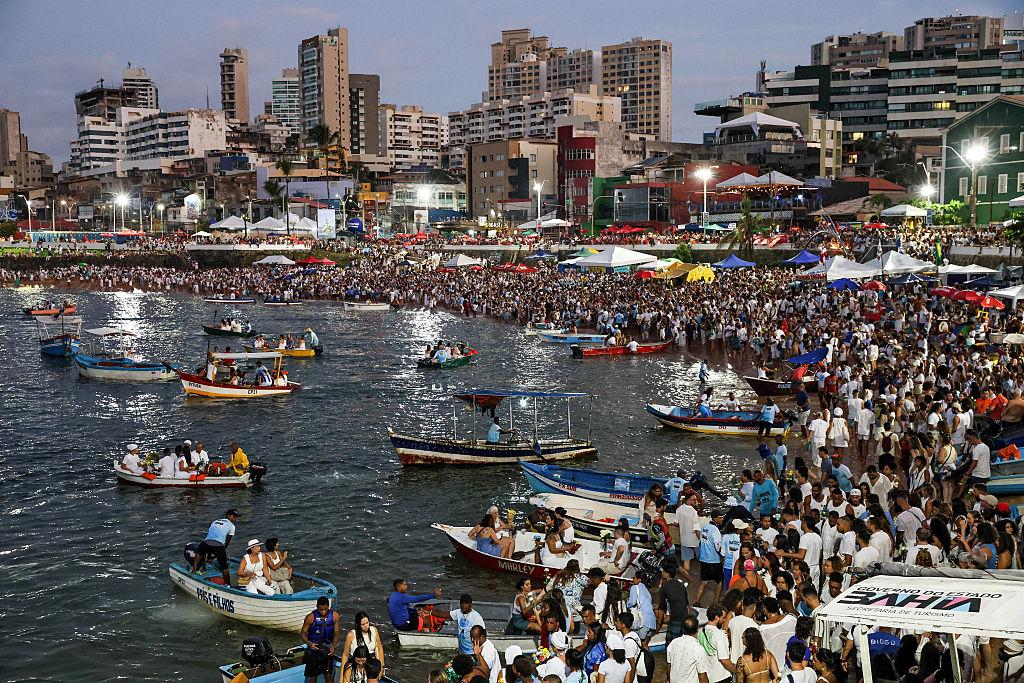
The Festival of Iemanjá in Brazil
One of the largest Yoruba-inspired festivals outside Africa is the Festival of Iemanjá in Brazil.
Held annually on 2 February, especially in Salvador, the festival honours Iemanjá.
During the celebration, thousands of people:
* Dress in white and blue. * Carry flowers and offerings to the sea. * Sing and dance. * Participate in religious ceremonies. * Celebrate Afro-Brazilian heritage.
The festival attracts both practitioners of Candomblé and members of the wider public, making it one of Brazil’s most visible expressions of Yoruba cultural influence.
Cuban Òrìṣà Festivals
In Cuba, Yoruba traditions survive through the Lucumí and Santería traditions.
Festivals honouring Òrìṣà such as Changó, Ochún, and Yemayá feature:
* Sacred Batá drumming. * Ceremonial dance. * Processions. * Traditional songs in Lucumí. * Community gatherings.
Many of these celebrations preserve Yoruba musical and spiritual traditions that have survived for centuries.
Orisha Festivals in Trinidad and Tobago
Trinidad and Tobago hosts important festivals associated with the Orisha religion, which developed from Yoruba spiritual traditions.
These events often include:
* Drumming and chanting. * Ritual dancing. * Traditional attire. * Food offerings. * Public celebrations of African heritage.
The Orisha tradition is now recognised as an important part of the nation’s cultural landscape.
Yoruba Heritage Festivals in the United States
Growing Yoruba communities in cities such as New York City, Houston, and Atlanta organise annual cultural festivals that celebrate Yoruba identity.
These events commonly feature:
* Traditional drumming. * Talking drum performances. * Yoruba language competitions. * Fashion shows featuring aso-oke. * Traditional food. * Lectures on Yoruba history and culture. * Children’s cultural education programmes.
Many festivals aim to help younger generations maintain a connection to their ancestral heritage.
Yoruba Festivals in the United Kingdom
The United Kingdom, particularly London, has become another important centre of Yoruba cultural activity.
Annual festivals and community events celebrate:
* Yoruba music. * Literature. * Traditional marriage customs. * Religious heritage. * Contemporary Nigerian culture. * Diaspora achievements.
These gatherings often attract participants from Nigeria, Brazil, Cuba, and other parts of the Yoruba diaspora.
The International Òrìṣà Congress
One of the most significant global gatherings of Yoruba spiritual practitioners is the International Òrìṣà Congress.
Participants from Africa, the Caribbean, North America, South America, and Europe come together to discuss:
* Yoruba religion. * Cultural preservation. * Language. * History. * Art and music. * Connections between Yorubaland and the diaspora.
The congress reflects the increasingly global nature of Yoruba cultural identity.
Music and Dance as Festival Highlights
Wherever Yoruba festivals are held, music and dance remain central.
Common features include:
* Talking drum ensembles. * Batá drumming. * Traditional praise singing. * Òrìṣà dances. * Afrobeat performances. * Contemporary Nigerian music.
These performances create a bridge between ancient traditions and modern cultural expression.
Food, Fashion, and Community
Yoruba festivals outside Africa also celebrate everyday culture.
Visitors often enjoy:
* Jollof rice. * Amala and ewedu. * Pounded yam. * Suya. * Traditional attire such as aso-oke and gele. * Art exhibitions and craft displays.
These elements help create a sense of belonging and shared identity among diaspora communities.
Why These Festivals Matter
Yoruba cultural festivals outside Africa serve several important purposes:
* Preserving heritage. * Teaching younger generations. * Strengthening community bonds. * Combating cultural erasure. * Promoting intercultural understanding. * Reconnecting diaspora communities with Yorubaland.
They demonstrate that culture can survive displacement and continue to evolve across continents.
Conclusion
From the beaches of Salvador to the streets of Havana, from Port of Spain to London and New York City, Yoruba cultural festivals continue to thrive far beyond Africa.
These celebrations are living proof that the Yoruba people carried more than memories across the Atlantic. They carried a civilisation rich in music, spirituality, language, art, and communal values.
Centuries later, those traditions remain vibrant, connecting millions of people across the world to a shared heritage rooted in Yorubaland.
In every drumbeat, dance, prayer, and festival procession, the story of Yoruba culture continues to be told—not only in Africa, but across the globe.