Introduction
The story of the Yoruba people did not end at the shores of West Africa. Through one of the darkest chapters in human history, the transatlantic slave trade carried thousands of Yoruba men, women, and children across the Atlantic to the Caribbean and the Americas. Though they were violently separated from their homeland, they carried with them something that proved impossible to erase: their language, beliefs, music, customs, and understanding of the world.
Today, millions of people across the Caribbean trace some of their ancestry to the Yoruba. Some know their heritage through family history, while others preserve it through religion, music, dance, festivals, language, and cultural practices that have survived for generations.
Although centuries have passed, the influence of the Yoruba remains deeply woven into Caribbean life. From Cuba and Trinidad to Jamaica and beyond, Yoruba heritage continues to shape religious traditions, artistic expression, and cultural identity.
The Yoruba and the Atlantic Slave Trade
During the eighteenth and nineteenth centuries, many Yoruba-speaking people were captured during periods of warfare and political instability, particularly following the decline of the Old Oyo Empire.
They were transported to colonies across the Caribbean, including:
* Cuba * Trinidad and Tobago * Jamaica * Barbados * Grenada * Saint Lucia * Other islands under Spanish, British, French, and Dutch rule
Although enslaved Africans came from many ethnic groups, the Yoruba became one of the most influential because of their numbers and the resilience of their cultural traditions.
Cuba: A Stronghold of Yoruba Heritage
Cuba is home to one of the strongest surviving expressions of Yoruba culture outside Africa.
The Yoruba descendants in Cuba became widely known as the Lucumí, and their spiritual traditions evolved into what is now known as Santería or Regla de Ocha.
Many Yoruba traditions remain visible through:
* Worship of the Òrìṣà. * Sacred drumming. * Ritual dance. * Divination. * Ceremonial clothing. * Liturgical Yoruba language.
Even today, many religious songs in Cuba retain Yoruba words and expressions that have been preserved for generations.
Trinidad and Tobago: The Orisha Tradition
In Trinidad and Tobago, Yoruba spiritual traditions developed into what is commonly called the Orisha religion.
Although influenced by local history and interactions with Christianity, the tradition continues to preserve important Yoruba elements, including:
* Devotion to the Òrìṣà. * Sacred drumming. * Ceremonial dancing. * Ritual offerings. * Spiritual leadership.
The Orisha religion was once discouraged under colonial rule but is now openly practised and recognised as an important part of Trinidad and Tobago's cultural heritage.
Jamaica and Yoruba Cultural Memory
Although the Yoruba religious tradition did not remain as institutionally organised in Jamaica as it did in Cuba or Trinidad, Yoruba influence can still be found in aspects of Jamaican culture.
Scholars have identified Yoruba contributions to:
* Traditional music. * Religious practices. * Folklore. * Naming traditions. * Dance. * Language.
Certain Afro-Jamaican spiritual traditions, such as Kumina, reflect influences from several African cultures, including Yoruba traditions, although they are not exclusively Yoruba in origin.
Yoruba Language Across the Caribbean
While English, Spanish, French, and Dutch became the dominant languages of the Caribbean, elements of Yoruba survived in religious life.
Many communities continue to preserve Yoruba words in:
* Sacred prayers. * Ritual songs. * Greetings. * Names of the Òrìṣà. * Ceremonial chants.
In Cuba, the liturgical language known as Lucumí preserves numerous Yoruba expressions, even though it has evolved over-time.
This linguistic survival demonstrates the remarkable endurance of oral tradition.
Music, Drumming, and Dance
One of the strongest links between Yorubaland and the Caribbean is music.
Traditional rhythms introduced by Yoruba ancestors continue to influence:
* Religious ceremonies. * Carnival performances. * Folk music. * Contemporary popular music.
Sacred drums such as the Batá remain central to many religious ceremonies, while dance continues to express devotion, storytelling, and communal identity.
Music has become one of the most enduring carriers of Yoruba heritage across the Atlantic.
Festivals That Celebrate Yoruba Heritage
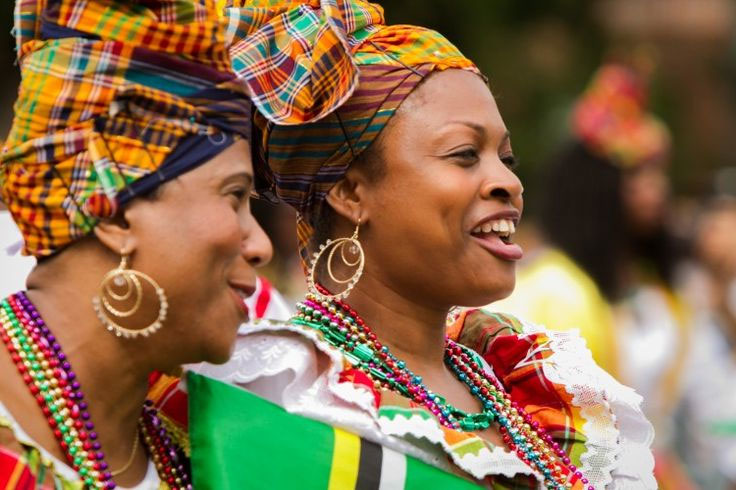
Across the Caribbean, festivals honouring African heritage often include Yoruba traditions.
These celebrations may feature:
* Drumming. * Dancing. * Traditional dress. * Religious ceremonies. * Storytelling. * Cultural education.
Such events provide opportunities for younger generations to learn about their African ancestry and preserve traditions that have survived for centuries.
Renewing Connections with Yorubaland
In recent decades, many Caribbean descendants of the Yoruba have sought to reconnect with their ancestral homeland.
Scholars, artists, religious leaders, and community members regularly travel to Nigeria to:
* Visit sacred sites. * Study Yoruba history. * Learn the Yoruba language. * Participate in festivals. * Strengthen cultural relationships.
Likewise, Nigerian cultural organisations increasingly collaborate with Caribbean communities to celebrate their shared heritage.
These exchanges have helped bridge centuries of separation.
Yoruba Identity in the Modern Caribbean
Today, Yoruba descendants contribute to every aspect of Caribbean society.
They are:
* Artists. * Musicians. * Religious leaders. * Academics. * Business owners. * Public servants. * Cultural activists.
Many embrace multiple identities at once, proudly identifying as Cuban, Trinidadian, Jamaican, or Barbadian while also recognising their African and Yoruba heritage.
This layered identity reflects the complex history of the Caribbean itself.
Challenges and Cultural Preservation
Like many traditional cultures, Yoruba heritage in the Caribbean faces challenges.
Globalisation, urbanisation, and changing lifestyles have affected the transmission of traditional knowledge.
In response, cultural organisations, museums, universities, and religious communities continue to:
* Document oral histories. * Teach traditional music. * Preserve sacred languages. * Organise festivals. * Support historical research.
These efforts ensure that Yoruba heritage remains a living tradition rather than simply a subject of history.
Conclusion
The descendants of the Yoruba in the Caribbean are living witnesses to one of history's most extraordinary stories of cultural survival. Despite the trauma of enslavement and displacement, they preserved essential elements of their ancestral heritage through religion, music, language, dance, and communal memory.
Today, Yoruba influence can still be seen across Cuba, Trinidad and Tobago, Jamaica, and other Caribbean societies. Whether through Santería, the Orisha tradition of Trinidad, sacred drumming, or the continued use of Yoruba words in ritual life, the legacy of Yorubaland remains vibrant.
The journey from West Africa to the Caribbean was one of profound suffering, but it also became a story of resilience. Across generations and across oceans, Yoruba descendants have safeguarded a heritage that continues to inspire pride, strengthen communities, and connect millions of people to their ancestral roots.