Introduction
The history of the Yoruba people extends far beyond the borders of present-day Nigeria. Across the Atlantic Ocean, especially in Brazil, Yoruba culture survived one of the darkest periods in human history and transformed into a powerful symbol of resilience, spirituality, and cultural identity.
Despite the horrors of the trans Atlantic slave trade, enslaved Yoruba people carried their language, beliefs, music, traditions, and worldview with them to the Americas. In Brazil, these traditions evolved over centuries and became deeply rooted in society through religion, art, music, food, festivals, and community life.
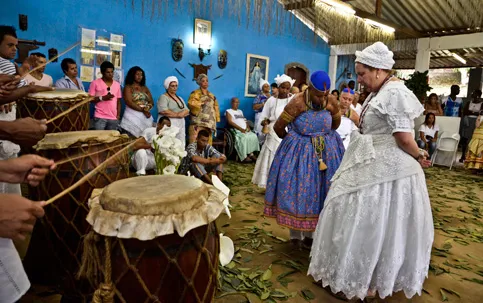
One of the strongest expressions of this cultural survival is Candomblé, an Afro-Brazilian religion that preserves many Yoruba spiritual traditions to this day. Through Candomblé and other cultural practices, the Yoruba diaspora in Brazil continues to protect and celebrate a heritage that refused to disappear.
The Arrival of the Yoruba People in Brazil
During the trans Atlantic slave trade between the 16th and 19th centuries, millions of Africans were forcibly transported to the Americas. Among them were large numbers of Yoruba people from regions that are now part of southwestern Nigeria and the Republic of Benin.
Many of these individuals were taken during periods of political instability, warfare, and the collapse of powerful Yoruba states such as the Oyo Empire. Slave traders transported them across the Atlantic to work on plantations, in mines, and in urban centers throughout Brazil.
Brazil became one of the largest destinations for enslaved Africans in the Americas. Cities such as Salvador da Bahia developed significant African populations, including strong Yoruba communities.
Even under brutal conditions, the Yoruba people preserved aspects of their identity through oral tradition, music, spirituality, naming systems, and communal gatherings.
The Meaning of Candomblé
Candomblé is one of Brazil’s most important Afro-Brazilian religions. It developed from the spiritual traditions brought by enslaved Africans, especially Yoruba, Fon, and Bantu peoples.
Among Yoruba descendants in Brazil, the Yoruba religious system became especially influential. In Brazil, Yoruba deities known as oriṣa are called orixás.
Many important Yoruba spiritual figures survived within Candomblé, including:
Ọ̀ṣun, associated with love, fertility, and rivers
Ṣàngó, associated with thunder and power
Yemoja, connected with motherhood and the sea
Ogun, associated with iron and warfare
Ọbatala, linked to purity and creation
These spiritual traditions were preserved even when enslaved Africans were forced to adopt Christianity. Many practitioners secretly maintained their ancestral beliefs while outwardly appearing to follow Catholic traditions.
Over time, this blending of traditions created a unique religious and cultural system that still carries strong Yoruba foundations.
Salvador da Bahia and Yoruba Influence
The city of Salvador in Bahia became one of the most important centers of African culture in the Americas. Yoruba descendants played a major role in shaping the identity of the city.
Today, Salvador is widely recognized for:
African-influenced music
Traditional drumming
Afro-Brazilian cuisine
Religious festivals
Dance traditions
Colorful clothing and beadwork
Spiritual ceremonies connected to Candomblé
The Yoruba influence can be seen in everyday life, from language expressions to ceremonial rituals and artistic performances.
Many Afro-Brazilian families in Bahia still preserve Yoruba names, chants, and sacred traditions passed down through generations.
Yoruba Language and Sacred Chants
Although Portuguese became the dominant language in Brazil, elements of the Yoruba language survived through religious ceremonies and sacred songs.
In Candomblé temples, many chants and prayers still contain Yoruba words and phrases. These linguistic fragments have been preserved for centuries and remain spiritually important to practitioners.
The survival of Yoruba vocabulary in Brazil demonstrates the strength of cultural memory even after generations of displacement and oppression.
Some communities and scholars in Brazil are now actively studying the modern Yoruba language to reconnect more deeply with their African roots.
Resistance and Cultural Survival
Preserving Yoruba traditions in Brazil was not easy. During colonial times, African religions were often persecuted and viewed negatively by authorities.
Practitioners of Candomblé faced:
Religious discrimination
Police raids
Social stigma
Attempts to suppress African traditions
Despite this oppression, Afro-Brazilian communities continued protecting their spiritual systems through secrecy, family networks, and community solidarity.
The survival of Candomblé represents one of the greatest examples of cultural resistance in the African diaspora.
It proved that even under slavery and colonization, African identity could not be completely erased.
Music, Dance, and Yoruba Heritage
Yoruba influence is deeply woven into Brazilian music and dance traditions.
Rhythmic drumming patterns used in Candomblé ceremonies strongly resemble traditional Yoruba drumming styles. Dance movements also reflect spiritual symbolism connected to different orixás.
These traditions influenced broader Brazilian culture, including:
Samba
Capoeira music
Afro-Brazilian percussion
Carnival performances
Ceremonial dance traditions
Music became not only entertainment but also a method of preserving memory, spirituality, and identity.
Food and Cultural Identity
Food also became an important part of Yoruba cultural survival in Brazil.
Several Afro-Brazilian dishes carry African influences through ingredients, cooking techniques, and ceremonial use.
In Candomblé, certain foods are prepared as offerings to specific orixás, similar to traditional Yoruba spiritual practices.
Palm oil, beans, yam-based dishes, and spicy stews remain culturally significant in many Afro-Brazilian communities.
These culinary traditions continue to connect people with their ancestral heritage.
Reconnection with Africa
In recent decades, many Afro Brazilians have sought stronger connections with their African roots, especially Yoruba heritage.
Some individuals travel to Nigeria and Benin to:
Learn about Yoruba history
Study traditional religion
Participate in festivals
Reconnect with ancestral communities
Explore language and culture
Cultural exchanges between Brazil and Yoruba communities in West Africa have grown significantly.
Festivals, academic programs, and spiritual networks now help strengthen ties across the Atlantic.
Global Importance of the Yoruba Diaspora
The Yoruba diaspora in Brazil represents one of the most powerful examples of African cultural survival in world history.
Despite slavery, forced migration, and centuries of oppression, Yoruba traditions survived and became part of Brazil’s national identity.
Today, Yoruba heritage in Brazil contributes to:
Religious diversity
Artistic creativity
Music and dance culture
Academic research
African identity movements
Global appreciation of African civilizations
The story also reminds the world that African cultures were not destroyed by slavery. Instead, they adapted, evolved, and continued influencing societies across the globe.
Challenges Facing Cultural Preservation
Although Yoruba heritage remains strong in Brazil, challenges still exist.
Modern globalization, religious intolerance, and generational changes sometimes threaten traditional practices.
Some younger generations are becoming less connected to ancestral traditions, while Afro-Brazilian religions occasionally face discrimination from extremist groups.
However, many cultural organizations, scholars, artists, and spiritual leaders continue working to preserve and promote Afro-Brazilian heritage.
Digital media, music, documentaries, and educational programs are also helping younger people reconnect with their history.
Conclusion
The Yoruba diaspora in Brazil is a remarkable story of endurance, adaptation, and cultural survival. Through Candomblé, music, dance, language, and community traditions, Yoruba descendants preserved a powerful connection to their ancestral roots despite centuries of displacement and oppression.
Today, the influence of Yoruba culture remains visible throughout Brazil, especially in Bahia, where African heritage continues to shape identity and spiritual life.
The story of Yoruba Brazilians is not only about survival. It is about triumph, memory, pride, and the unbreakable strength of culture across generations and oceans.