Introduction
Food in Yoruba culture is not just about eating. It is about identity, community, and rhythm. From the way meals are prepared to how they are shared, food reflects history, environment, and values passed down through generations.
Across southwestern Nigeria and the Yoruba diaspora, meals are deeply rooted in tradition. Whether it is a simple bowl of eba after a long day or a rich pot of pepper soup at a gathering, every dish carries meaning. Yoruba cuisine tells a story of resilience, creativity, and connection.
The Foundation: Swallow and Soup
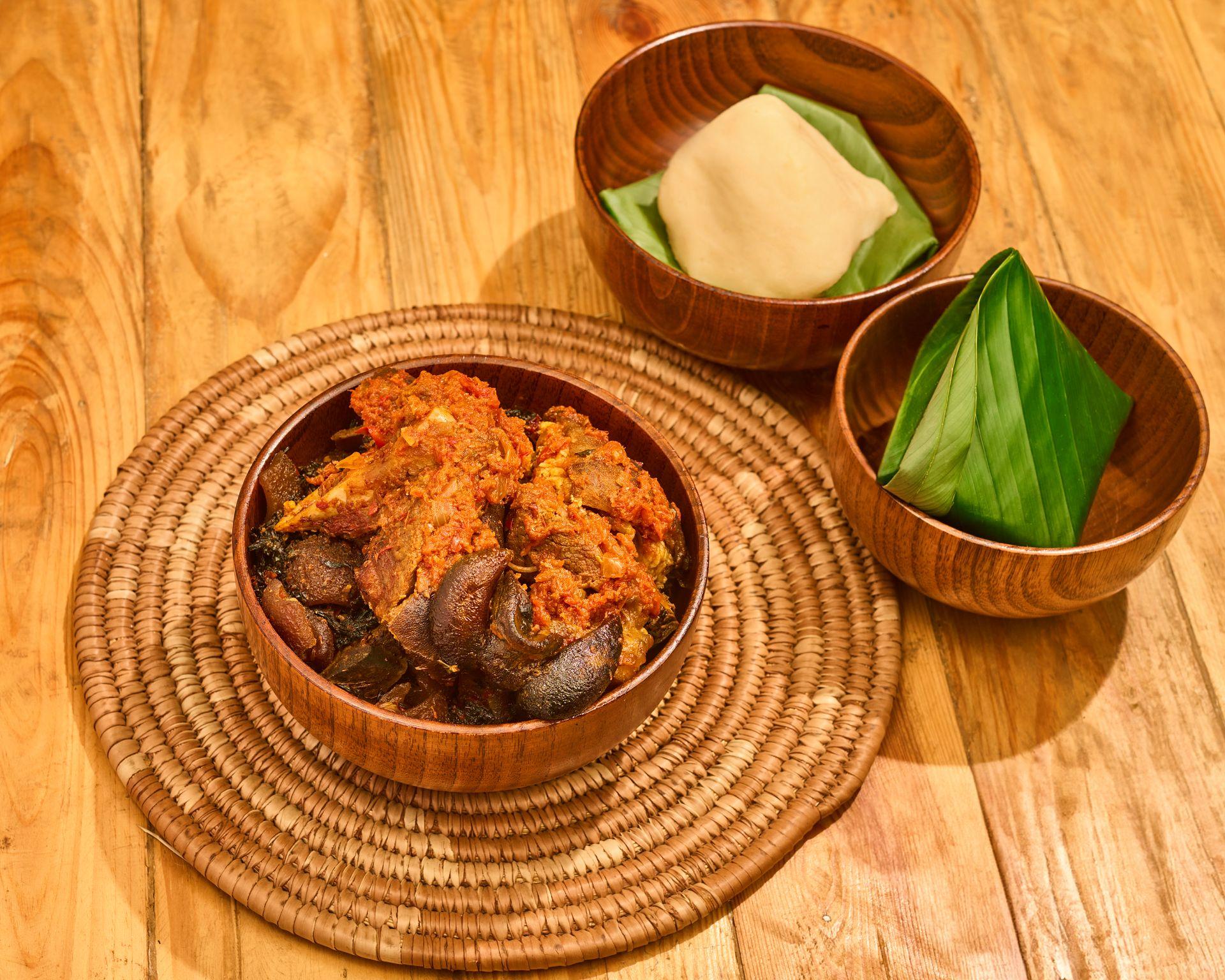
At the heart of Yoruba food culture is the concept of swallow and soup. Swallow refers to starchy foods that are soft, smooth, and easy to mold by hand. They are paired with richly flavored soups that provide taste, nutrition, and satisfaction.
One of the most common swallows is Eba, made from processed cassava flour stirred into hot water. It is affordable, filling, and widely loved.
Another staple is amala, a dark, slightly stretchy swallow made from yam flour. It is often served with ewedu and gbegiri, creating a combination that is both nutritious and culturally iconic.
There is also iyan, or pounded yam, known for its smooth texture and premium feel, often served at celebrations or special occasions.
Eating swallow is a tactile experience. It is traditionally eaten with the right hand, rolled into small portions and dipped into soup. It is as much about feeling as it is about taste.
Soups: The Soul of the Meal
If swallow is the body of the meal, soup is its soul. Yoruba soups are rich, layered, and deeply satisfying.
One of the most popular is Egusi Soup, made from ground melon seeds, vegetables, and assorted meats or fish. It is thick, hearty, and full of flavor.
Ewedu, a green, silky soup made from jute leaves, is often paired with gbegiri, a smooth bean soup, to create a balanced and nutritious meal.
Okra soup is loved for its “draw” texture, while ogbono soup, made from wild mango seeds, offers a unique, slightly stretchy consistency that many find comforting.
These soups are not just recipes. They are expressions of local ingredients, cooking techniques, and generational knowledge.
Pepper Soup: Comfort, Heat, and Healing
Few dishes capture the warmth of Yoruba cuisine like Pepper Soup. Light yet intense, pepper soup is known for its bold spices and aromatic herbs.
It can be made with goat meat, fish, chicken, or assorted meats, each bringing its own character to the dish. The broth is infused with traditional spices that give it both flavor and medicinal value.
Pepper soup is often served at gatherings, enjoyed during cold weather, or prepared for someone recovering from illness. It is food that comforts, heals, and energizes all at once.
Street Food and Everyday Delights
Beyond home cooked meals, Yoruba food culture thrives in the streets.
Akara is a popular breakfast made from blended beans and fried into soft, golden balls. It is often eaten with pap or bread.
Suya, though originally associated with northern Nigeria, has become a beloved street food across Yoruba cities. Spiced and grilled to perfection, it is a favorite for evening cravings.
Moin moin, a steamed bean pudding wrapped in leaves or containers, is another staple, often served at parties and ceremonies.
Boli, roasted plantain, is simple yet deeply satisfying, especially when paired with groundnut or spicy sauce.
These foods reflect the fast paced, vibrant life of urban Yoruba communities.
Food and Culture: More Than a Meal
In Yoruba society, food is closely tied to culture and tradition. It plays a role in:
* Naming ceremonies * Weddings and celebrations * Religious festivals * Family gatherings
Meals are often shared, reinforcing unity and togetherness. Serving food is an act of hospitality, and refusing food can sometimes be seen as impolite.
There is also a strong connection between food and respect. Younger people are often expected to serve elders, and certain dishes are prepared with special care during important occasions.
Modern Influences and Global Reach
Today, Yoruba cuisine continues to evolve. Restaurants in cities like Lagos are reimagining traditional dishes with modern presentation, while still preserving authentic flavors.
In the diaspora, Yoruba food has found its way into global kitchens, introducing new audiences to its richness and diversity. From London to New York, dishes like eba and egusi are now part of a wider culinary conversation.
Despite these changes, the essence remains the same. Yoruba food is still about flavor, community, and identity.
Conclusion
Yoruba food culture is a celebration of life itself. It is bold, diverse, and deeply rooted in tradition. From the simplicity of eba to the comforting heat of pepper soup, every dish tells a story.
It is a culture where food is not just consumed but experienced. Where every meal carries memory, meaning, and connection.
And once you taste it, you begin to understand that Yoruba cuisine is not just something you eat. It is something you feel.