Introduction
The Yoruba are often associated with south-western Nigeria, but their history has never been confined by the borders of the modern Nigerian state. Long before European explorers, missionaries, and colonial administrators arrived in West Africa, Yoruba-speaking communities had already migrated, traded, and established settlements far beyond what is now Nigeria.
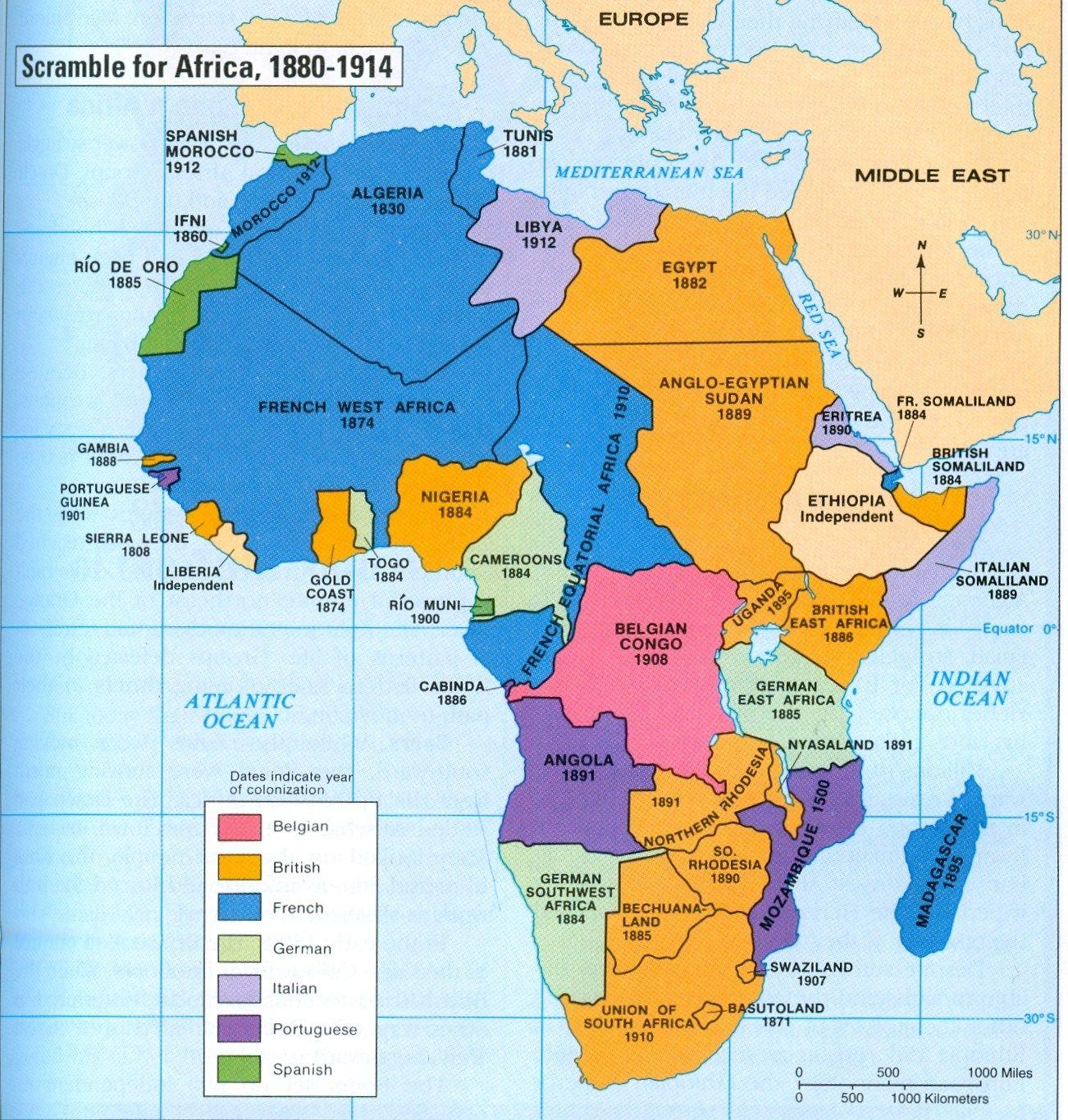
These movements were driven by a variety of factors, including population growth, trade, political alliances, warfare, religious expansion, and the search for fertile land. As a result, Yoruba communities became established across parts of present-day Benin, Togo, and neighbouring regions centuries before the colonial boundaries drawn at the Berlin Conference divided long-standing cultural landscapes.
A Region Without Modern Borders
Before the late nineteenth century, there was no country called Nigeria.
Instead, West Africa consisted of numerous independent kingdoms, city-states, and communities connected through:
* Trade. * Marriage. * Diplomacy. * Religious traditions. * Migration. * Shared languages.
People moved relatively freely across these regions, and cultural identities often extended beyond what later became national borders.
Early Expansion from Ilé-Ifẹ̀
According to Yoruba oral traditions, many royal dynasties trace their origins to Ile-Ife, which is regarded as the ancestral homeland of the Yoruba people.
Over several centuries, princes, hunters, warriors, and settlers established new communities that eventually became independent kingdoms. These migrations contributed to the founding of numerous Yoruba-speaking settlements both within and beyond present-day Nigeria.
While oral traditions differ in their details, historians agree that migration played a central role in the spread of Yoruba culture across West Africa.
Yoruba Communities in Present-Day Benin
Today, some of the largest Yoruba populations outside Nigeria live in Benin.
Long before colonial rule, Yoruba-speaking communities had become established in places such as:
* Porto-Novo. * Kétou. * Sakété. * Pobè.
The historic Kingdom of Kétou, in particular, is deeply connected to Yoruba traditions and maintains strong cultural ties with Ile-Ife. These communities continue to preserve Yoruba language, festivals, traditional religion, and royal institutions.
Yoruba Settlements in Present-Day Togo
Yoruba migration also reached parts of present-day Togo, particularly in the southern regions.
Although Yoruba-speaking populations in Togo are smaller than those in Benin, migration through trade, marriage, and settlement established communities that have maintained elements of Yoruba identity for generations.
These communities often interacted with neighbouring Ewe, Aja, and other ethnic groups, creating rich cultural exchanges while preserving their own traditions.
Trade as a Driver of Migration
Trade was one of the most important reasons for migration.
Yoruba merchants travelled widely to exchange:
* Kola nuts. * Textiles. * Iron tools. * Beads. * Pottery. * Palm oil. * Agricultural produce.
As merchants settled in commercial centres, permanent Yoruba communities often emerged along important trade routes.
Political Alliances and Warfare
Political developments also encouraged migration.
At different times, people relocated because of:
* The founding of new kingdoms. * Dynastic succession. * Military campaigns. * Internal disputes. * Alliances between rulers.
The decline of some kingdoms and the rise of others led families, craftsmen, and merchants to establish new settlements across the wider region.
Religion and Cultural Exchange
Migration helped spread Yoruba religious traditions beyond present-day Nigeria.
Communities carried with them:
* The worship of the Òrìṣà. * Ifá divination. * Royal ceremonies. * Festivals. * Oral literature. * Traditional music and dance.
These practices became part of the cultural life of many settlements across the region and, in some places, blended with local traditions.
Archaeological and Historical Evidence
Historians reconstruct these migrations using several types of evidence:
* Oral traditions. * Archaeological discoveries. * Linguistic studies. * Royal genealogies. * Early European accounts from the fifteenth century onward.
Together, these sources indicate that Yoruba cultural influence extended well beyond the borders of modern Nigeria before European colonisation.
The Legacy of Pre-Colonial Migration
The legacy of these early migrations remains visible today.
Across Benin and Togo, many communities continue to celebrate:
* Yoruba festivals. * Traditional kingship. * Indigenous religious practices. * The Yoruba language. * Shared family lineages.
Modern international borders separate these communities politically, but centuries of shared history continue to unite them culturally.
Conclusion
Yoruba migration beyond present-day Nigeria began long before European contact or the creation of modern national boundaries. Through trade, settlement, diplomacy, agriculture, and the founding of new kingdoms, Yoruba-speaking communities established enduring cultural centres across Benin, Togo, and neighbouring regions.
These movements helped spread the Yoruba language, political institutions, religious traditions, and artistic achievements throughout West Africa. The continued presence of vibrant Yoruba communities outside Nigeria is a testament to centuries of mobility and cultural exchange, reminding us that the history of the Yoruba people has always extended far beyond the borders of any single modern nation.