Introduction
Among the Yoruba people, words carry weight. Speech is not merely a tool for communication but a vessel of wisdom, memory, and philosophy. This is why proverbs hold such an important place in Yoruba culture. Known as Òwe, Yoruba proverbs are short but powerful expressions that capture deep truths about life, character, relationships, and society.
There is a famous Yoruba saying: “Òwe lẹṣin ọ̀rọ̀; bí ọ̀rọ̀ bá sọnù, òwe la fi ń wá a.”\ This means, “A proverb is the horse of conversation; when words are lost, proverbs help to find them.”
In Yoruba society, proverbs enrich speech, sharpen understanding, and preserve ancestral wisdom across generations.
The Role of Proverbs in Yoruba Culture
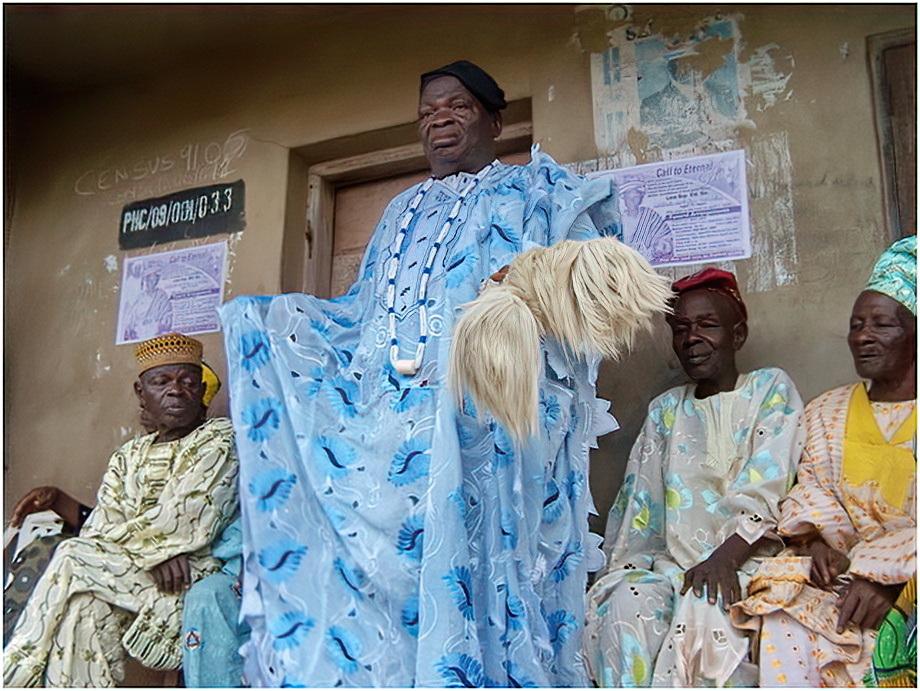
Proverbs are woven into everyday Yoruba life. They appear in conversations, storytelling, ceremonies, songs, and even conflict resolution. Elders often use them to advise younger people, settle disputes, or teach moral lessons without speaking harshly or directly.
Rather than giving blunt instructions, Yoruba culture values wisdom delivered with thoughtfulness and imagery. Proverbs allow people to communicate complex ideas in ways that are memorable and respectful.
They also reflect the Yoruba worldview, where patience, humility, hard work, and communal harmony are deeply valued.
Proverbs as a Form of Education
Before formal education became widespread, proverbs were among the tools used to teach life lessons. Through them, children learned:
* Respect for elders * The importance of patience * The consequences of greed and pride * The value of wisdom over impulsiveness
Because proverbs often use metaphor and symbolism, they encourage listeners to think deeply and interpret meaning for themselves. In this way, they develop not only knowledge but also reflection and emotional intelligence.
Popular Yoruba Proverbs and Their Meanings
“Bí ọmọde bá ṣubú, á wo iwájú; bí àgbàlagbà bá ṣubú, á wo ẹ̀yìn.”
“When a child falls, they look forward. When an elder falls, they look back.”
This proverb teaches that experience brings reflection. Young people may move on quickly from mistakes, but elders often examine the deeper causes and lessons behind failure.
“Ọ̀rọ̀ pẹ̀lẹ́ ni ń ṣẹ́gun ọ̀rọ̀ líle.”
“Gentle words overcome harsh words.”
This reflects the Yoruba belief in calmness, diplomacy, and emotional restraint. Respectful speech is seen as more effective than aggression.
“Àgbà kì í wà lójà kí orí ọmọ tuntun wọ.”
“An elder cannot be in the marketplace while a child’s head hangs awkwardly.”
This proverb highlights the responsibility of elders to guide and protect younger generations.
“Ẹni tí a bá fẹ́ l’a ń wọ̀.”
“It is the person we care about that we correct.”
Correction and discipline, when done sincerely, are viewed as acts of care rather than hatred.
“Sùúrù l’èrè.”
“Patience is profitable.”
One of the most widely used Yoruba proverbs, it emphasizes endurance, self control, and trust in time.
The Poetry and Beauty of Yoruba Proverbs
Yoruba proverbs are admired not only for their wisdom but also for their poetic quality. They often use rhythm, imagery, symbolism, and humor. Animals, nature, farming, and everyday experiences are commonly used to explain human behavior.
A tortoise may symbolize cunning. A tree may represent stability. Rain may stand for blessing or hardship.
Because of this rich imagery, proverbs are emotionally powerful and easy to remember. They turn ordinary speech into something artistic and profound.
Proverbs in Leadership and Social Life
In Yoruba communities, proverbs are especially important in leadership and public speaking. Kings, chiefs, and elders often use them during meetings, ceremonies, and dispute resolution.
A speaker who understands proverbs is considered wise, cultured, and emotionally intelligent. The ability to use the right proverb at the right moment is highly respected.
Even today, politicians, musicians, writers, and religious leaders continue to draw from this rich tradition.
Yoruba Proverbs in Modern Times
Although modern lifestyles have changed the way people communicate, Yoruba proverbs remain relevant. They are shared on social media, referenced in music and films, and taught in schools and homes.
Many young Yoruba people are also rediscovering the importance of indigenous language and oral tradition, helping preserve these expressions for future generations.
In a fast moving digital world, proverbs continue to offer timeless guidance.
Conclusion
Yoruba proverbs are more than clever sayings. They are living expressions of philosophy, culture, and ancestral wisdom. Through a few carefully chosen words, they teach patience, humility, kindness, responsibility, and reflection.
They remind us that wisdom does not always need long speeches. Sometimes, the deepest truths are carried in the simplest sentences.
In Yoruba culture, words are powerful. And through proverbs, those words continue to guide, inspire, and connect generations across time.