Introduction
For centuries, the Yoruba people have practiced a deeply rooted system of traditional medicine known as Oògùn. More than a method of healing, Oògùn represents a broad understanding of health that connects the body, mind, spirit, and natural world.
In Yoruba culture, illness is not always seen as purely physical. Health is often understood as a balance between human beings, nature, spirituality, and community. Because of this, Yoruba traditional medicine combines herbal knowledge, spiritual practices, observation, and generations of experience.
Even today, despite the growth of modern medicine, many Yoruba communities continue to value traditional healing practices alongside contemporary healthcare.
The Meaning of Oògùn
In the Yoruba language, the word Oògùn can refer to medicine, remedy, charm, or healing substance, depending on the context. Traditionally, it involves the use of plants, roots, leaves, minerals, and natural preparations believed to restore balance and well-being.
Yoruba traditional medicine is based on extensive knowledge passed down through families, healers, and apprentices over generations. Many practitioners are highly skilled in identifying medicinal plants and understanding their effects on the body.
This knowledge was developed through careful observation of nature and centuries of practical experience.
Herbal Healing and Medicinal Plants
Herbal medicine forms the foundation of Oògùn. Different plants are prepared in various ways, including:
* Boiling into herbal mixtures * Grinding into powders * Soaking in water or local drinks * Applying directly to the skin
Certain herbs are traditionally used for fever, stomach discomfort, infections, childbirth recovery, or general wellness. Others are believed to strengthen the body or provide protection.
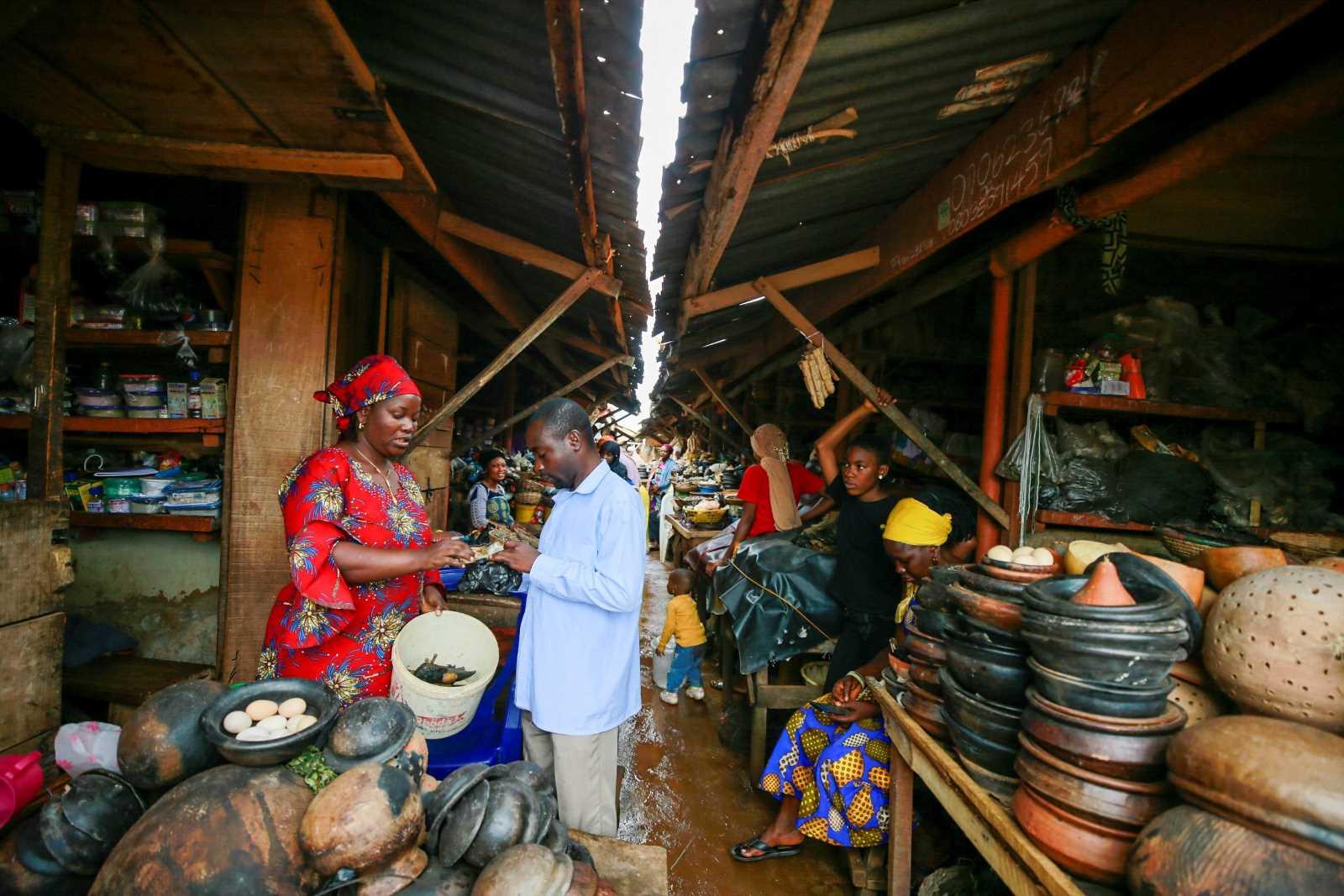
Markets across Yorubaland still contain sections dedicated to medicinal herbs, where experienced traders and healers sell roots, bark, leaves, and traditional remedies.
The Role of Traditional Healers
Traditional healers occupy respected positions in many Yoruba communities. These practitioners may include herbalists, diviners, birth attendants, and spiritual specialists.
One well known figure is the Babaláwo, a priest and diviner associated with the Ifá spiritual system. Through divination, a Babaláwo may seek insight into the spiritual or emotional causes of illness and recommend appropriate actions or remedies.
Healing in this context is often holistic. The goal is not only to treat symptoms but also to restore harmony in a person’s life.
Spiritual Dimensions of Healing
Yoruba traditional medicine is closely connected to spirituality. Some illnesses are believed to have emotional, ancestral, or spiritual dimensions that require more than physical treatment.
Prayers, divination, rituals, and symbolic acts may therefore accompany herbal remedies. In some cases, offerings or spiritual cleansing rituals are performed as part of the healing process.
This spiritual aspect reflects the Yoruba belief that human life is interconnected with unseen forces and ancestral influence.
Childbirth, Women, and Community Care
Traditional medicine has historically played an important role in childbirth and maternal care. Experienced birth attendants assisted women during pregnancy, labor, and postpartum recovery using herbal preparations, massage techniques, and community support systems.
Many families also relied on traditional remedies for childhood illnesses and everyday health concerns.
These practices helped strengthen communal bonds, as healing was often seen as a shared responsibility rather than an individual matter.
Knowledge, Preservation, and Modern Science
In recent years, researchers and health experts have shown increasing interest in traditional African medicinal knowledge. Some plants used in Yoruba healing practices are being studied scientifically for their medicinal properties.
At the same time, concerns have grown about preserving this knowledge as older generations pass away and modernization changes lifestyles. Efforts are being made to document medicinal plants and protect indigenous knowledge systems.
However, experts also emphasize the importance of safety, proper research, and professional medical guidance when using herbal remedies.
Oògùn in Contemporary Yoruba Society
Today, Yoruba traditional medicine exists alongside modern healthcare. Many people combine hospital treatment with traditional practices, especially for wellness, spiritual comfort, or cultural reasons.
Herbal clinics, wellness brands, and cultural practitioners continue to keep aspects of Oògùn alive in contemporary society. Younger generations are also showing renewed interest in indigenous knowledge and natural healing traditions.
This balance between tradition and modernity reflects the adaptability of Yoruba culture.
Conclusion
Yoruba traditional medicine, Oògùn, is more than a collection of remedies. It is a system of knowledge shaped by nature, spirituality, observation, and centuries of lived experience.
It reflects a worldview in which healing involves not only the body, but also the mind, spirit, and community. From medicinal herbs to spiritual guidance, Oògùn continues to represent an important part of Yoruba identity and cultural heritage.
In preserving these traditions, the Yoruba people preserve not only ancient practices, but also a philosophy of balance, care, and connection to the natural world.