Introduction
Among the many sacred knowledge systems of the Yoruba people, Ẹ̀rìndínlógún occupies a unique and respected place. Often described as the sixteen-cowrie divination system, it is a traditional method of seeking spiritual guidance, understanding life's challenges, and maintaining harmony between humanity, nature, the ancestors, and the Òrìṣà.
Although Ifá is the most widely known Yoruba divination system, Ẹ̀rìndínlógún has long been practised alongside it and holds an important place in Yoruba spirituality. It is especially associated with the worship of the Òrìṣà and is traditionally used by experienced priests and priestesses who have received the appropriate training and initiation.
Far from being a form of fortune-telling in the popular sense, Ẹ̀rìndínlógún is a disciplined spiritual practice grounded in wisdom, symbolism, ethics, and centuries of oral tradition.
What Does Ẹ̀rìndínlógún Mean?
The Yoruba word Ẹ̀rìndínlógún literally means "sixteen".
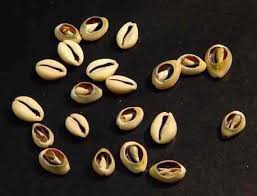
The name refers to the sixteen sacred cowrie shells used during the divination process. These shells are cast onto a specially prepared surface, and the pattern in which they fall is interpreted according to a body of sacred knowledge that has been preserved through generations.
Each pattern carries symbolic meanings connected to:
* Personal choices. * Relationships. * Health. * Community life. * Spiritual growth. * Moral conduct.
The diviner does not invent these meanings. Instead, they draw upon an established tradition of teachings, stories, and verses handed down through careful instruction.
The Relationship Between Ẹ̀rìndínlógún and Ifá
Ẹ̀rìndínlógún and Ifá share the same philosophical foundation and both seek to help people understand their lives in relation to divine wisdom.
However, they differ in their methods.
Ifá traditionally uses sacred palm nuts or the ọ̀pẹ̀lẹ̀ divination chain and is closely associated with Ọ̀rúnmìlà.
Ẹ̀rìndínlógún uses sixteen consecrated cowrie shells and is particularly associated with several Òrìṣà traditions, especially Ọ̀ṣun, though it is also used in the worship of other Òrìṣà depending on the lineage and community.
Both systems are respected and complement one another within Yoruba spiritual practice.
How the Divination Process Works
During a consultation, the trained diviner casts the sixteen cowrie shells onto a mat or sacred surface.
The way the shells land, whether open or closed, forms patterns that are interpreted through traditional knowledge.
The consultation often includes:
* Prayers. * Invocation of the Òrìṣà. * Interpretation of the shell patterns. * Advice based on sacred teachings. * Recommendations for restoring balance where necessary.
The aim is not simply to answer questions but to provide guidance that encourages wisdom, responsibility, and harmony.
The Role of the Diviner
Ẹ̀rìndínlógún is traditionally practised by experienced priests and priestesses, often known within different Òrìṣà traditions by titles such as Ìyálòrìṣà or Bàbálòrìṣà.
Their role extends far beyond interpreting symbols.
They are expected to:
* Preserve sacred knowledge. * Guide individuals with integrity. * Teach moral values. * Maintain ritual discipline. * Protect the traditions entrusted to them.
Training may take many years and involves learning oral teachings, rituals, history, ethics, and the responsibilities of spiritual leadership.
Cowrie Shells as Sacred Symbols
Cowrie shells have long held cultural and spiritual significance in Yorubaland.
Historically, they were used as:
* Currency. * Decorative objects. * Symbols of prosperity. * Sacred ritual items.
Within Ẹ̀rìndínlógún, the cowries are not regarded as magical objects in themselves. Their significance comes from their consecration and their role within a disciplined spiritual tradition.
They serve as instruments through which sacred knowledge is interpreted.
Guidance Rather Than Prediction
A common misunderstanding is that Ẹ̀rìndínlógún exists to predict an unchangeable future.
Traditional Yoruba philosophy presents a different understanding.
Divination is intended to:
* Clarify situations. * Reveal possible consequences. * Encourage good decisions. * Strengthen good character. * Help restore balance when difficulties arise.
Human choices remain important, and individuals are encouraged to act wisely rather than relying solely on prophecy.
Ẹ̀rìndínlógún Beyond Nigeria
Through the African diaspora, Ẹ̀rìndínlógún spread to parts of the Caribbean and Latin America.
Today, variations of the system are practised within traditions such as:
* Santería in Cuba. * Candomblé in Brazil. * Other Òrìṣà-centred traditions throughout the Americas.
Although local customs have influenced these practices, the use of cowrie shells remains an enduring connection to Yoruba spiritual heritage.
Preserving an Ancient Knowledge System
Like many indigenous knowledge systems, Ẹ̀rìndínlógún depends on careful transmission from one generation to the next.
Practitioners and cultural organisations continue to:
* Preserve oral traditions. * Teach future generations. * Document historical knowledge. * Promote respectful understanding of Yoruba spirituality.
At the same time, many emphasise that sacred knowledge should be approached with humility and learned through recognised teachers rather than through oversimplified or commercial sources.
Conclusion
Ẹ̀rìndínlógún is far more than a method of divination. It is a respected Yoruba system of spiritual guidance that reflects a profound understanding of life, morality, and humanity's relationship with the divine. Through the symbolic use of sixteen consecrated cowrie shells, experienced diviners draw upon generations of sacred knowledge to offer insight, encourage ethical living, and help restore harmony where it has been disturbed.
Closely connected to the wider philosophy of Ifá and the worship of the Òrìṣà, Ẹ̀rìndínlógún remains an important part of Yoruba religious life both in West Africa and throughout the African diaspora. Its continued practice is a testament to the resilience of Yoruba civilisation and to the enduring value of indigenous systems of wisdom that continue to guide and inspire communities across the world.