Introduction
Among the most sacred objects in the Ifá tradition are the Ìkín Ifá, the consecrated palm nuts used in traditional divination and worship. To someone unfamiliar with Yoruba spirituality, they may appear to be ordinary seeds from the oil palm tree. To practitioners of Ifá, however, they are far more than natural objects. They are revered as sacred instruments through which the wisdom of Ọ̀rúnmìlà is accessed and preserved.
The importance of Ìkín Ifá lies not in the palm nuts themselves but in what they represent. They symbolise knowledge, continuity, discipline, and the living relationship between humanity and the divine. For centuries, they have served as essential tools in the practice of Ifá, helping preserve one of the world's oldest surviving systems of oral philosophy and divination.
What Are Ìkín Ifá?
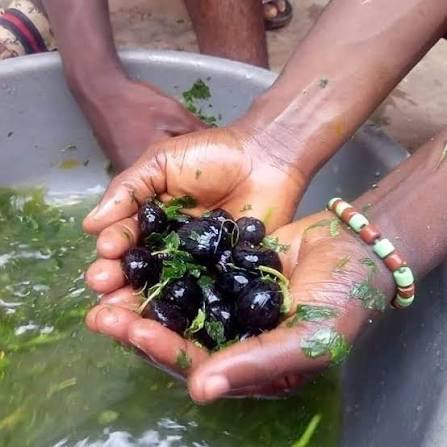
Ìkín Ifá are specially selected and consecrated palm nuts obtained from the African oil palm.
Unlike ordinary palm seeds, these nuts undergo traditional rites before they are used in religious practice. Once consecrated, they are treated with great reverence and are kept in sacred containers or shrines when not in use.
Within Ifá, they are regarded as symbols of divine wisdom rather than objects possessing power on their own.
The Connection to Ọ̀rúnmìlà
According to Yoruba sacred tradition, Ìkín Ifá are closely associated with Ọ̀rúnmìlà, the Òrìṣà of wisdom, knowledge, and destiny.
Traditional narratives describe Ọ̀rúnmìlà as the divine witness to creation and the guardian of the Ifá corpus. Because of this relationship, the consecrated palm nuts came to symbolise his presence during acts of divination.
Rather than being worshipped themselves, the Ìkín serve as sacred instruments that assist trained practitioners in seeking guidance through the teachings of Ifá.
Why Palm Nuts?
The choice of the oil palm is deeply significant.
For generations, the palm tree has sustained Yoruba communities by providing:
* Food. * Cooking oil. * Palm wine. * Fibre. * Building materials. * Medicinal resources.
Its importance in everyday life made it a fitting symbol of abundance, continuity, and life itself.
The use of its seeds within Ifá reflects the Yoruba belief that the natural world contains profound spiritual meaning.
How Ìkín Ifá Are Used
During traditional divination, a trained Babaláwo handles the Ìkín according to established methods that have been preserved through generations.
Through a series of carefully performed movements, patterns are produced that correspond to one of the 256 Odù Ifá.
The diviner then draws upon the relevant verses, stories, and teachings associated with that Odù to offer guidance.
The emphasis is not on predicting an inevitable future but on helping individuals understand their circumstances and make wise decisions.
Symbols of Knowledge and Memory
The Ìkín also represent the remarkable oral tradition of Ifá.
For centuries, Babaláwo have memorised thousands of verses, historical accounts, proverbs, and philosophical teachings connected to the Odù.
The palm nuts therefore symbolise:
* Wisdom. * Learning. * Memory. * Discipline. * Respect for tradition.
They remind practitioners that sacred knowledge is acquired through years of study, reflection, and responsible practice.
Consecration and Respect
Not every palm nut becomes an Ìkín Ifá.
Only those that have undergone proper consecration according to established religious traditions are used in divination.
Because of their sacred role, practitioners treat them with great care.
They are typically:
* Kept in clean and protected spaces. * Handled respectfully. * Used only for appropriate religious purposes. * Preserved according to the customs of each Ifá lineage.
This respect reflects the Yoruba understanding that sacred objects should be approached with reverence and responsibility.
Ìkín and the Transmission of Ifá
The transmission of Ìkín often accompanies the transmission of knowledge.
As apprentices advance in their training, they learn not only how to use the sacred palm nuts but also the ethical responsibilities that accompany them.
Training includes:
* Memorising Odù Ifá. * Learning ritual procedures. * Studying Yoruba philosophy. * Understanding moral teachings. * Developing good character.
The emphasis is always placed on wisdom before authority.
The Global Significance of Ìkín Ifá
Today, Ìkín Ifá are used not only in Nigeria but also in many parts of the world where Yoruba spiritual traditions have taken root.
Practitioners in countries such as Brazil, Cuba, Trinidad and Tobago, the United States, and the United Kingdom continue to preserve these traditions while maintaining connections with Yorubaland.
For many members of the African diaspora, the sacred palm nuts represent an enduring link to their ancestral heritage and the wisdom of Ifá.
Lessons from the Sacred Palm Nuts
Beyond their ritual use, the Ìkín Ifá teach enduring values.
They remind us that:
* Wisdom requires patience. * Knowledge should be preserved. * Good character is essential. * Nature deserves respect. * Learning is a lifelong journey. * Tradition and responsibility go hand in hand.
These lessons have helped sustain the Ifá tradition across generations.
Conclusion
The story of Ìkín Ifá is ultimately a story about the preservation of wisdom. Though they begin as the seeds of the oil palm, consecrated palm nuts become powerful symbols of learning, continuity, and humanity's search for divine guidance. Closely associated with Ọ̀rúnmìlà, they serve as sacred instruments through which the teachings of Ifá are explored and passed from one generation to the next.
For practitioners, the true significance of Ìkín Ifá does not lie in the physical palm nuts themselves but in the timeless knowledge they represent. They stand as enduring reminders that wisdom is cultivated through discipline, humility, and a lifelong commitment to truth, ensuring that the rich philosophical heritage of the Yoruba people continues to guide and inspire communities around the world.